California Fuchsia
Epilobium canum · Onagraceae
- Form
- Perennial
- Height
- 1–3 ft
- Sun
- Full Sun
- Water
- Very Low
- Blooms
- Jul, Aug, Sep, Oct, Nov
- Habitat
- Coastal Sage Scrub · Chaparral · Grassland
🌿 California native
Quick facts
- Habitat: Coastal Sage Scrub, Chaparral, dry slopes, rocky banks
- Form / size: Spreading perennial, 1–3 ft
- Sun: Full sun · Water (established): Very low
- Blooms: Late summer–fall · Pollinator value: High for hummingbirds
Description
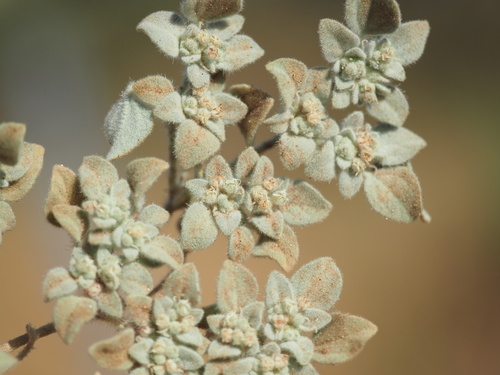
One of the great late-season natives: a low, spreading perennial with narrow gray-green leaves and brilliant red-orange tubular flowers just when much of the dry landscape has gone quiet. It can look sleepy or even dead in winter, then push fresh growth and bloom hard through late summer and fall.
Ecological role
California fuchsia blooms late in the season, from midsummer through fall, filling a critical window when much of the coastal sage scrub has dropped back into dormancy. The flowers are shaped and colored to attract hummingbirds: ruby red to orange-red tubular blooms held above narrow grey-green foliage. During late summer and fall when many native sage and other early bloomers have gone dry, California fuchsia becomes an important nectar source for hummingbirds and native bees at a time when few other plants are offering food. The plant also attracts other native pollinators to what is otherwise a quiet time in the garden and landscape.
Unlike many late bloomers that have to fight the season, California fuchsia seems to be built for fall. It actively grows and flowers while other plants are retreating, pulling resources back below ground to survive the dry months. The plant enters dormancy in winter, a rough-looking rest period, and then pushes fresh growth in response to winter rains, ready to flower hard through late summer and fall again. That timing, filling the food gap when few plants are flowering, is the real ecological contribution of this species.
Habitat & range
Dry slopes, rocky washes, chaparral openings, coastal sage scrub, and roadcuts across much of California and the Southwest.
In the garden
Excellent for dry habitat gardens, slopes, parkways, and hot edges. Give it sun, drainage, and room to spread. Cut old stems back hard in winter to keep the patch fresh.
Propagation
Easy from division, rooted runners, or cuttings. Seed can work, but vegetative pieces are faster for garden patches.
Where to see it near you
- iNaturalist — observed in Orange County
- Dry slopes, rocky washes, and native plant gardens throughout Southern California.
Problems
Can spread wider than expected when happy. Winter dormancy looks rough; cut it back rather than overwatering.