Turkey Mullein
Croton setiger · Euphorbiaceae
- Form
- Annual herb
- Height
- 0.5-2 ft
- Sun
- Full Sun
- Water
- Very Low
- Blooms
- Jun, Jul, Aug, Sep
- Pet toxicity
- Toxic
- Habitat
- Grassland · Coastal Sage Scrub · Chaparral · Disturbed
🌿 California native
Quick facts · Habitat: Dry grassland, openings in Coastal Sage Scrub, disturbed flats · Form / size: Low gray annual, 0.5-2 ft wide · Sun: Full sun · Water: Very low · Blooms: Summer-fall · Pollinator value: Moderate
Description
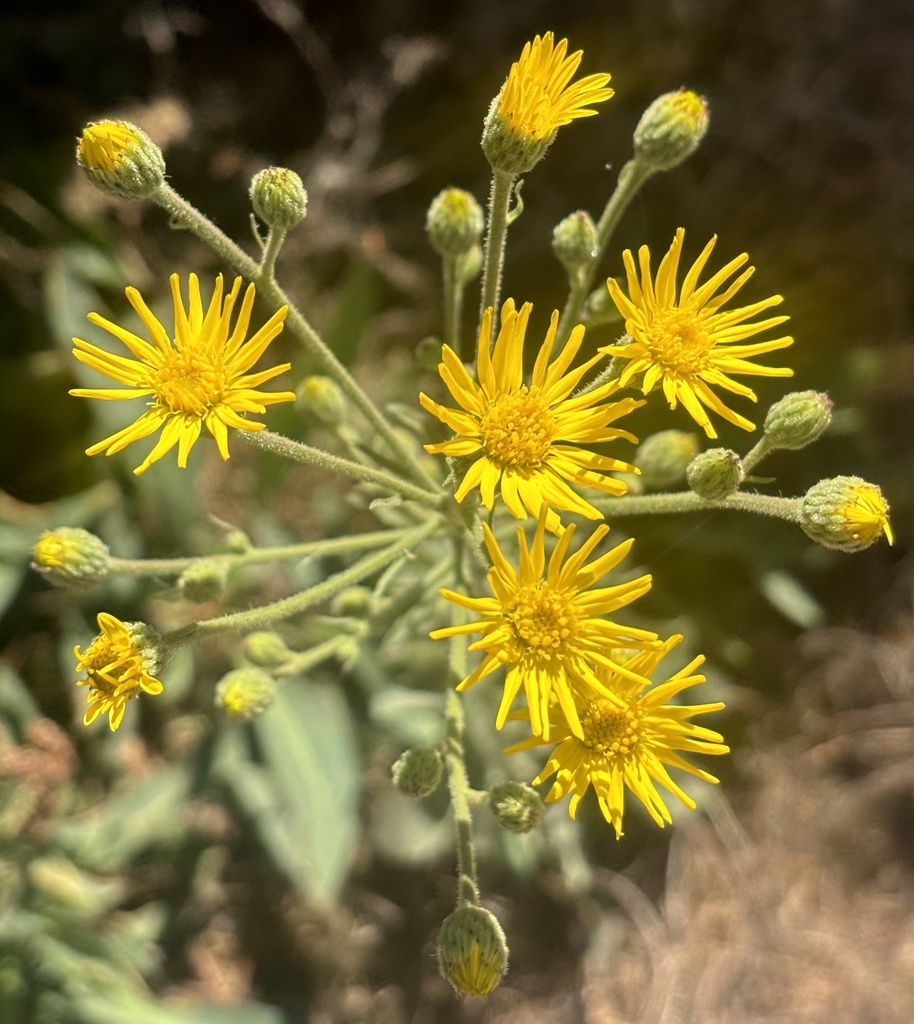
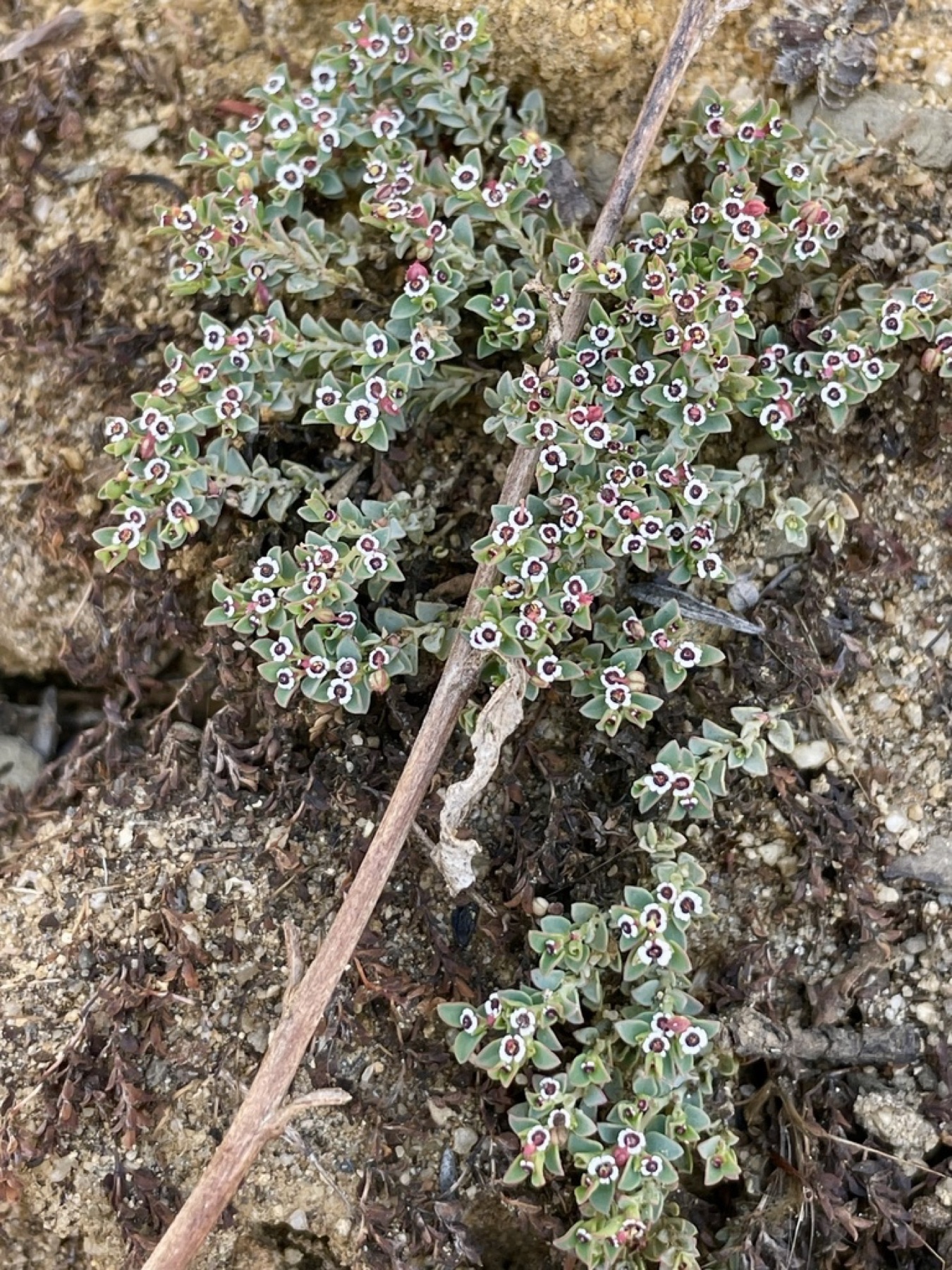
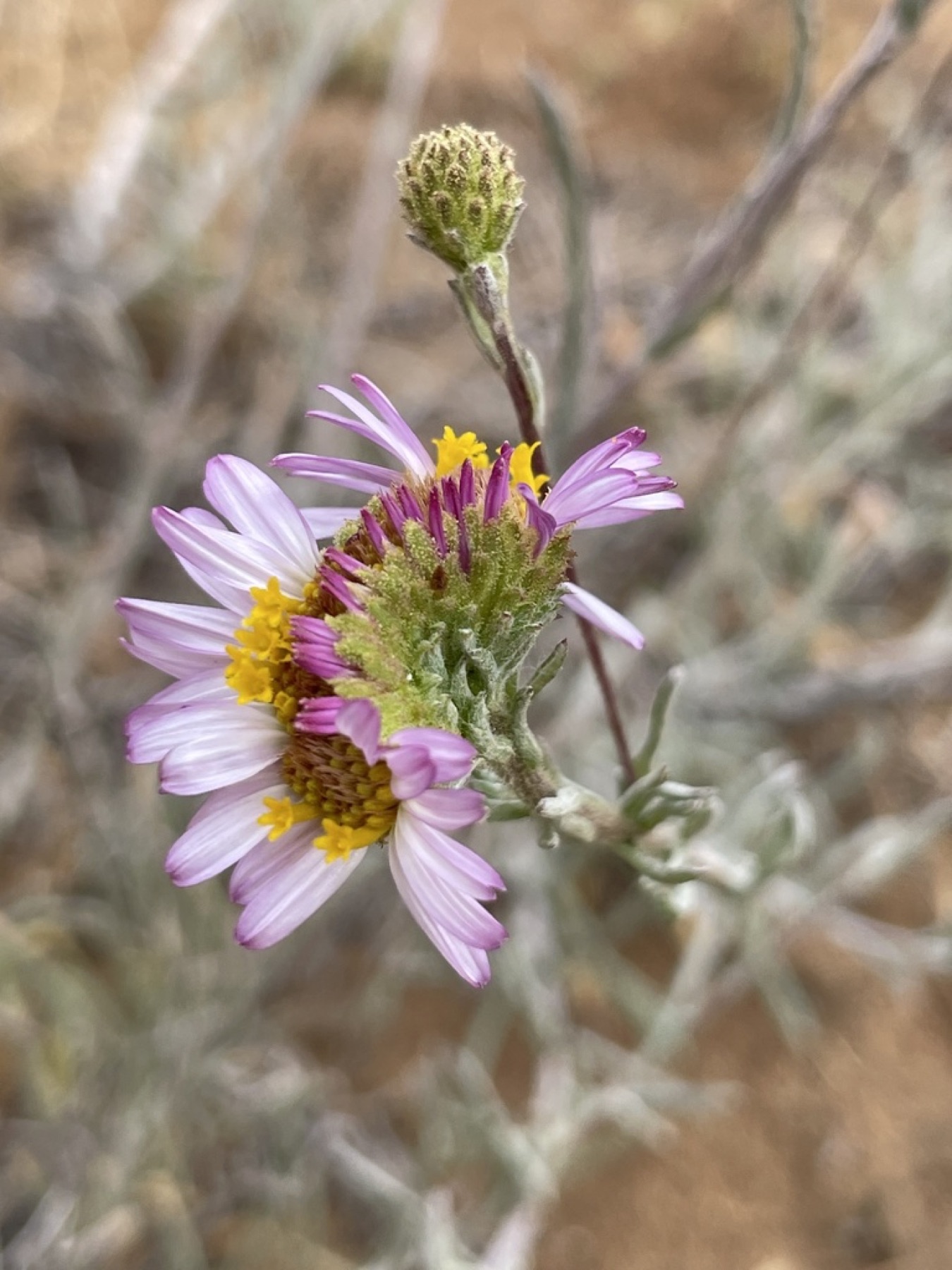
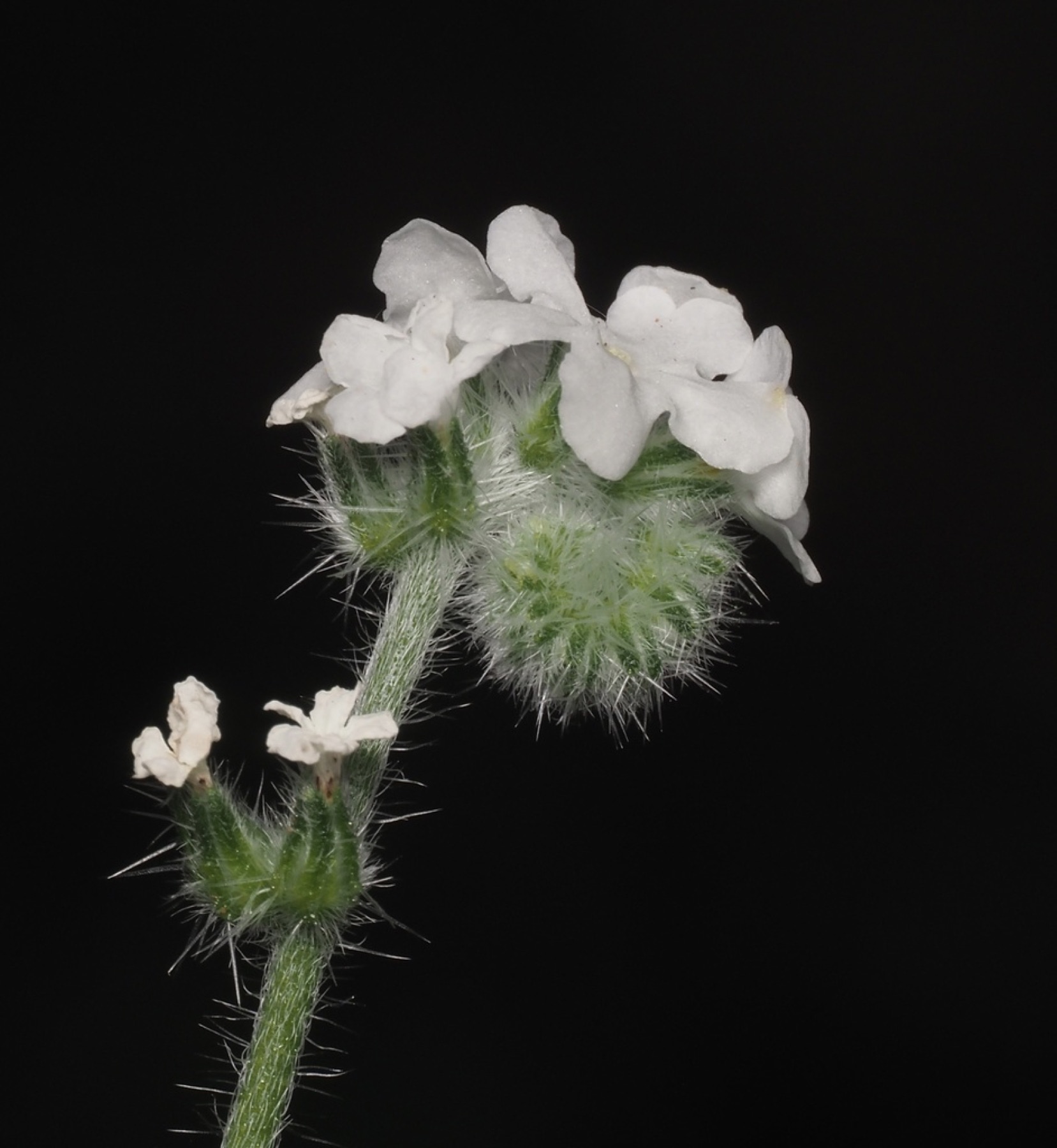
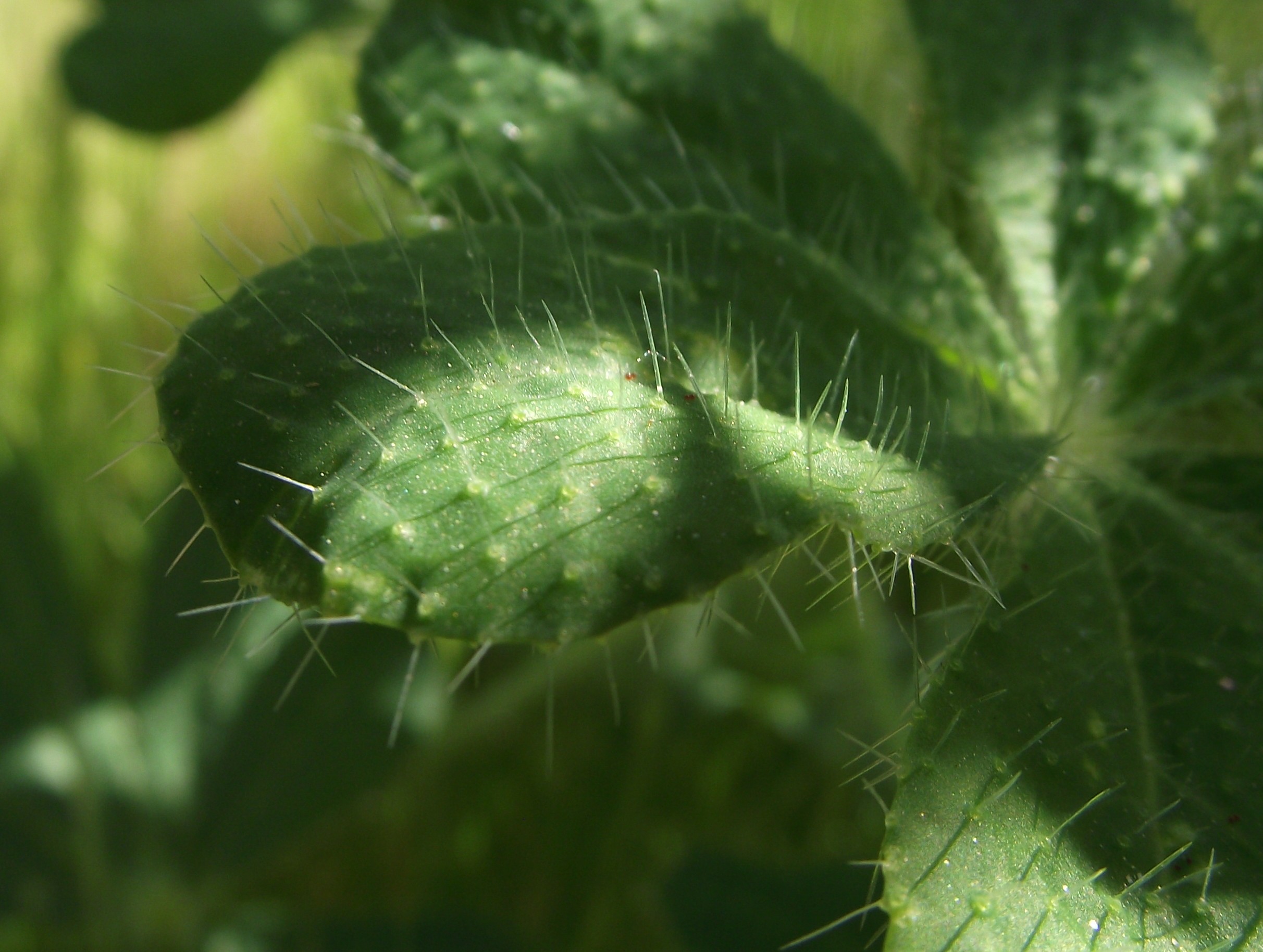
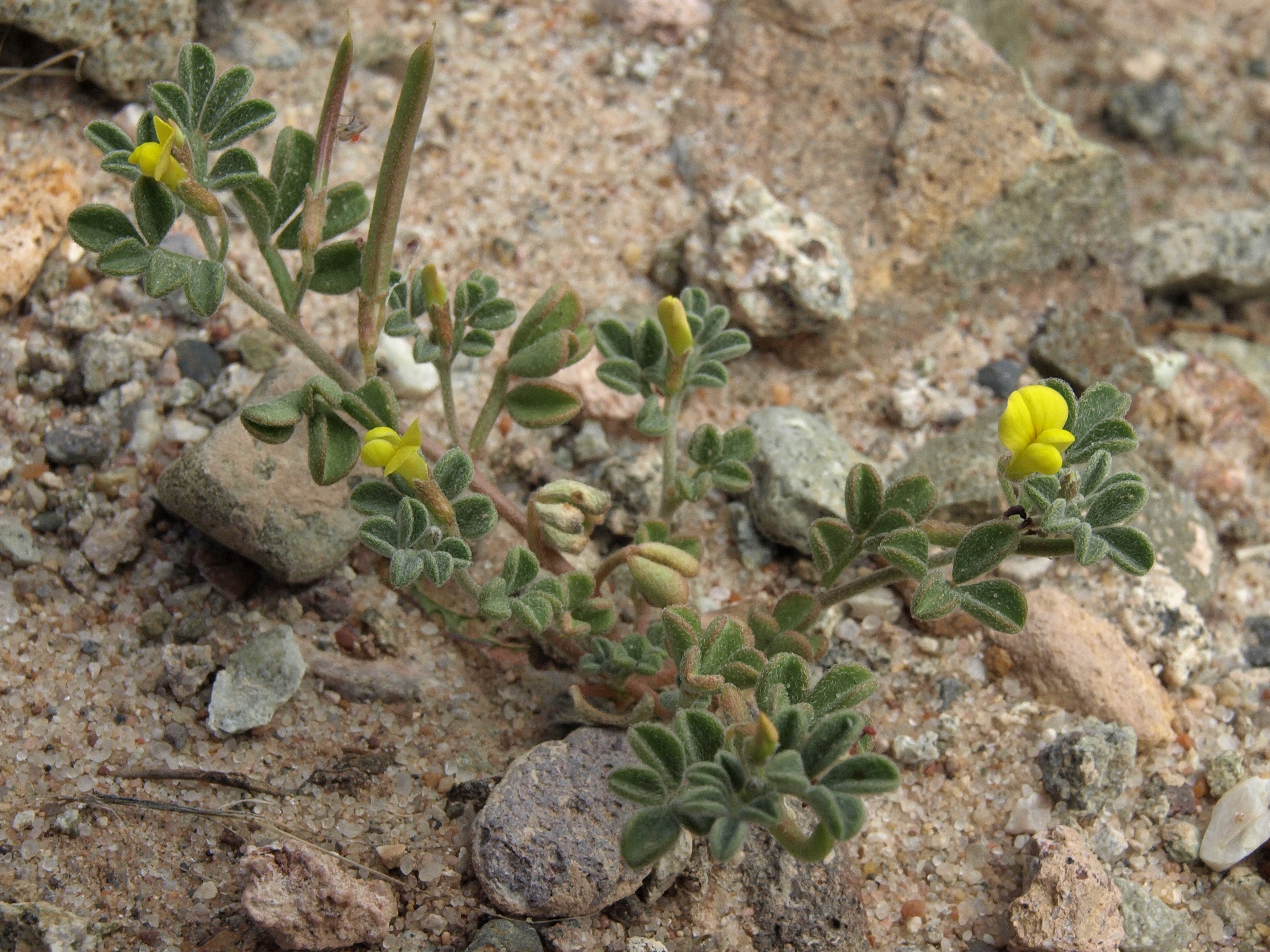
A low, gray-green annual with soft-looking, woolly leaves and small pale flowers. It often forms rounded patches on dry flats after other spring annuals have already gone brown.
Wildlife & pollinators
Seeds are eaten by doves and quail, which is why “doveweed” is one of its common names. Small insects visit the flowers.
Habitat & range
Dry grassland, open scrub, sandy or gravelly flats, roadsides, and disturbed open ground across Southern California.
In the garden
Usually more of a field-guide plant than a designed garden plant. It can be allowed in dry habitat areas where seasonal seed and wildlife value matter more than formal appearance.
Propagation
From seed in open, dry soil. It behaves as a summer annual and should be kept out of irrigated beds.
Where to see it near you
- iNaturalist — observed in Southern California
- Dry fields, old lots, scrub openings, and sandy flats.
Problems
Reported as toxic if eaten and historically used as fish poison; do not treat it as forage for pets or livestock.