Smallseed Sandmat
Euphorbia polycarpa · Euphorbiaceae
- Form
- Annual herb
- Height
- prostrate mat
- Sun
- Full Sun
- Water
- Very Low
- Blooms
- Mar, Apr, May, Jun, Jul, Aug, Sep
- Pet toxicity
- Mild
- Habitat
- Desert · Coastal Sage Scrub · Disturbed
🌿 California native
Quick facts
- Habitat: Desert, open scrub, disturbed dry ground
- Form / size: Tiny prostrate mat
- Sun: Full sun · Water: Very low
- Blooms: Spring-fall, tiny flowers · Pollinator value: Low
Description
A small, flat-growing native spurge that hugs the ground in dry open places. Leaves are tiny and opposite, and the flowers are minute; the plant is easy to overlook until you notice the mat pattern.
Wildlife & pollinators
Small insects may use the tiny flowers; its main ecological role is ground-layer diversity in harsh dry soils.
Habitat & range
Desert flats, dry washes, coastal sage scrub openings, trailsides, and disturbed sandy or gravelly soil.
In the garden
Mostly a recognition plant, not an ornamental. It can be part of a native dry-ground seed bank and fill tiny bare spaces.
Propagation
From seed. Usually appears on its own where open dry soil and seasonal moisture line up.
Where to see it near you
- iNaturalist — observed in Southern California
- Dry trailsides, desert flats, and open disturbed scrub.
Problems
Milky sap can irritate skin and eyes. Wash hands after handling.
Sources
Commonly confused with
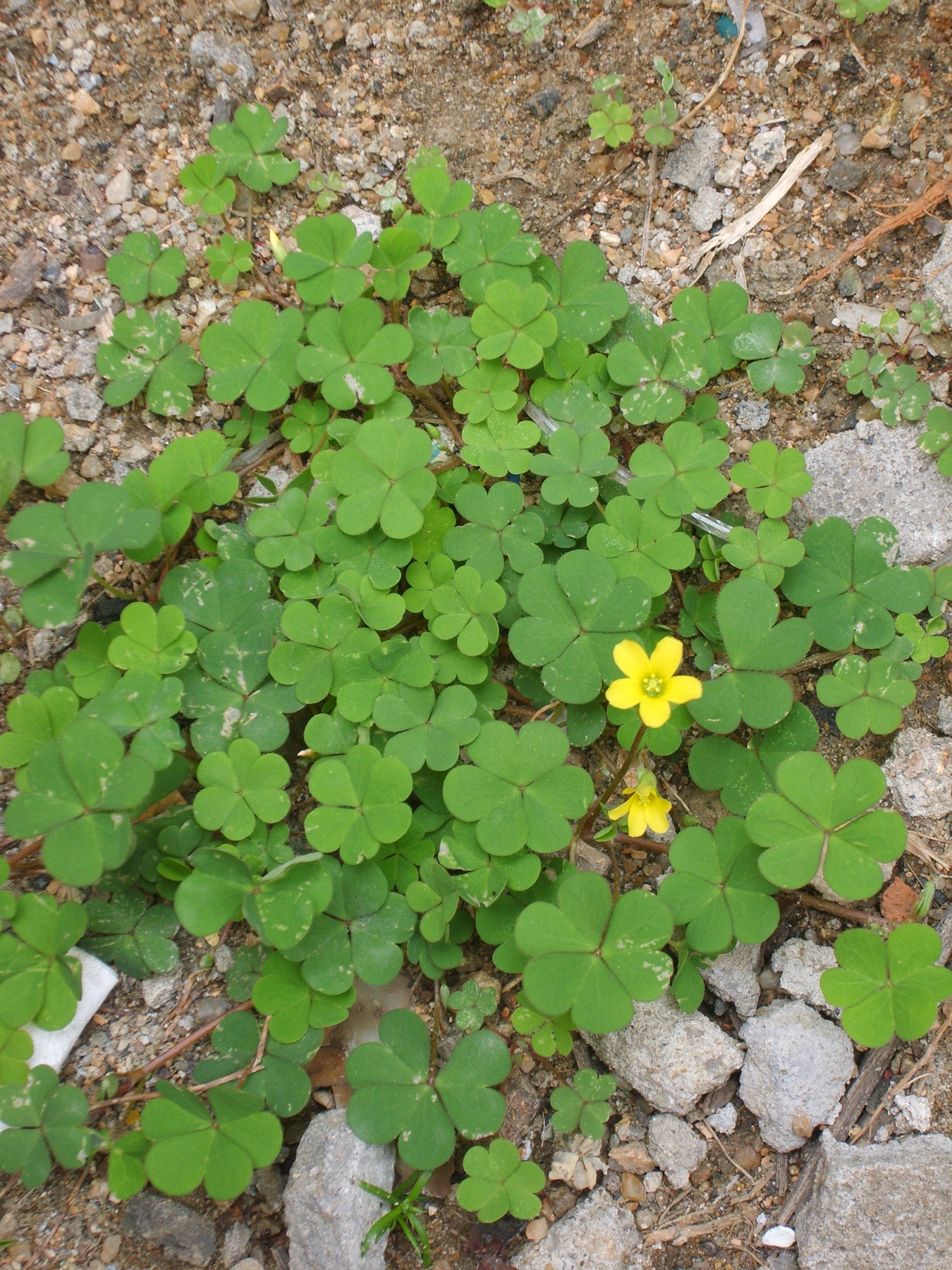 Creeping Woodsorrel 🌍 Oxalis corniculata has clover-like leaves and yellow flowers; sandmat has tiny opposite leaves and milky sap.