Red Brome
Bromus rubens · Poaceae
- Height
- 0.5-2 ft
- Habitat
- Desert · Coastal Sage Scrub · Grassland · Disturbed
🚫 Invasive / non-native weed
At a glance
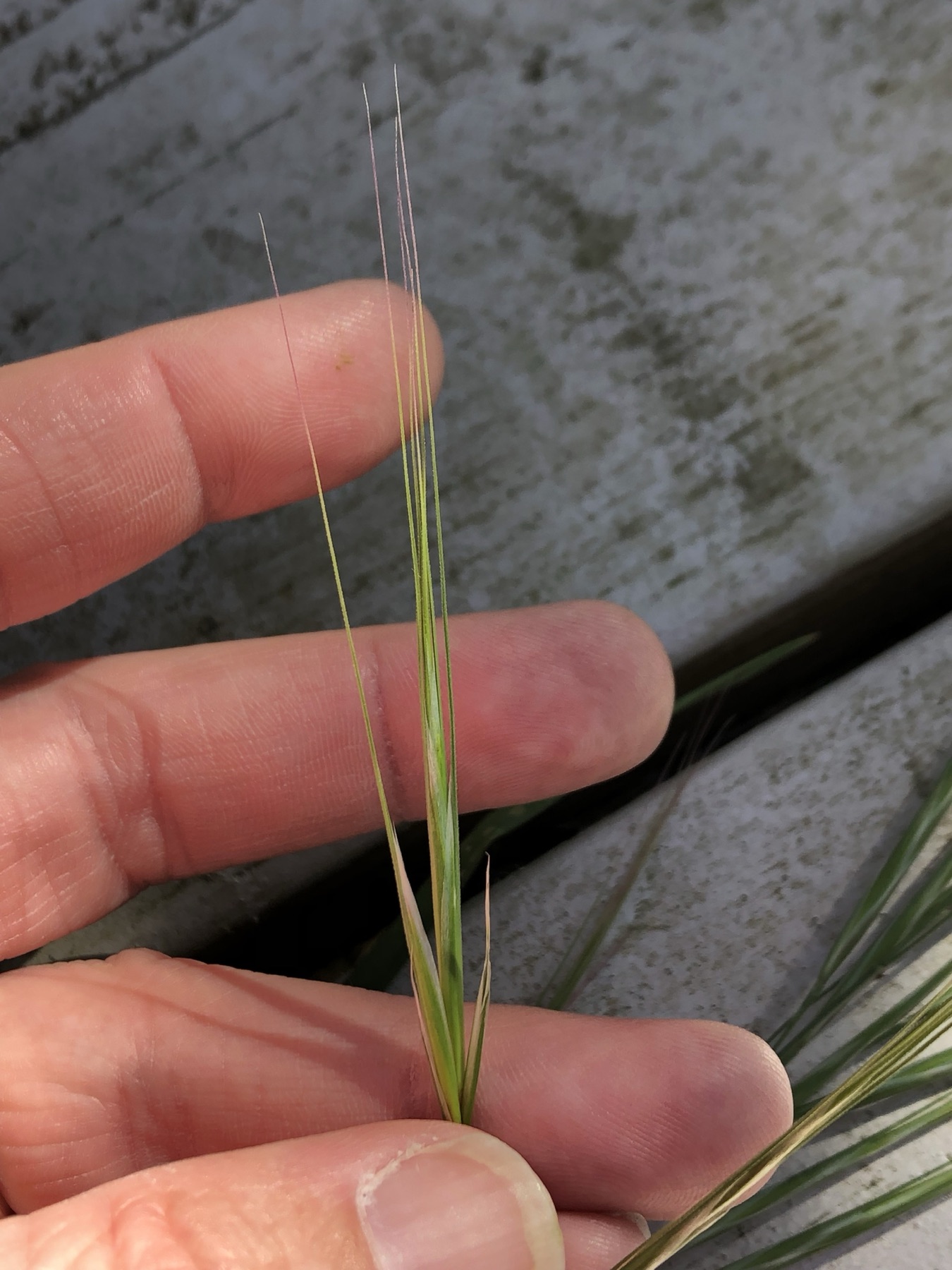
- Tell-tale sign: Small annual grass with reddish, bristly seed heads
- Where: Disturbed ground, desert edges, coastal sage scrub, grassland
- Why it matters: Fine fuel that helps convert native habitat to annual grassland
How to identify
A short to medium annual brome with compact, bristly seed heads that often blush red-purple as they mature. By late spring it cures into dry straw and seed awns.
Why it’s a problem
Red brome fills gaps between native shrubs and becomes continuous fine fuel, especially in desert and coastal scrub systems that did not evolve with frequent grassfire.
How it spreads
By seed. Seeds move in soil, on tires, on boots, and in animal fur.
How to remove it
Hand-pull small patches before seed ripens. For larger areas, control must be timed before seed set and paired with native cover so bare soil does not simply grow more brome.
Plant this instead
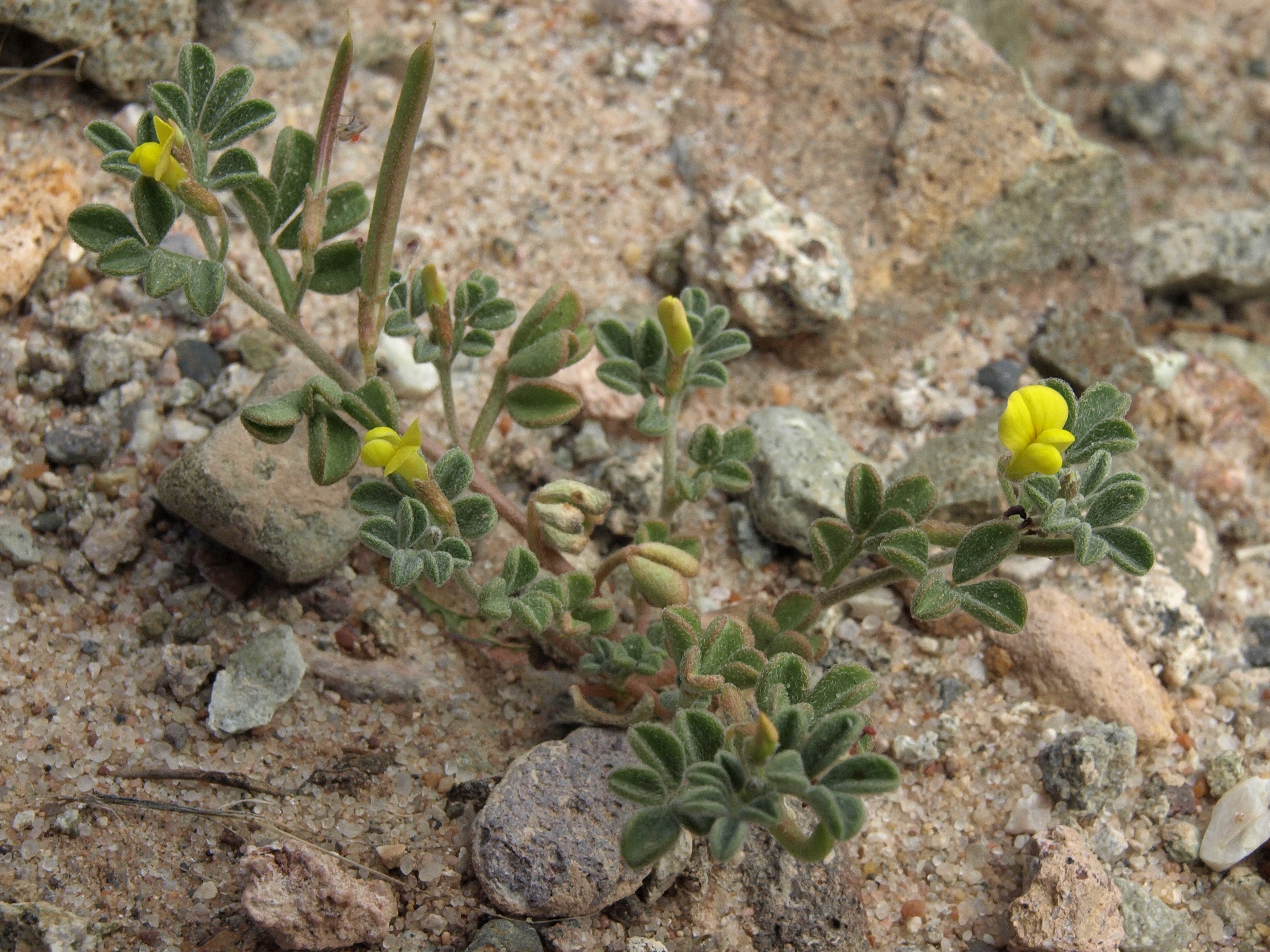
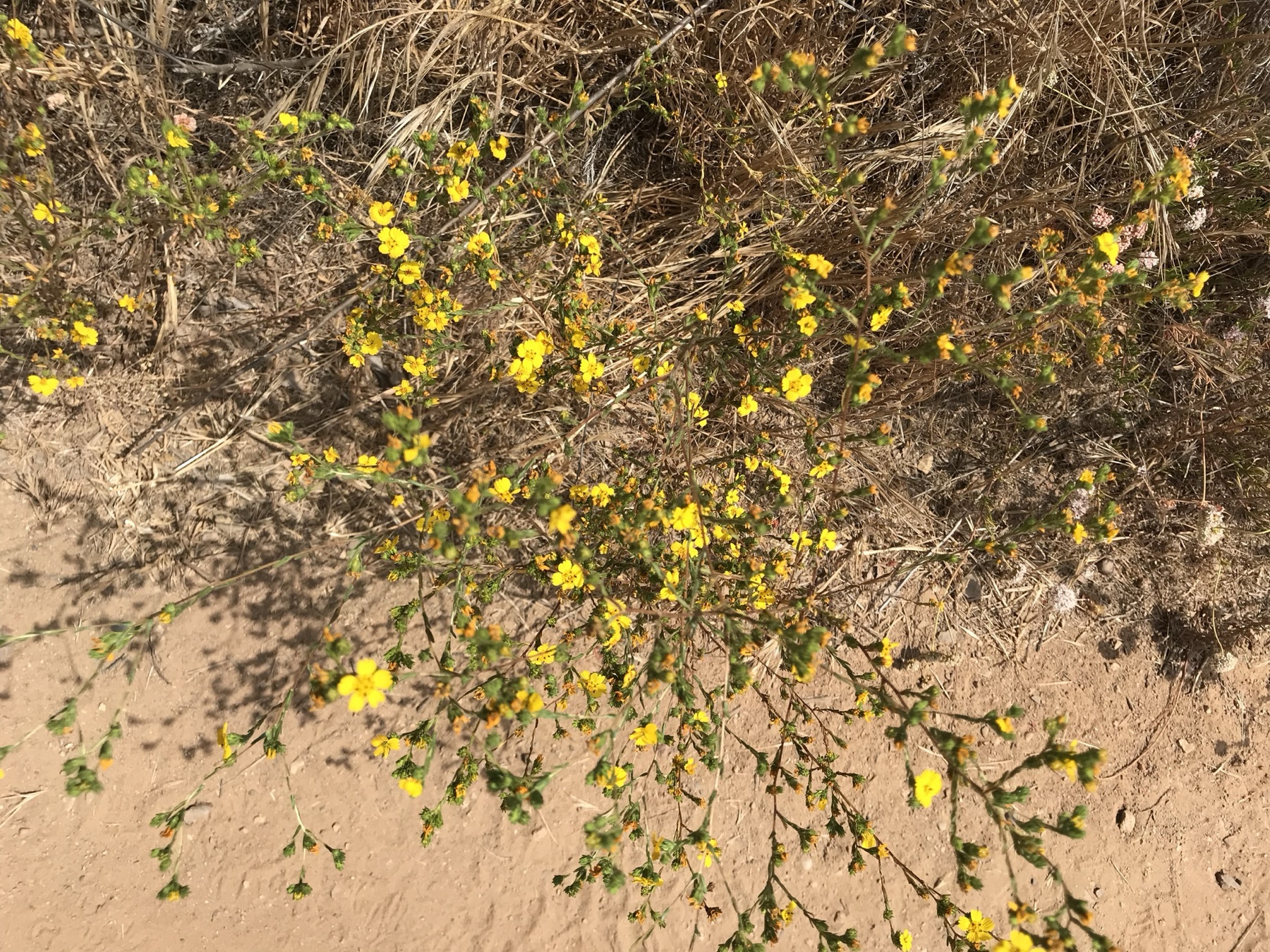
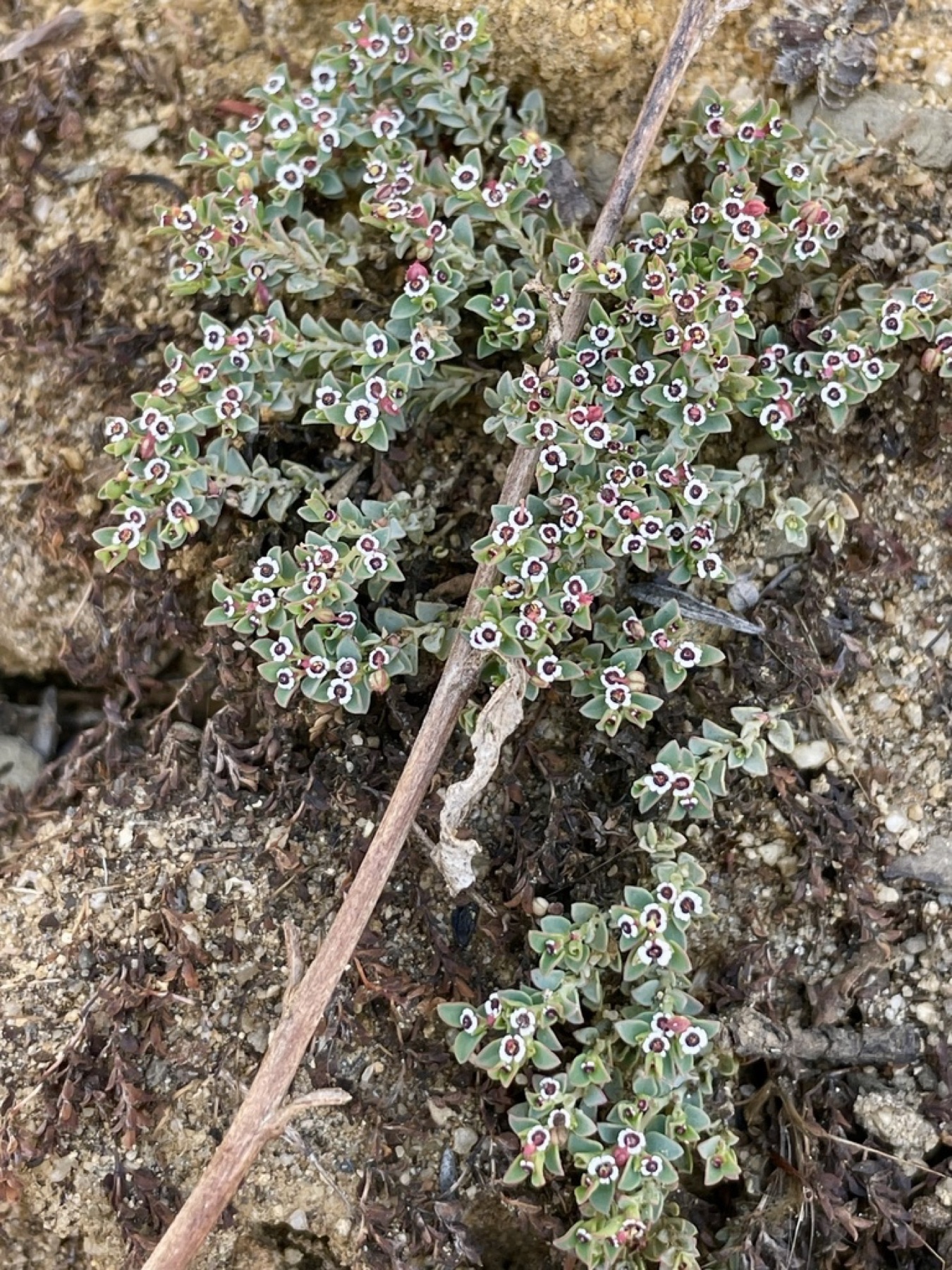
Use native grasses and groundcovers suited to the site: Purple Needlegrass, Deergrass, Creeping Wild Rye, Yarrow, and California Buckwheat.