Ripgut Brome
Bromus diandrus · Poaceae
- Height
- 2-4 ft
- Habitat
- Grassland · Oak Woodland · Coastal Sage Scrub · Disturbed
🚫 Invasive / non-native weed
At a glance
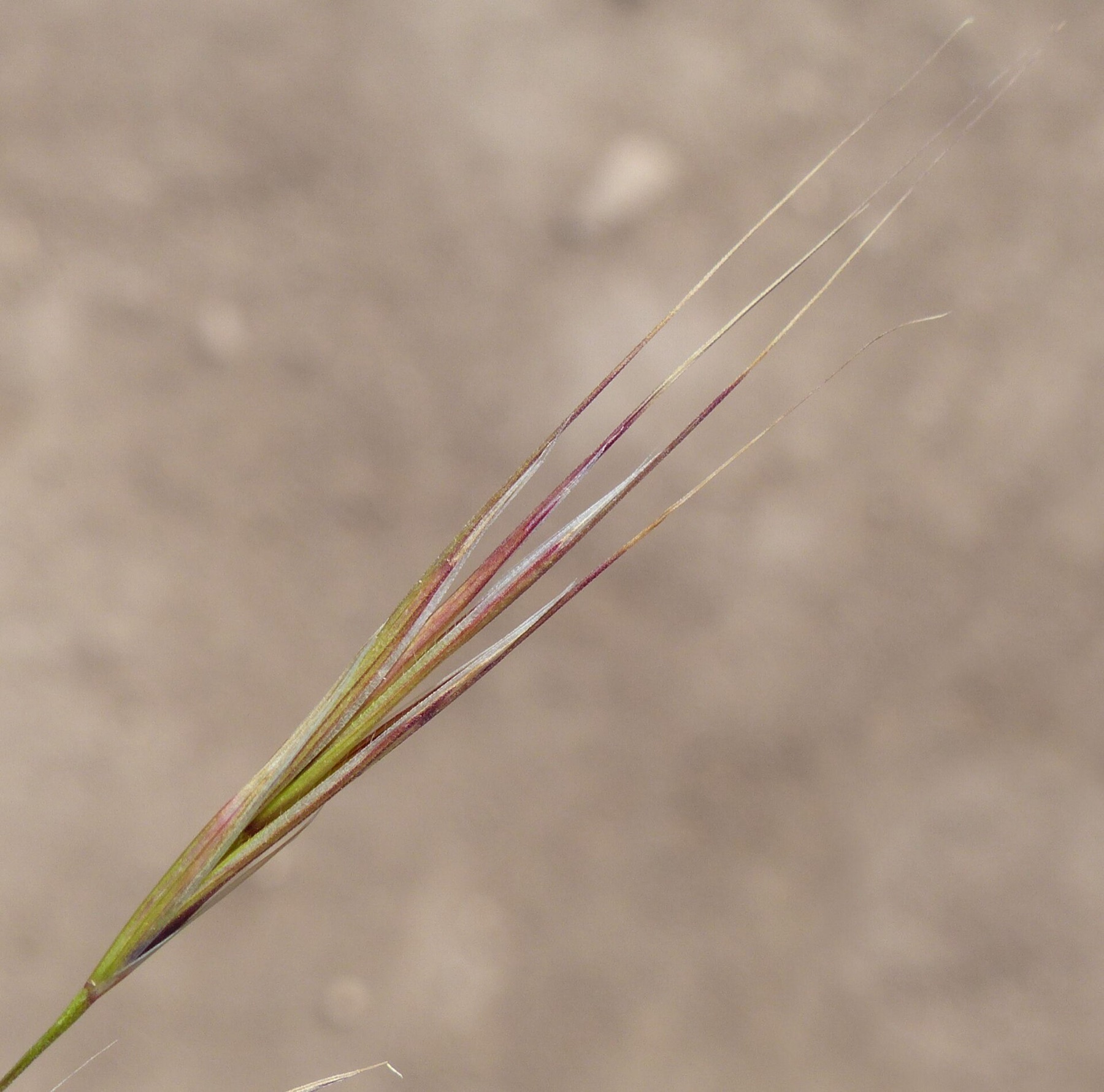
- Tell-tale sign: Tall annual grass with long, sharp, barbed awns
- Hazard: Dry seed heads can lodge in socks, fur, ears, and eyes
- Why it matters: Displaces native grassland and adds flashy fuel
How to identify
A tall annual brome with nodding seed heads and very long awns. When dry, the awns are sharp and barbed — the “ripgut” name is not subtle.
Why it’s a problem
Forms dense annual stands in grassland, oak woodland, roadsides, and disturbed scrub. It competes with native wildflowers and bunchgrasses, then dries into fine fuel.
How it spreads
By seed, especially on clothing, animals, equipment, and disturbed soil.
How to remove it
Pull or cut before seed hardens. Once the seed heads are mature, bag them rather than scattering awns. Restoration needs repeated seed-bank reduction and native competition.
Plant this instead
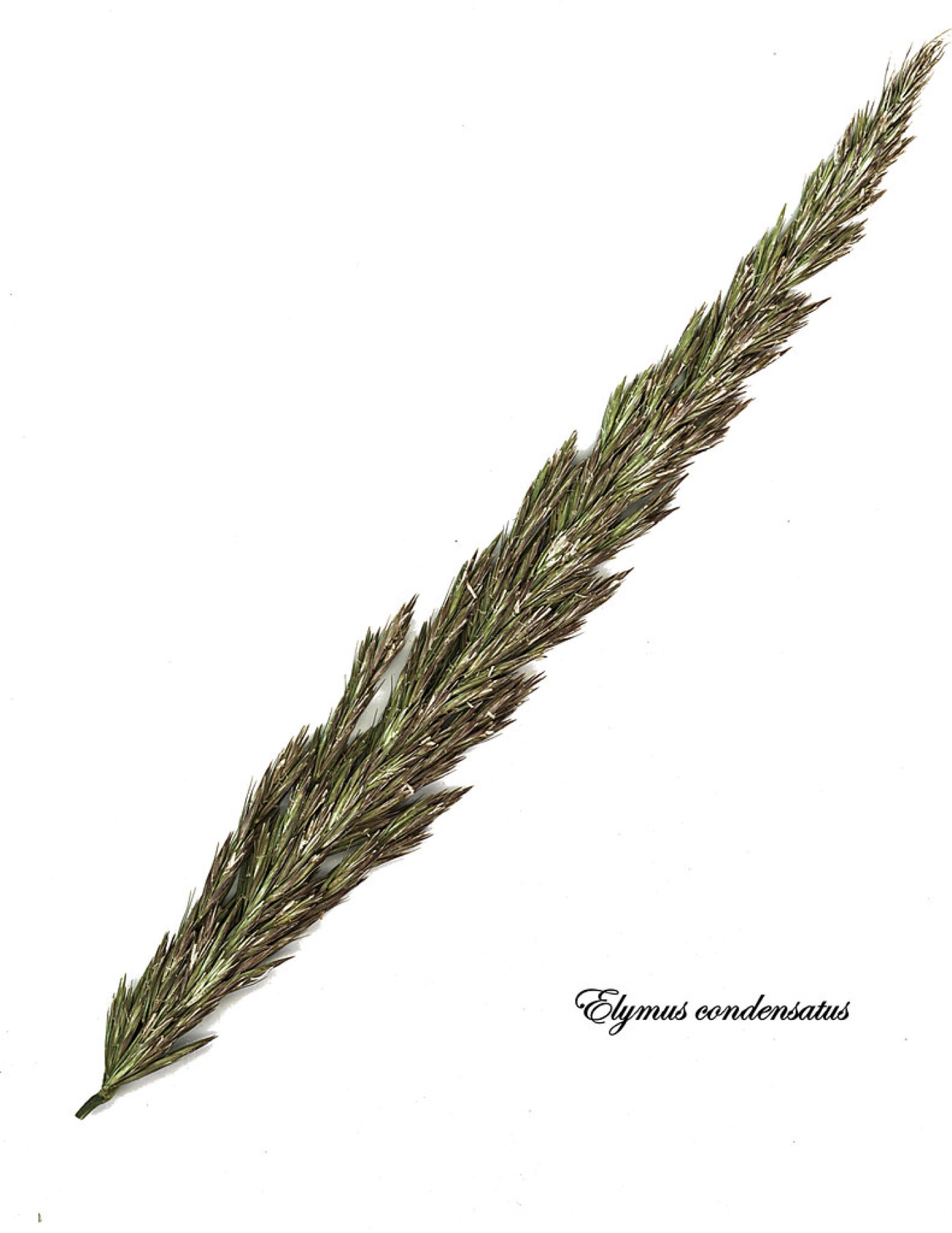
Purple Needlegrass, Deergrass, Creeping Wild Rye, and native wildflowers like California Poppy and Yarrow.