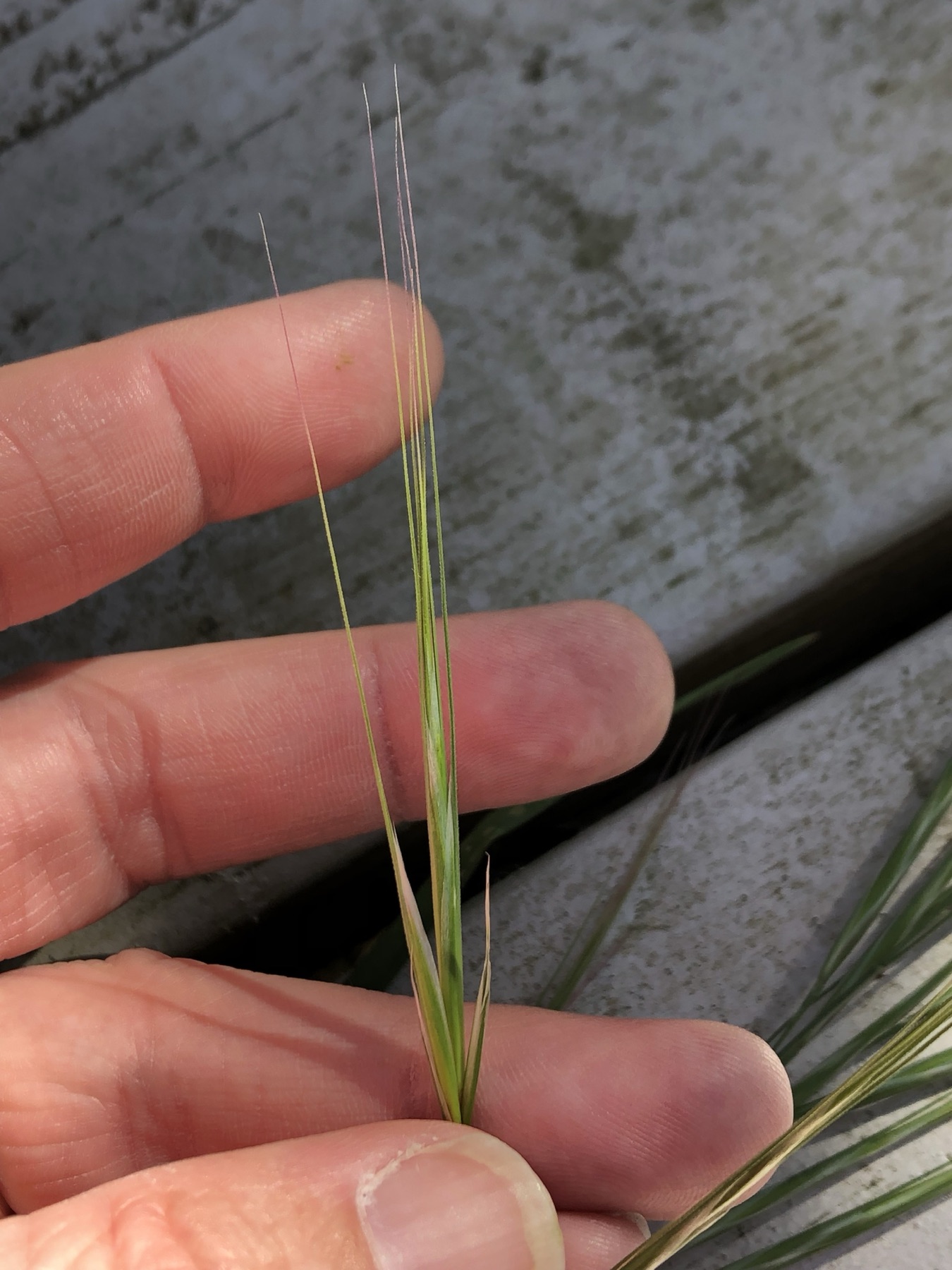
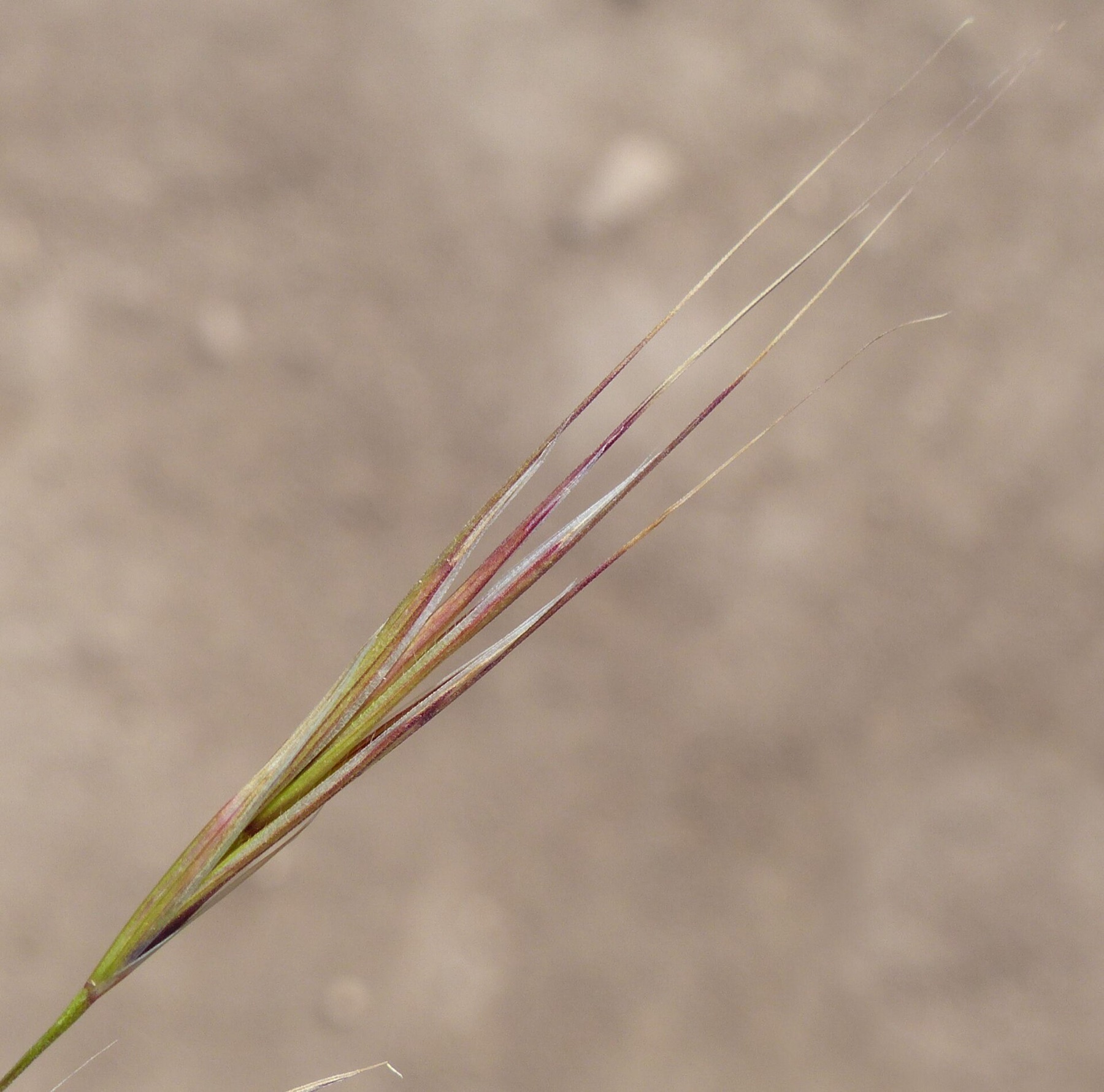
Wild Mustard
Brassica nigra & Hirschfeldia incana · Brassicaceae
- Height
- 2-6 ft
- Habitat
- Grassland · Disturbed · Coastal Sage Scrub
🚫 Invasive / non-native weed
At a glance
- Tell-tale sign: Hillsides turned bright yellow in spring with tall, branching mustard flowers
- Form: Annual/biennial, 2–6+ ft · four-petaled yellow flowers, peppery smell
- Why it matters: Among the most landscape-transforming weeds in SoCal
How to identify
The yellow that washes over Southern California hills each spring is mostly wild mustard — usually black mustard (Brassica nigra) and shortpod mustard (Hirschfeldia incana), which look and behave alike. Tall, branching stems carry classic four-petaled yellow mustard flowers and slender seed pods; lower leaves are large and lobed, the whole plant peppery-smelling. They’re nearly indistinguishable to non-botanists and are managed the same way.
Why it’s a problem
Wild mustards germinate in dense stands that crowd out native wildflowers and seedlings, then die back to a mass of dry stalks that cures into fine fuel and raises fire risk and intensity — a vicious cycle that favors more mustard after each burn.
How it spreads
By abundant seed (each plant makes thousands), favored by soil disturbance and past fire.
How to remove it
- Pull or hoe before it sets seed (the whole game is stopping seed). Easiest after rain when soil is soft; get the root crown.
- On larger areas, time mowing/string-trimming to just before flowering, and revegetate with natives so bare ground isn’t reclaimed.
- Bag seeding plants; expect to repeat for several years (seed bank).
Plant this instead
Restore native spring color and competition: California Poppy, California Buckwheat, Purple Needlegrass, and other natives that hold ground against reinvasion.
Where it’s spread near you
Sources
Commonly confused with
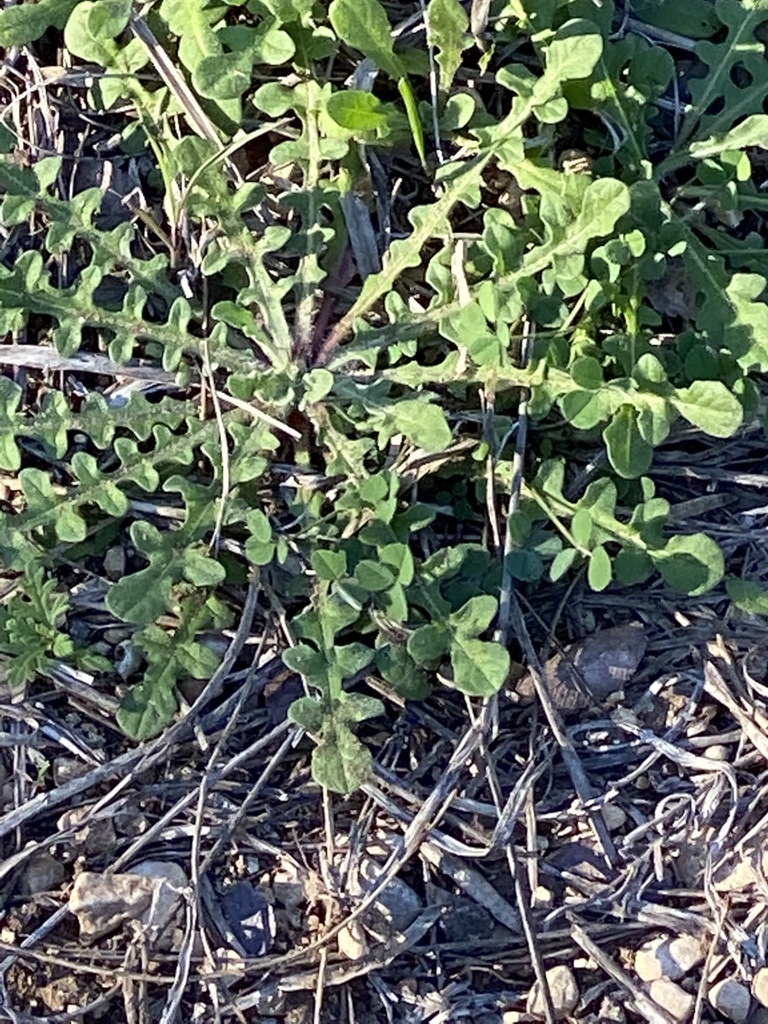 Tocalote 🚫 Centaurea melitensis mustards have 4-petaled flowers and pods, not spiny thistle heads.