Giant Wild Rye
Elymus condensatus · Poaceae
- Form
- Grass
- Height
- 4–8 ft
- Sun
- Full Sun
- Water
- Low
- Blooms
- May, Jun, Jul
- Habitat
- Chaparral · Coastal Sage Scrub · Oak Woodland · Riparian · Grassland
🌿 California native
Quick facts
- Habitat: Slopes, washes, woodland edges, grassland, scrub
- Form / size: Large perennial bunchgrass, 4–8 ft
- Sun: Full sun to part shade · Water (established): Low
- Blooms: Late spring–summer · Pollinator value: Low
Description
A big, architectural native grass with broad blue-green leaves and tall seed stalks. It makes bold clumps rather than a delicate meadow texture, and can read almost shrub-like in a dry landscape.
Wildlife & pollinators
Wind-pollinated, but the plant offers seed, cover, and structure for birds, small mammals, and insects.
Habitat & range
Dry slopes, canyon bottoms, washes, oak woodland edges, and coastal sage scrub across Southern California and Baja California.
In the garden
Excellent for slope stabilization, habitat structure, and large dry gardens. Give it space; mature clumps are substantial.
Propagation
Grow from seed or division. Young plants establish best with winter planting and occasional first-year water.
Where to see it near you
- iNaturalist — observed in Orange County
- Slopes, canyon edges, washes, and native restoration plantings.
Problems
Can look coarse in small spaces. Cut old seed stalks if needed, but do not scalp the crown.
Sources
Commonly confused with
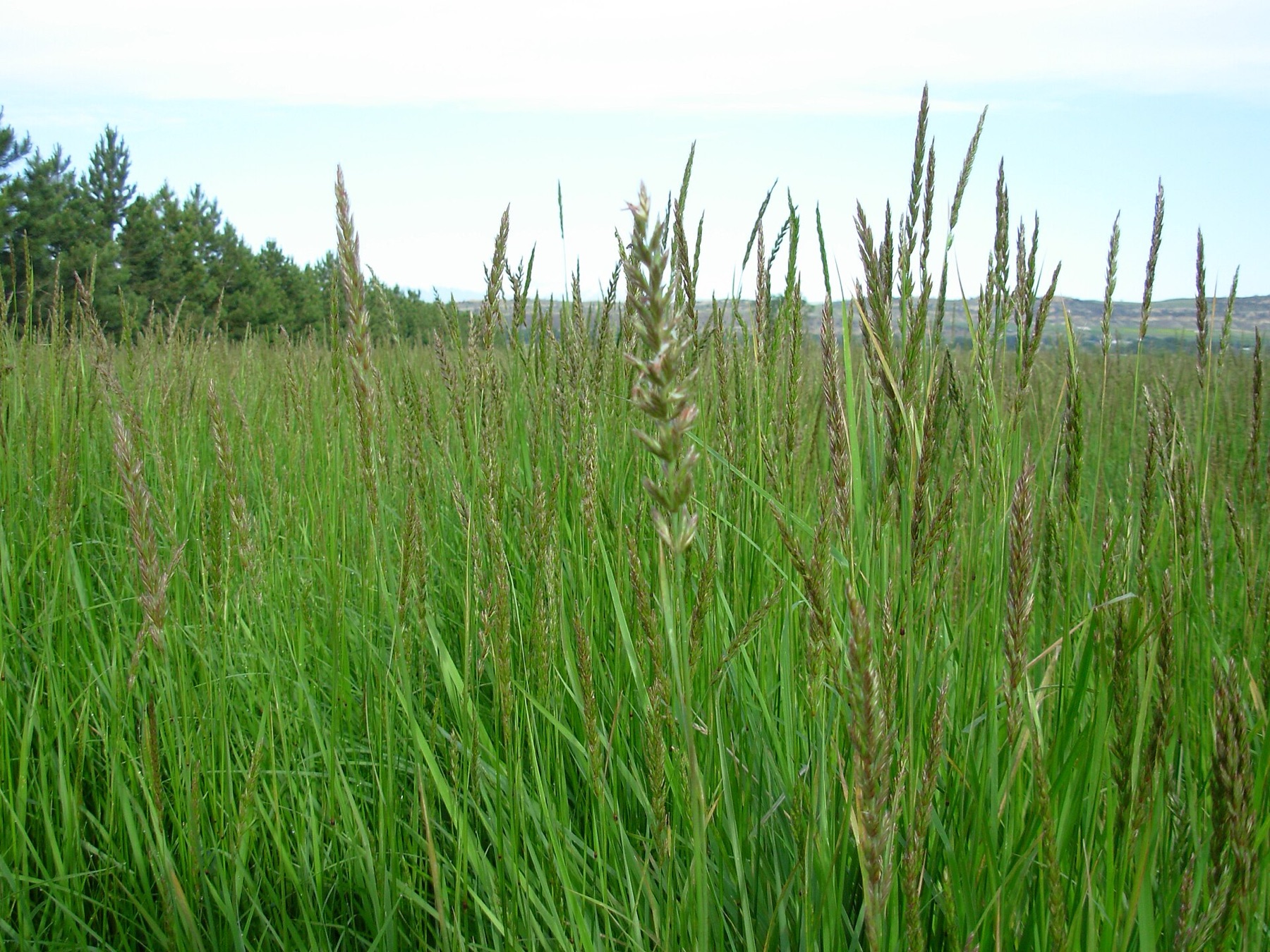 Creeping Wild Rye 🌿 Elymus triticoides lower, spreading meadow grass; giant wild rye is taller and clumping.