California Brickellbush
Brickellia californica · Asteraceae
- Form
- Shrub
- Height
- 3–6 ft
- Sun
- Part Shade
- Water
- Low
- Blooms
- Aug, Sep, Oct, Nov
- Habitat
- Chaparral · Coastal Sage Scrub · Oak Woodland · Riparian
🌿 California native
Quick facts
- Habitat: Dry washes, canyon walls, chaparral edges, oak woodland margins
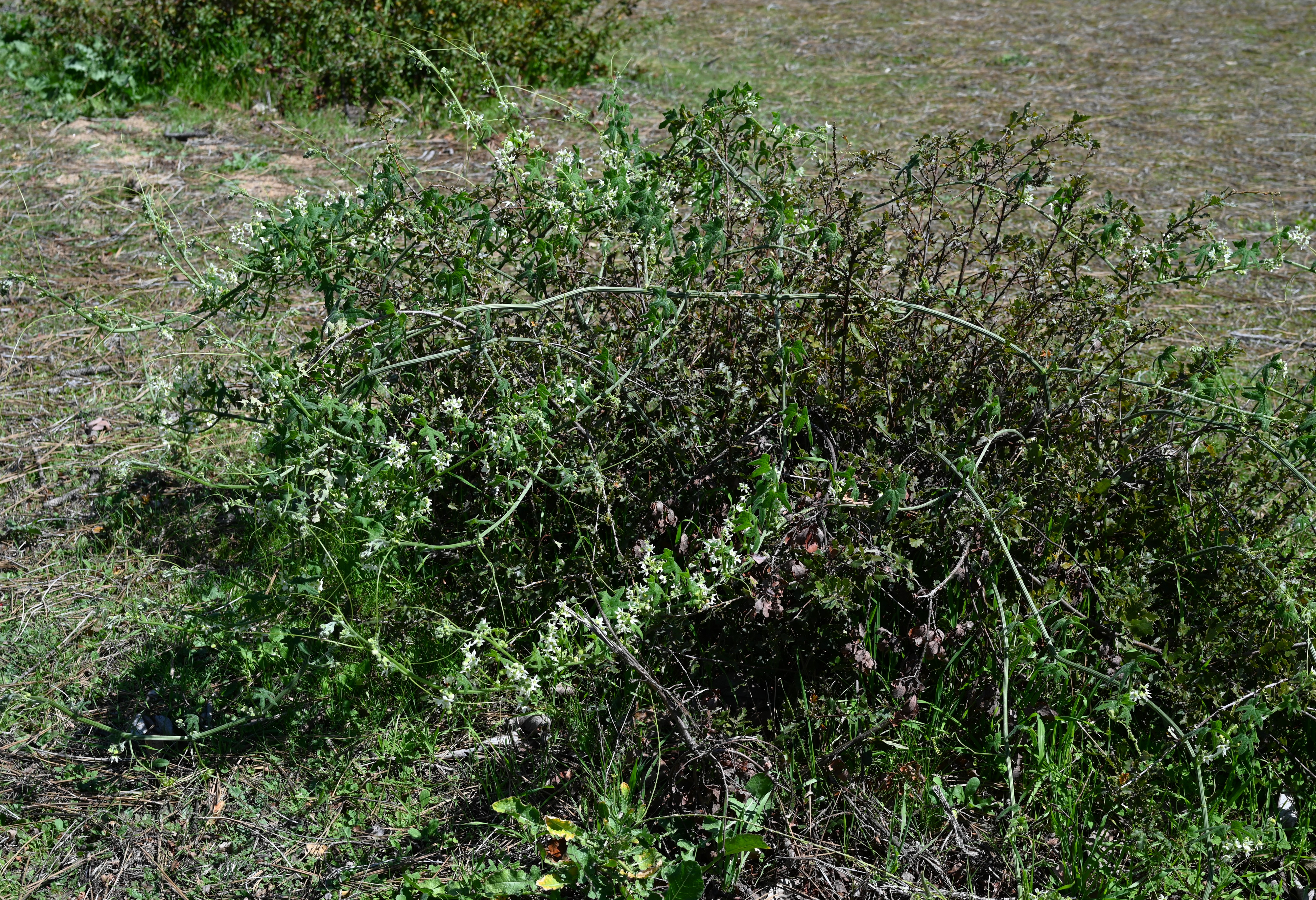
- Form / size: Open shrub, 3–6 ft
- Sun: Part shade to sun · Water (established): Low
- Blooms: Late summer–fall · Pollinator value: Moderate
Description
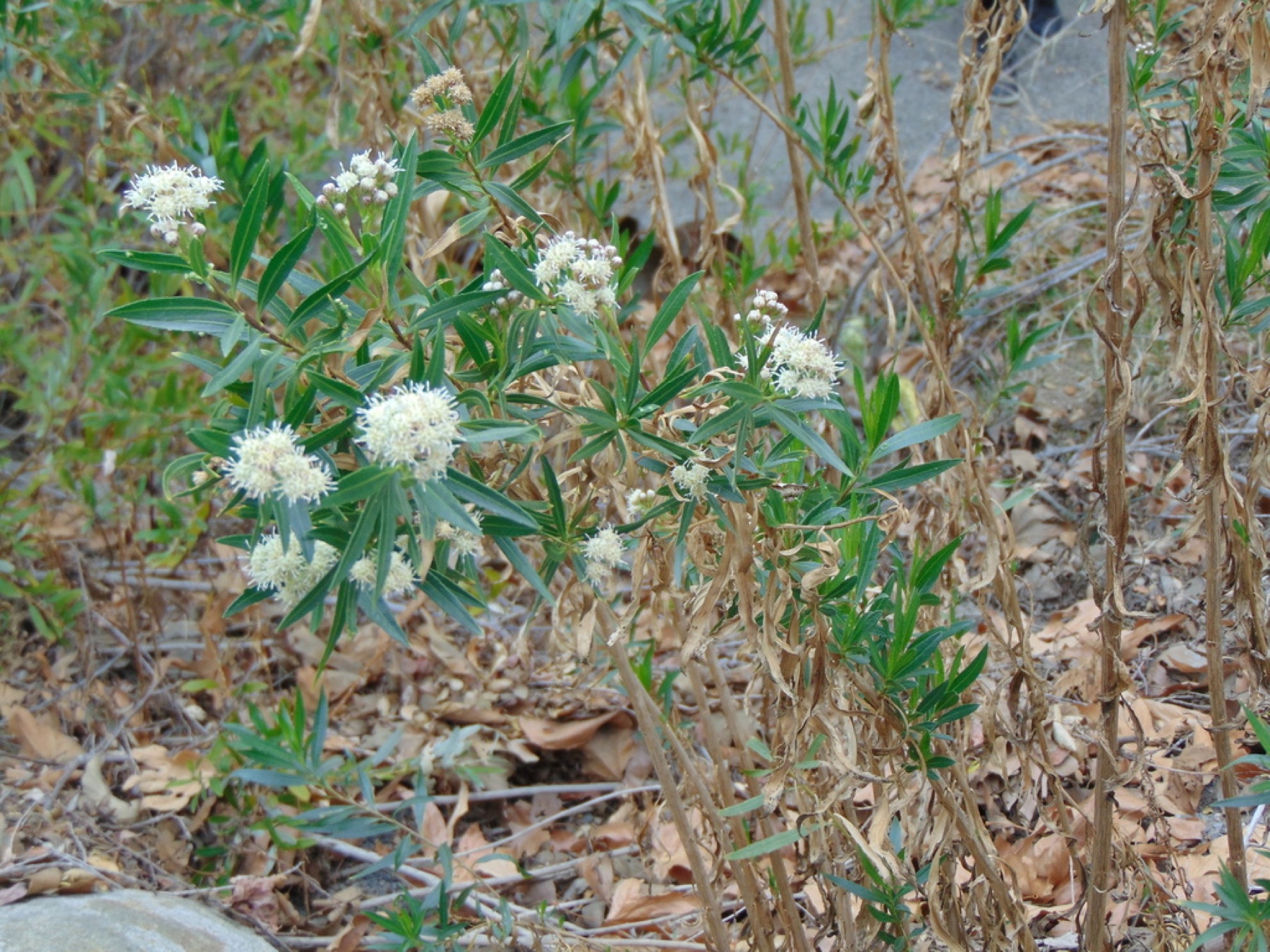
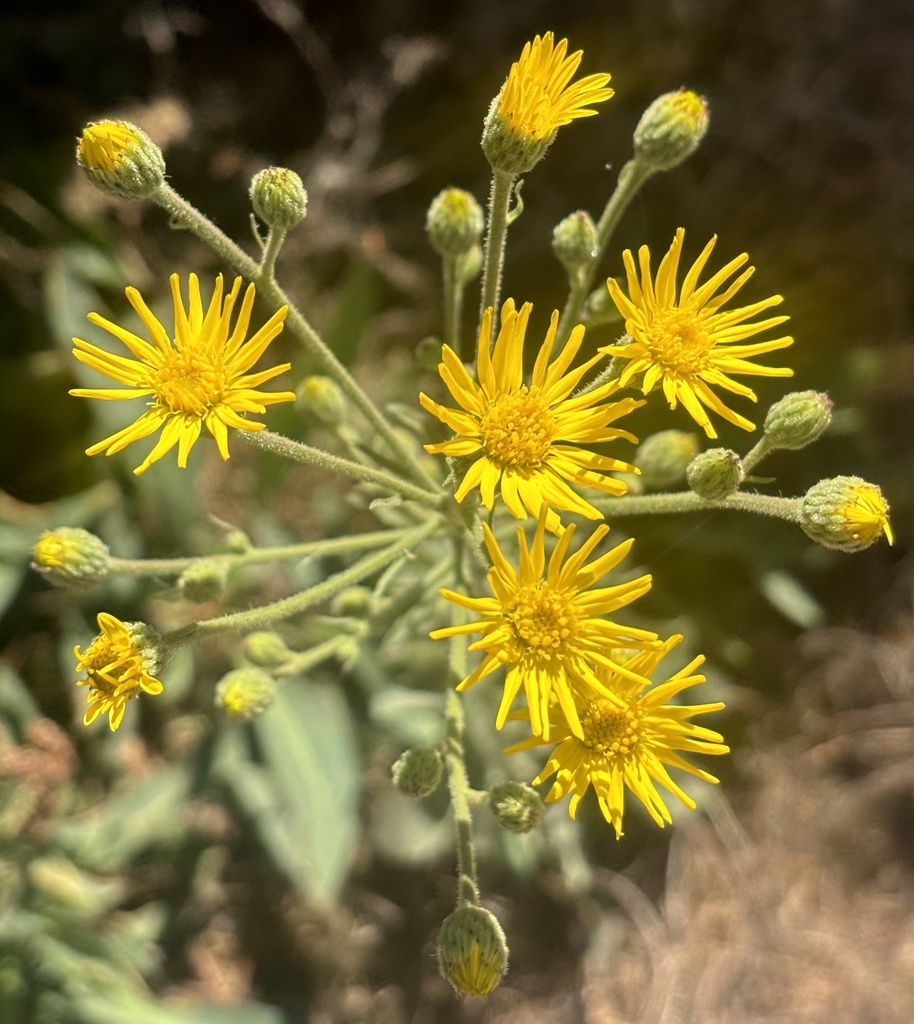
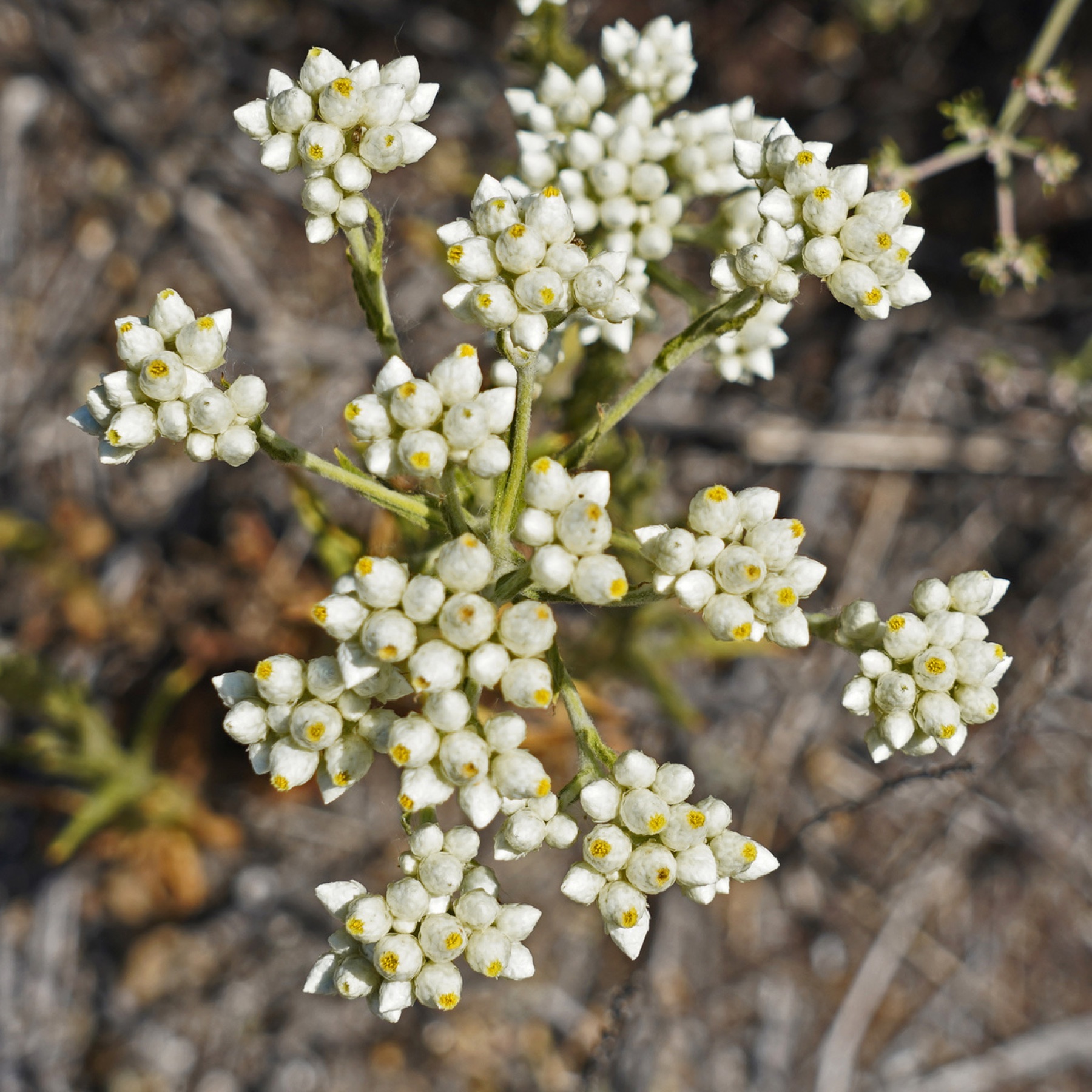
An open, somewhat airy shrub with triangular to heart-shaped leaves and small dangling cream-yellow flower heads. It is not flashy in a nursery-bench way, but it has a quiet canyon-wall elegance and a strong late-season role.
Wildlife & pollinators
Late flowers support moths, small bees, butterflies, and other insects when many spring bloomers are long done.
Habitat & range
Dry washes, rocky canyon slopes, chaparral and oak woodland edges, and shaded scrub margins across California and the Southwest.
In the garden
Useful for dry shade, canyon-style gardens, and late-season habitat plantings. It looks best with room and companions rather than as a specimen shrub.
Propagation
From seed or cuttings. Seed is best sown in fall.
Where to see it near you
- iNaturalist — observed in Orange County
- Dry washes, canyon walls, and shaded scrub edges.
Problems
Can look sparse. Treat it as a habitat shrub, not a formal hedge.