Mule Fat
Baccharis salicifolia · Asteraceae
- Form
- Shrub
- Height
- 6-12 ft
- Sun
- Full Sun
- Water
- Moderate
- Blooms
- Jul, Aug, Sep, Oct, Nov
- Habitat
- Riparian
🌿 California native
Quick facts · Habitat: Riparian - washes, creekbanks, seeps, disturbed wet ground · Form / size: Upright shrub, 6-12 ft · Sun: Full sun · Water: Moderate to high · Blooms: Summer-fall · Pollinator value: High
Description
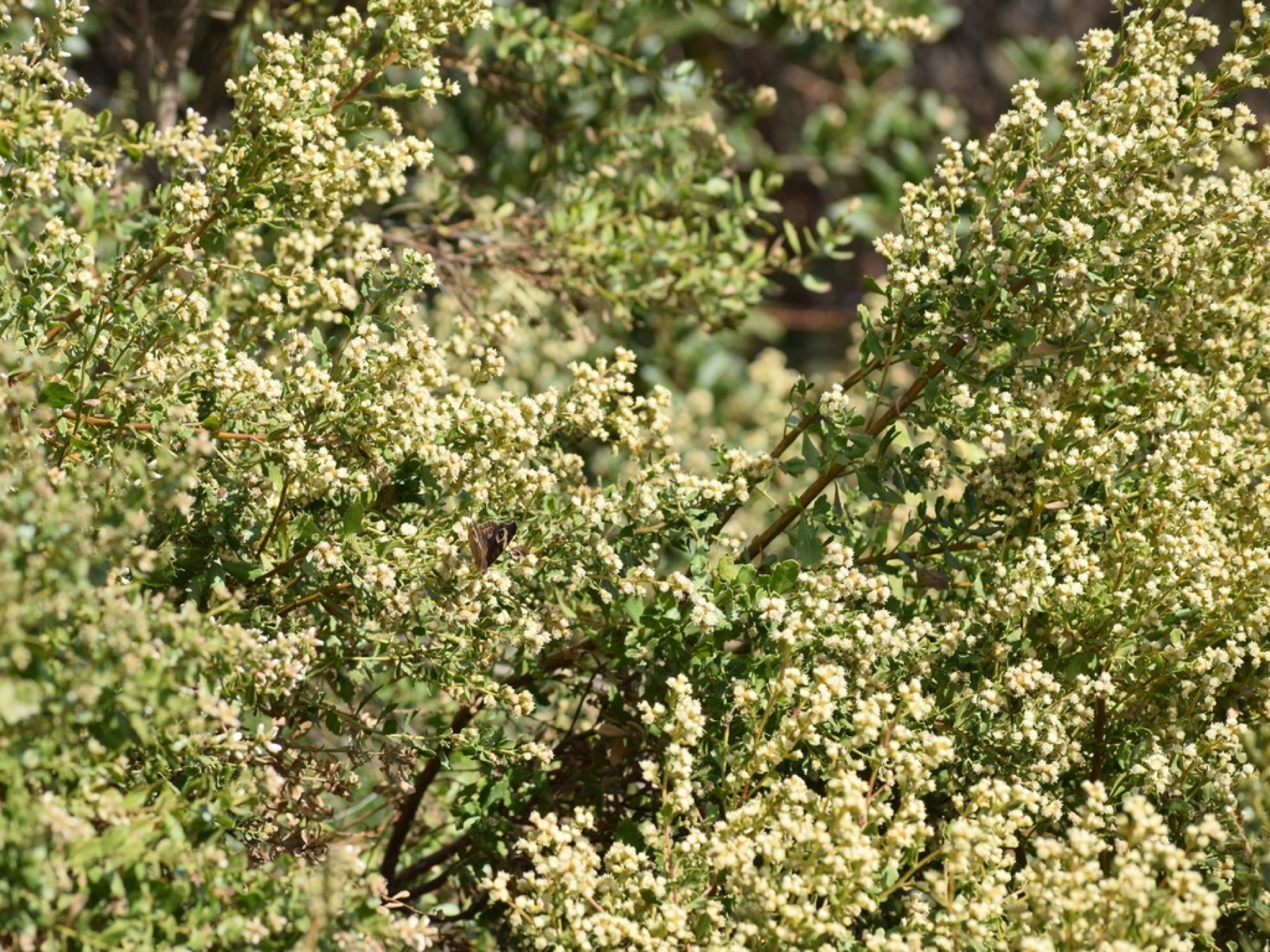
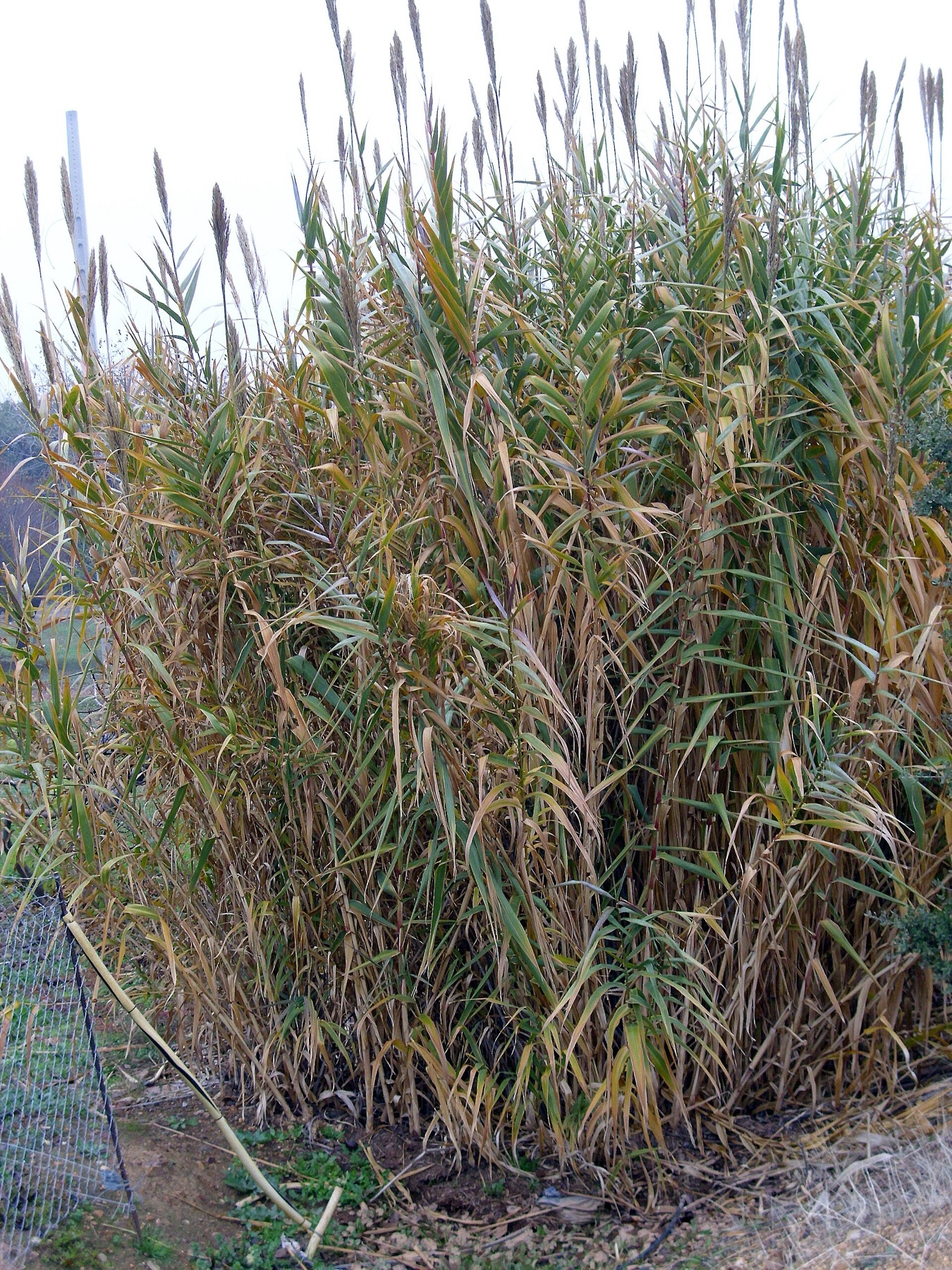
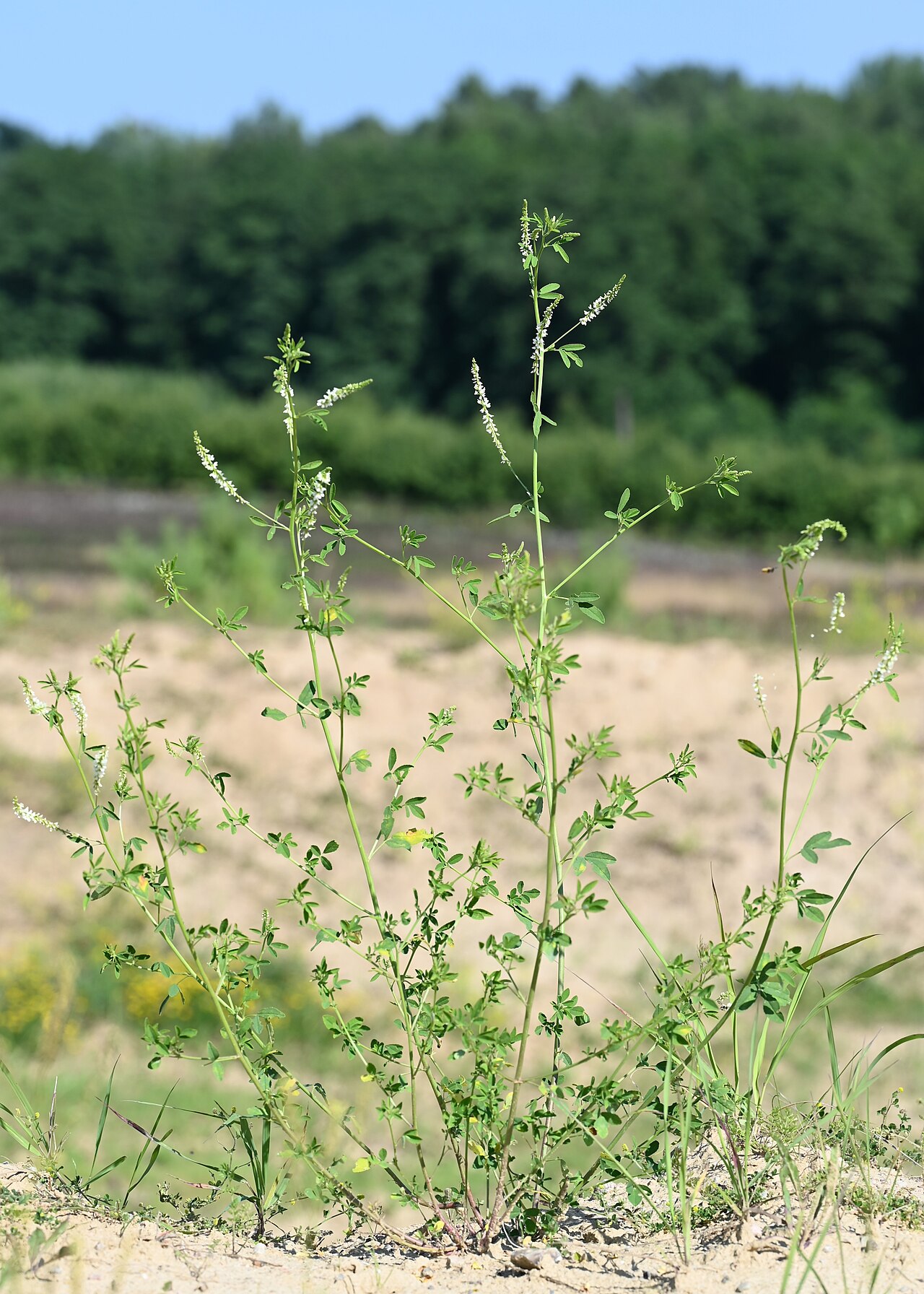
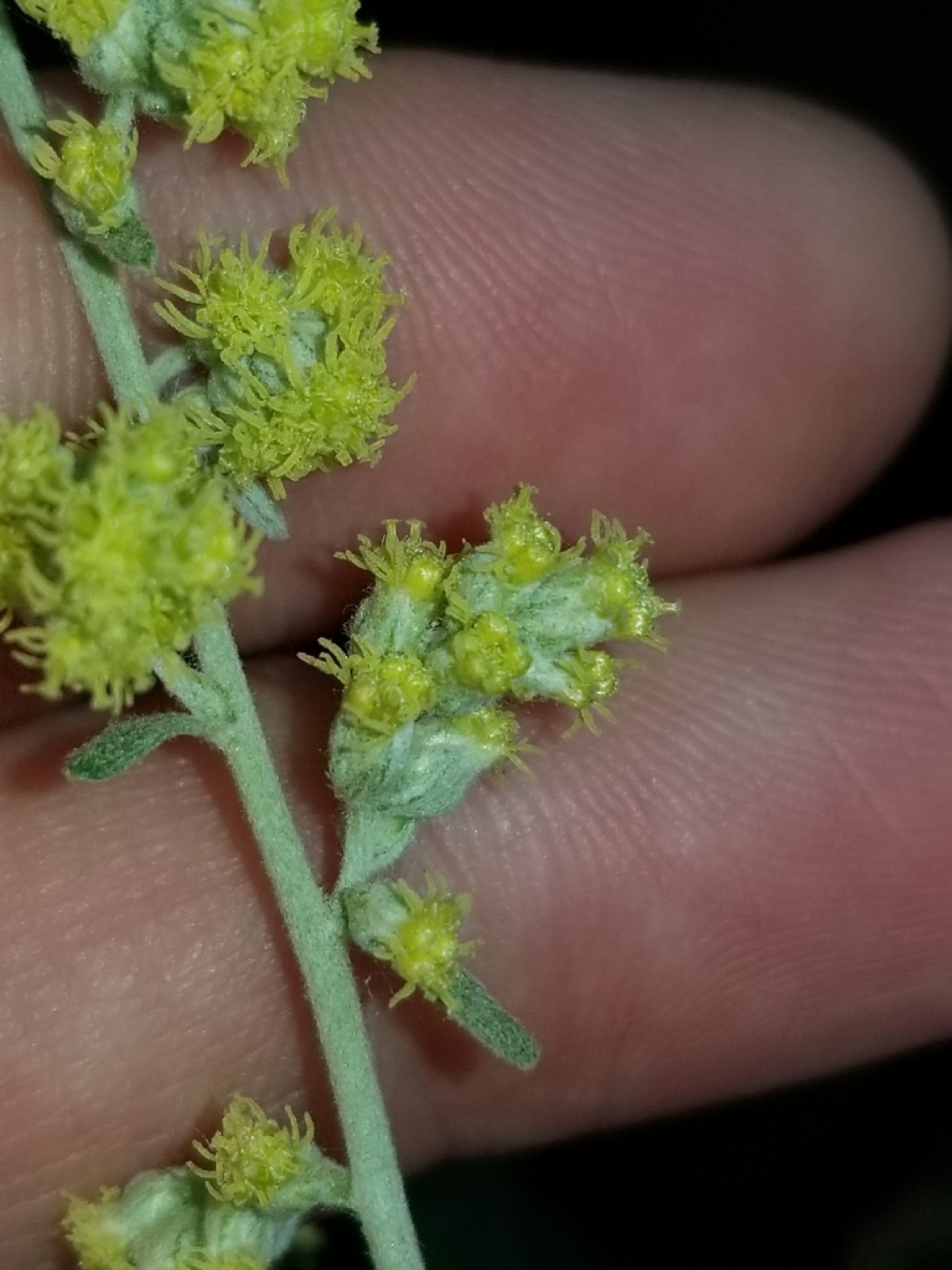
A willow-looking shrub that is not a willow at all. Mule fat has long, narrow, often toothed leaves on upright green stems and clouds of small whitish flower heads in late season. It often forms dense thickets along washes and creek margins, especially after disturbance.
Indigenous & historical use
The Kumeyaay used mule fat for thatching and pounded the cooked leaves and bud tips into a poultice for wounds. Its long, straight stems were worked into arrow shafts and hand-drill fire kits, a use Jan Timbrook’s Chumash Ethnobotany records for the Chumash, and the Kayenta Navajo used the plant in a medicinal lotion documented by Wyman and Harris in 1951.
Ecological role
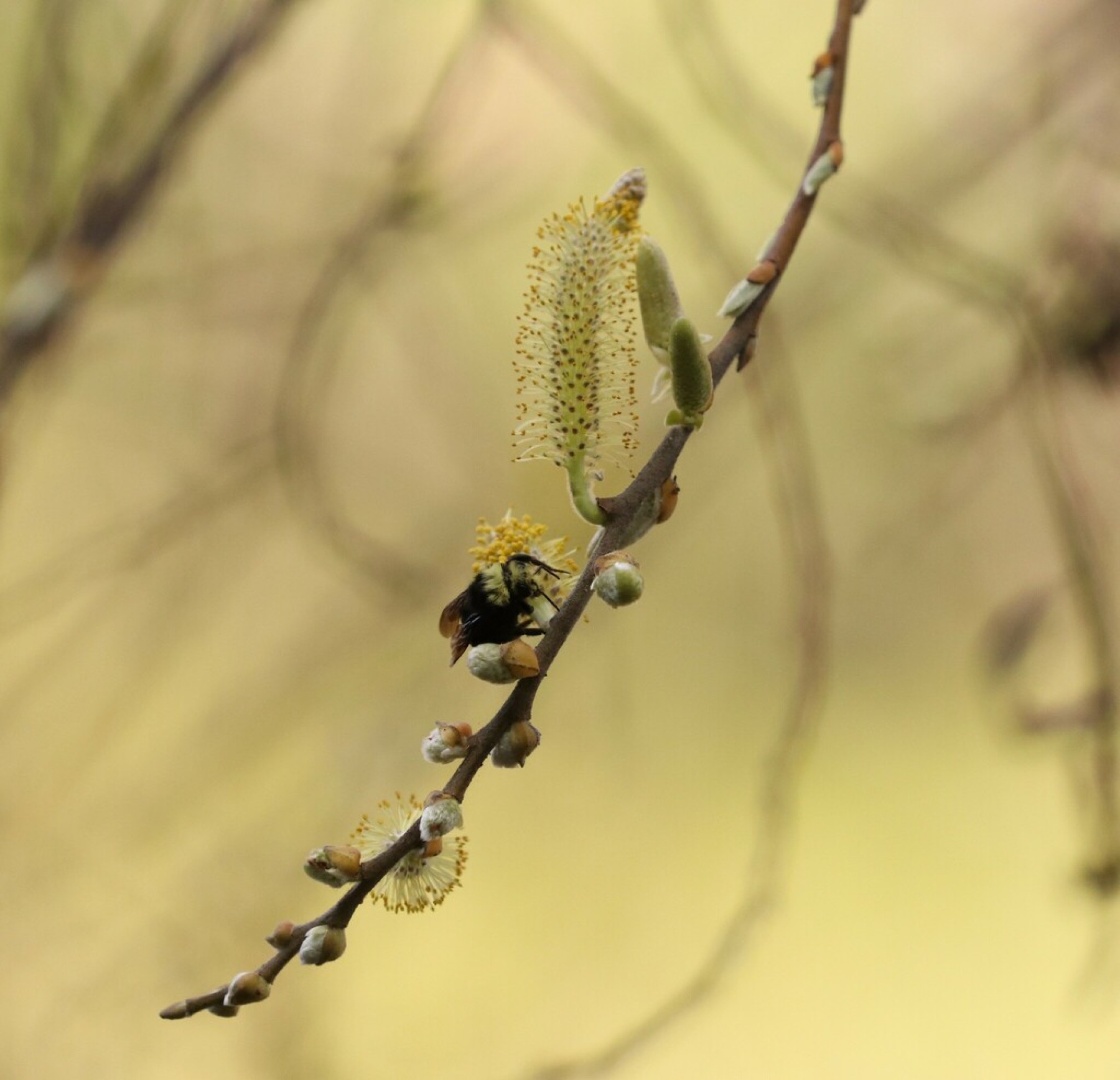
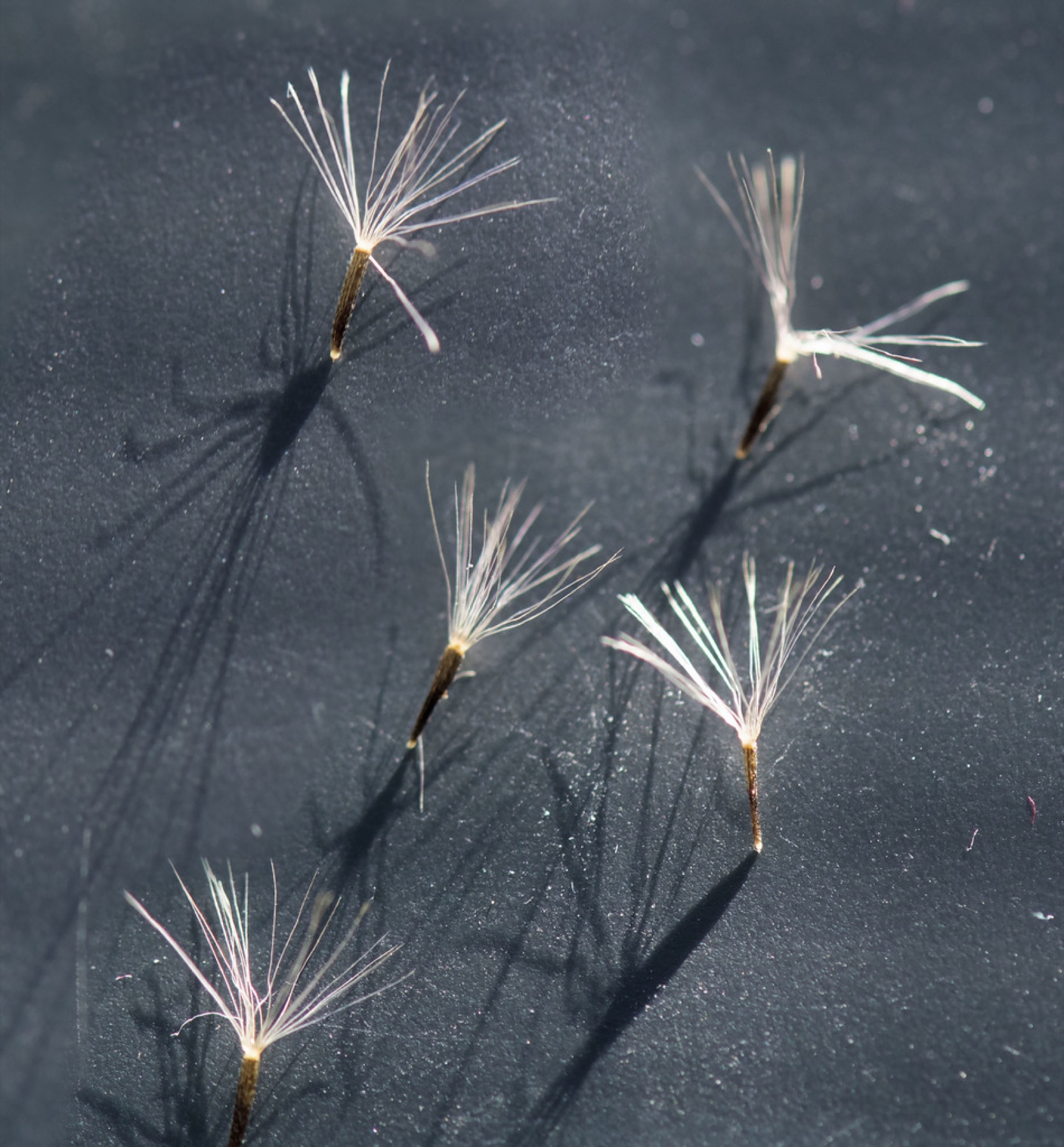
Mule fat blooms late in the year, from midsummer through fall, filling a window when much of the creek has little else to offer. The flowers are small and unshowy but heavily visited by native bees, butterflies (including the fatal metalmark, a species that depends on this plant), flies, and other beneficial insects gathering what pollen and nectar they can before winter. The plant also hosts several gall-inducing insect species. It is one of the first shrubs to reclaim raw creekbanks and open washes after disturbance: in heavily scoured channels, mule fat often forms the dense pioneer thickets that give birds immediate cover and structure while slower-growing trees like sycamores and cottonwoods are still getting established. Wind-scattered seed lets it colonize far downstream from a single plant.
Habitat & range
Common in Southern California Riparian corridors, seasonal washes, seeps, and wet disturbed soil. It is one of the first shrubs to reclaim raw creekbanks and open sediment after floods.
In the garden
Useful for bioswales, rain gardens, restoration plantings, and erosion control where it can get periodic water. It is fast and informal rather than refined. Cut back hard to refresh old stems.
Propagation
Easy from seed or semi-hardwood cuttings. For restoration, young container plants establish quickly with winter planting and follow-up water.
Where to see it near you
- iNaturalist — observed in Orange County
- Creek edges, sandy washes, and restoration sites throughout coastal and inland OC.
Problems
Can get rangy and thicket-forming. Best used where that rough, stabilizing habit is welcome.
Sources
- Calscape · iNaturalist · Wikipedia
- Indigenous use: Timbrook, Chumash Ethnobotany (2007) · Wyman & Harris, The Ethnobotany of the Kayenta Navaho (1951) · Moerman, Native American Ethnobotany (Baccharis salicifolia)