Mugwort
Artemisia douglasiana · Asteraceae
- Form
- Perennial
- Height
- 2-6 ft
- Sun
- Part Shade
- Water
- Moderate
- Blooms
- Jun, Jul, Aug, Sep, Oct
- Pet toxicity
- Mild
- Habitat
- Riparian · Woodland
🌿 California native
Quick facts · Habitat: Riparian edges, moist shade, disturbed canyon bottoms · Form / size: Rhizomatous perennial, 2-6 ft · Sun: Part shade to sun · Water: Moderate · Blooms: Summer-fall · Pollinator value: Low
Description
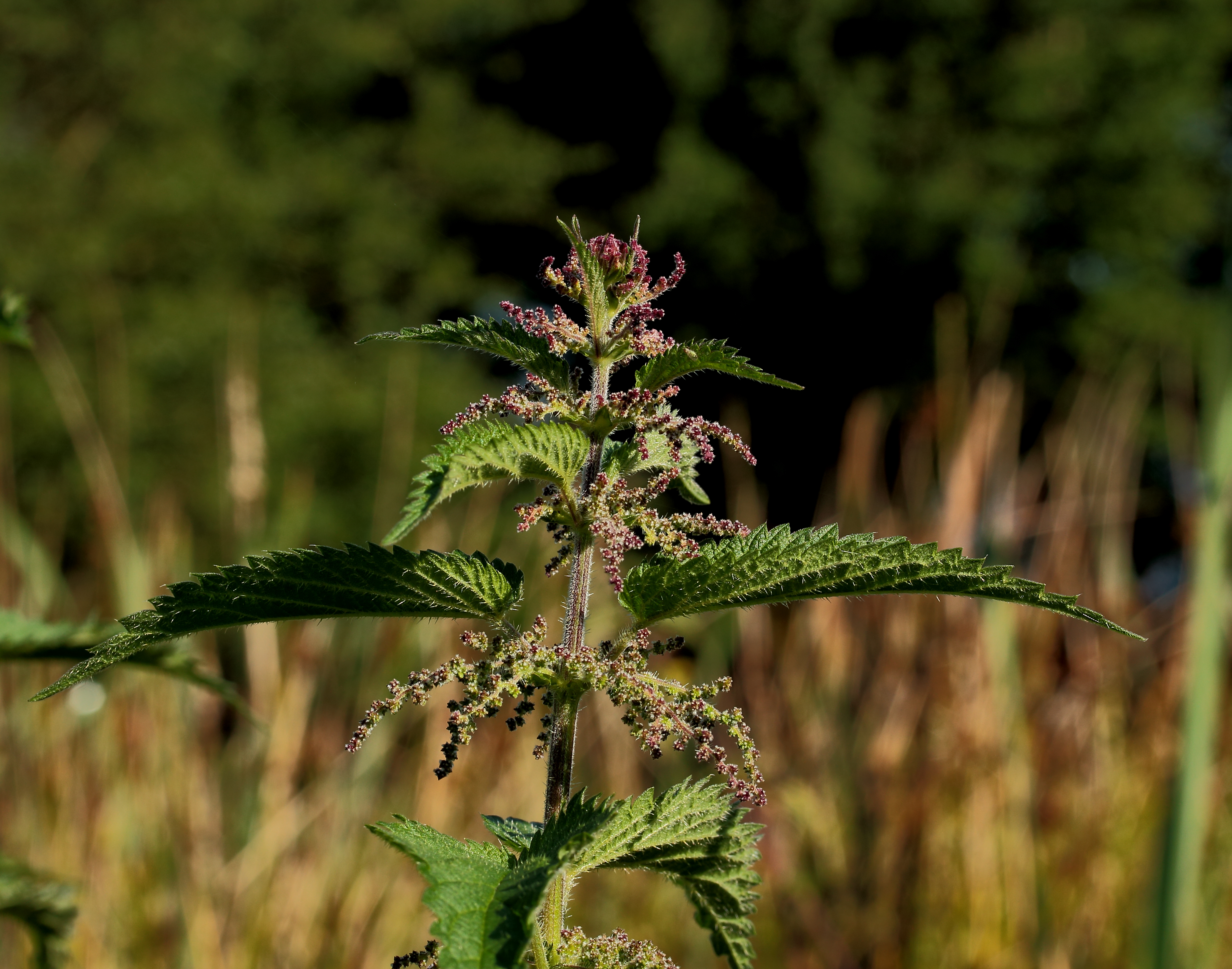
A tall, aromatic perennial with upright stems and green leaves that are paler or silvery beneath. The flowers are small and not showy; the plant reads more as a soft green colony than a floral display. Crush a leaf and the sagebrush-relative scent gives it away.
Indigenous & historical use
California mugwort earned its common name, the dream plant, because several California peoples smoked or brewed the leaves to bring on vivid dreams and used it in mourning and purification. The Chumash chewed the leaves for tooth and gum pain, Miwok mourners packed them in the nostrils to clear the head, and the Costanoan (Ohlone) burned the branches to smoke bees from their nests. As a medicine the leaves were brewed or poulticed across its California range for rheumatism, headaches, and the rash from poison oak.
Ecological role
Mugwort fills a quiet role in the riparian understory. Like other Artemisia species it is wind-pollinated, so bees and butterflies get little from its flowers. What it provides instead is structure: its rhizomatous growth habit means a colony spreads laterally and fills space, creating the dense understory texture that gives small birds and beneficial insects cover along creekbanks and shaded canyon bottoms. The aromatic foliage is part of the scent profile of these riparian edges, and it tends to mark a stabilized bank, ground that has stayed moist long enough for perennials to establish. Seed production gives wildlife something to forage through fall and into winter. In restoration work, mugwort’s fast spread and consistent moisture requirements make it useful for filling newly planted riparian patches while taller willows and sycamores are still establishing — not the backbone of the system the way those trees are, but part of the infrastructure that makes a functional riparian corridor more than just water and bare rock.
Habitat & range
Moist canyon bottoms, creek edges, springs, and shaded disturbed ground. It often appears where soil stays damp longer than the surrounding slope.
In the garden
Useful for a native understory or moist habitat patch where you want texture and a little wildness. It spreads by rhizomes, so place it where a colony is welcome.
Propagation
Easy by division of rhizomes in winter or early spring. Seed can work, but division is faster and truer to a local patch.
Where to see it near you
- iNaturalist — observed in Orange County
- Moist canyon bottoms and shaded riparian edges.
Problems
Spreads in watered soil. Mildly aromatic/medicinal; do not treat it as a casual edible.
Sources
- Calscape · iNaturalist · Wikipedia
- Indigenous use: USDA NRCS Plant Guide: Artemisia douglasiana · Moerman, Native American Ethnobotany (Artemisia douglasiana)
Commonly confused with
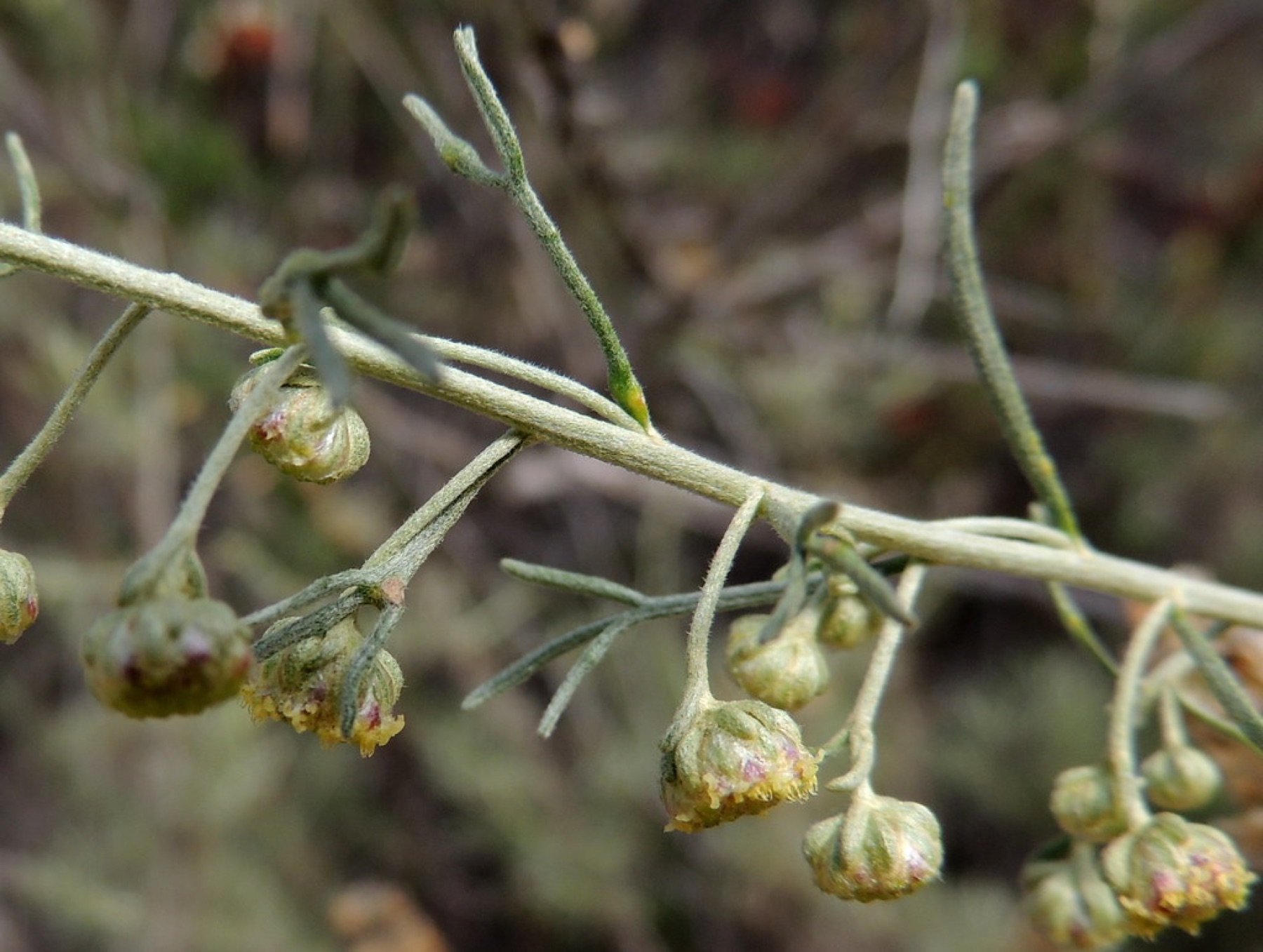 California Sagebrush 🌿 Artemisia californica drier coastal-sage-scrub shrub with much finer, threadlike leaves.