Blue Elderberry
Sambucus cerulea · Viburnaceae
- Form
- Shrub
- Height
- 8-25 ft
- Sun
- Full Sun
- Water
- Low
- Blooms
- Mar, Apr, May, Jun, Jul
- Pet toxicity
- Toxic
- Habitat
- Riparian · Woodland
🌿 California native
Quick facts · Habitat: Riparian edges, washes, oak woodland, foothill slopes · Form / size: Large shrub / small tree, 8-25 ft · Sun: Full sun to part shade · Water: Low to moderate once established · Blooms: Spring-summer · Pollinator value: Moderate
Description
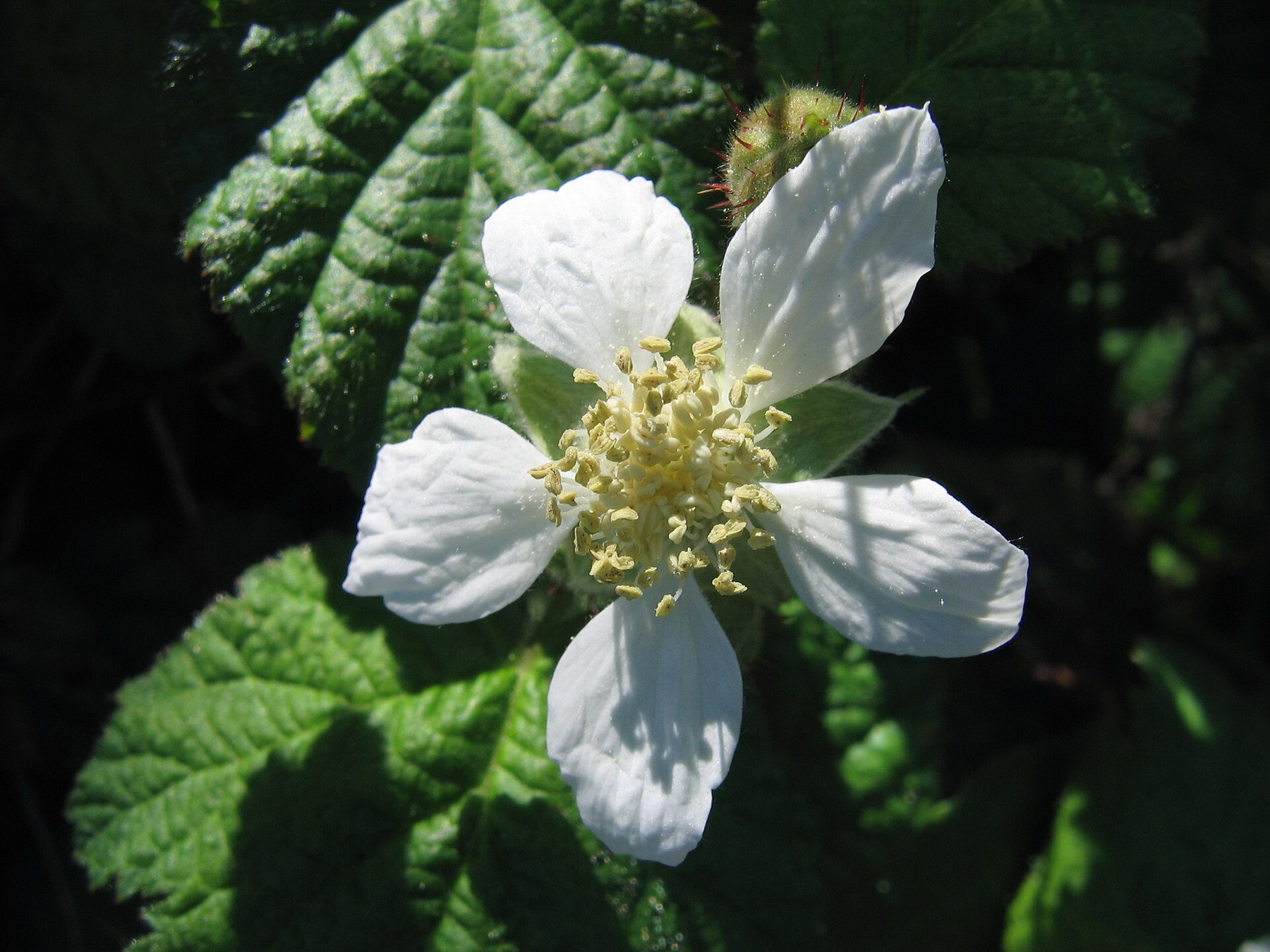
A fast, open shrub or small tree with opposite, compound leaves and big flat-topped clusters of cream-white flowers. The fruit ripens with a pale blue waxy bloom, which gives the plant its common name.
Ecological role
Blue elderberry flowers in spring and early summer, offering pollen and nectar to native bees and other small pollinators. The berries that follow feed birds and small mammals. The open branching structure adds perches and cover at the edge of creeks and woodland plantings, and its tolerance for moderate to low water once established makes it useful in riparian corridors where water is unpredictable. Unlike willows that need wet feet, blue elderberry sits at the drier edge of riparian habitat.
Habitat & range
Widespread in California foothills, woodland edges, washes, and riparian margins. It does not need wet feet the way willows do, but it often takes advantage of the extra moisture along creek corridors.
In the garden
One of the easiest large native shrubs for habitat gardens. Give it sun, room, and occasional deep water while young. It can be trained as a small tree or cut back hard to renew.
Propagation
Grow from seed after cleaning and stratification, or from hardwood cuttings in winter. Local seed is best for restoration.
Where to see it near you
- iNaturalist — observed in Orange County
- Creek edges, foothill washes, and oak woodland margins.
Problems
Raw elderberry parts can be toxic; do not treat the plant casually as edible. Aphids and twig dieback can occur but are usually minor.
Sources
Commonly confused with
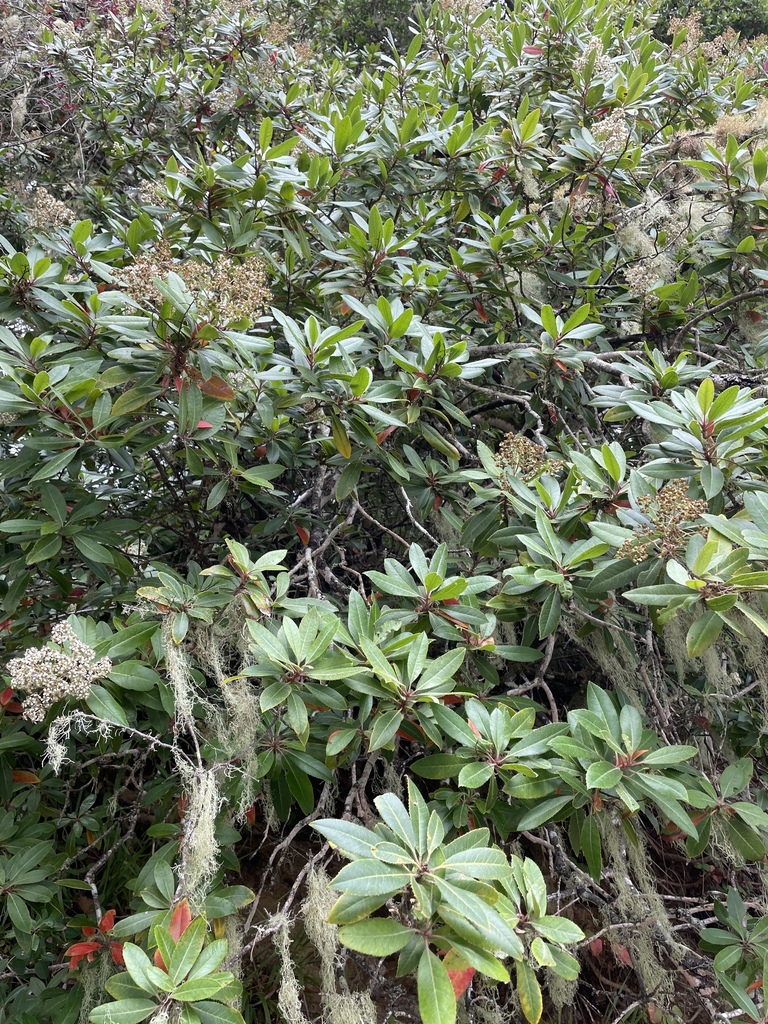 Toyon 🌿 Heteromeles arbutifolia red berries and simple evergreen leaves, not compound deciduous leaves.