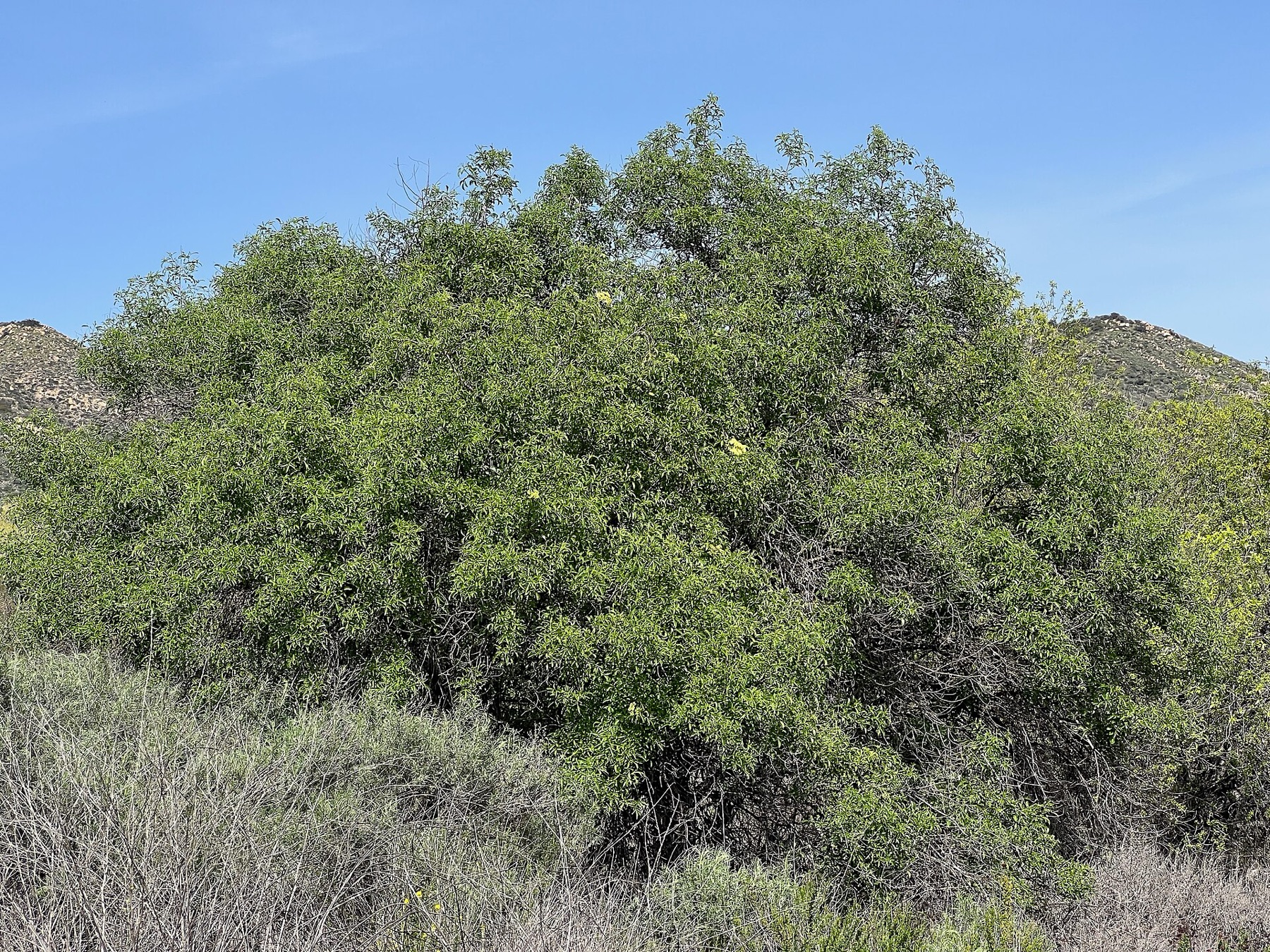
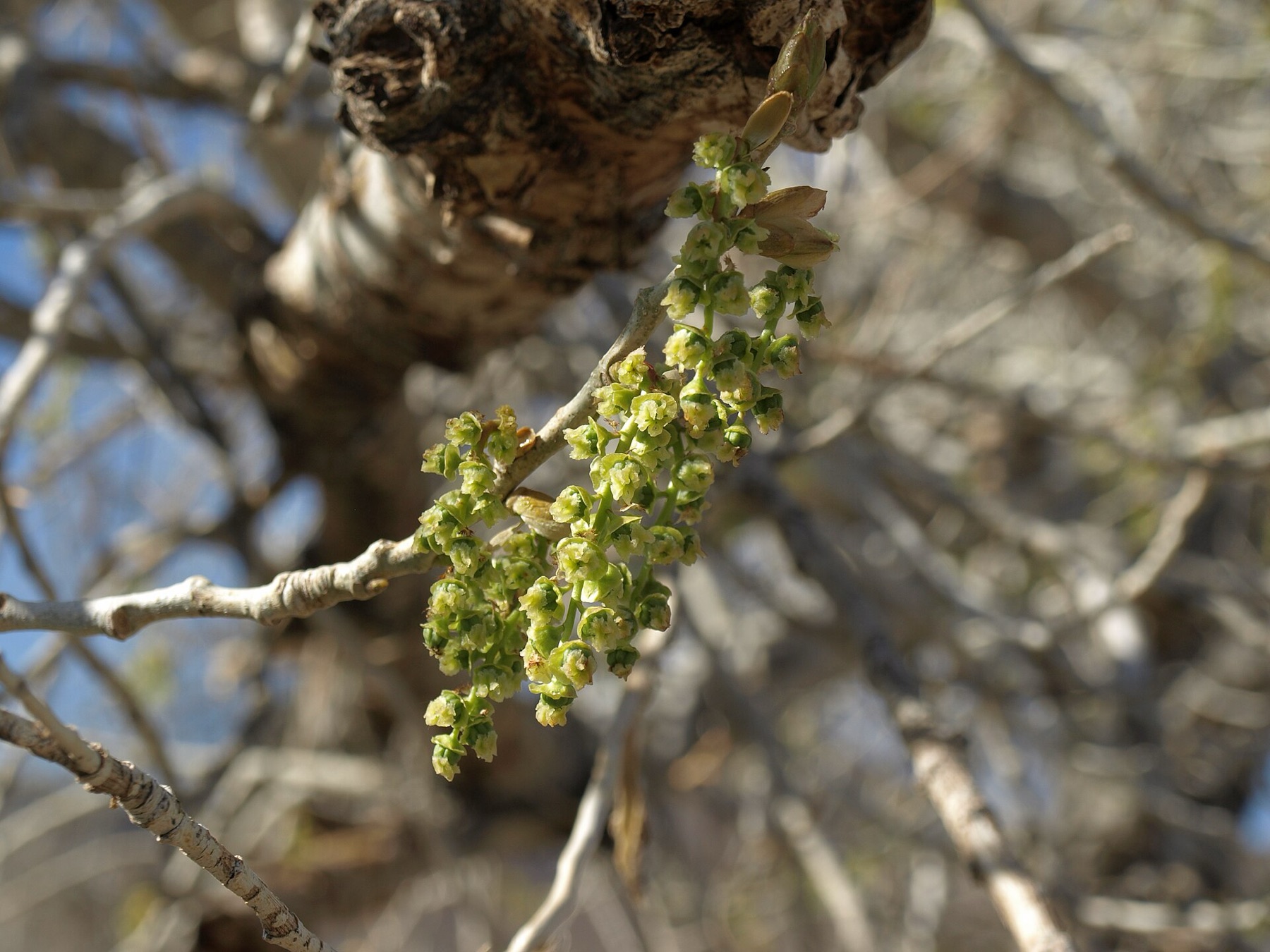
Stinging Nettle
Urtica dioica · Urticaceae
- Form
- Perennial
- Height
- 2-6 ft
- Sun
- Part Shade
- Water
- Moderate
- Blooms
- Apr, May, Jun, Jul, Aug, Sep
- Pet toxicity
- Mild
- Habitat
- Riparian · Woodland
🌿 California native
Quick facts · Habitat: Moist shade, creek edges, rich disturbed soil · Form / size: Upright perennial, 2-6 ft · Sun: Part shade to sun · Water: Moderate to high · Blooms: Spring-fall, inconspicuous · Pollinator value: Low
Description
A tall, green perennial with opposite, toothed leaves and tiny greenish flowers. The important field mark is the obvious one: the stems and leaves carry stinging hairs that can burn or tingle when touched.
Indigenous & historical use
The Miwok used stinging nettle as a counter-irritant, whipping an aching joint or muscle with the fresh plant so the sting pulled blood to the surface and eased the deeper pain, a practice recorded in Barrett and Gifford’s 1933 study of Miwok material culture. The tough bast fiber in the stems was retted and twisted into cordage, netting, and bowstrings, and the young spring shoots were cooked as greens once the sting was boiled out.
Ecological role
Stinging nettle is a host plant for several butterfly species, including the red admiral and small tortoiseshell, whose caterpillars feed on the leaves. The plant thrives in moist, nutrient-rich soil along creek banks and in the disturbed, wet edges where riparian corridors recover from flooding. Its small, greenish flowers are inconspicuous and give bees little to work with, but for the insects that have evolved to tolerate or exploit its stinging hairs, it’s specialized refuge. The plant spreads by rhizomes through wet soil, so dense patches establish quickly in areas recovering from disturbance, creating thickets that shelter small animals and slow water flow during flood events. It isn’t a dominant structural player like willow or sycamore, but it feeds a narrow guild of butterflies and holds its own piece of the creek corridor’s structure.
Habitat & range
Moist, nutrient-rich soil along creeks, shaded canyon bottoms, seeps, and disturbed wet edges. Native and introduced nettles can be taxonomically messy, but nettle is a real part of California riparian understories.
In the garden
Mostly for habitat patches, ethnobotanical gardens, or controlled wet corners away from paths. Not a friendly plant for children’s play areas, dog runs, or narrow maintenance corridors.
Propagation
Easy by division of rhizomes or seed. It spreads where soil is moist and rich.
Where to see it near you
- iNaturalist — observed in Orange County
- Shady creek edges and rich moist soil.
Problems
The sting is the management issue. Wear gloves, long sleeves, and eye protection when cutting or pulling.
Sources
- Calscape · iNaturalist · Wikipedia
- Indigenous use: Barrett & Gifford, Miwok Material Culture (1933) · Wikipedia: Urtica dioica (Uses) · Moerman, Native American Ethnobotany (Urtica dioica)
Commonly confused with
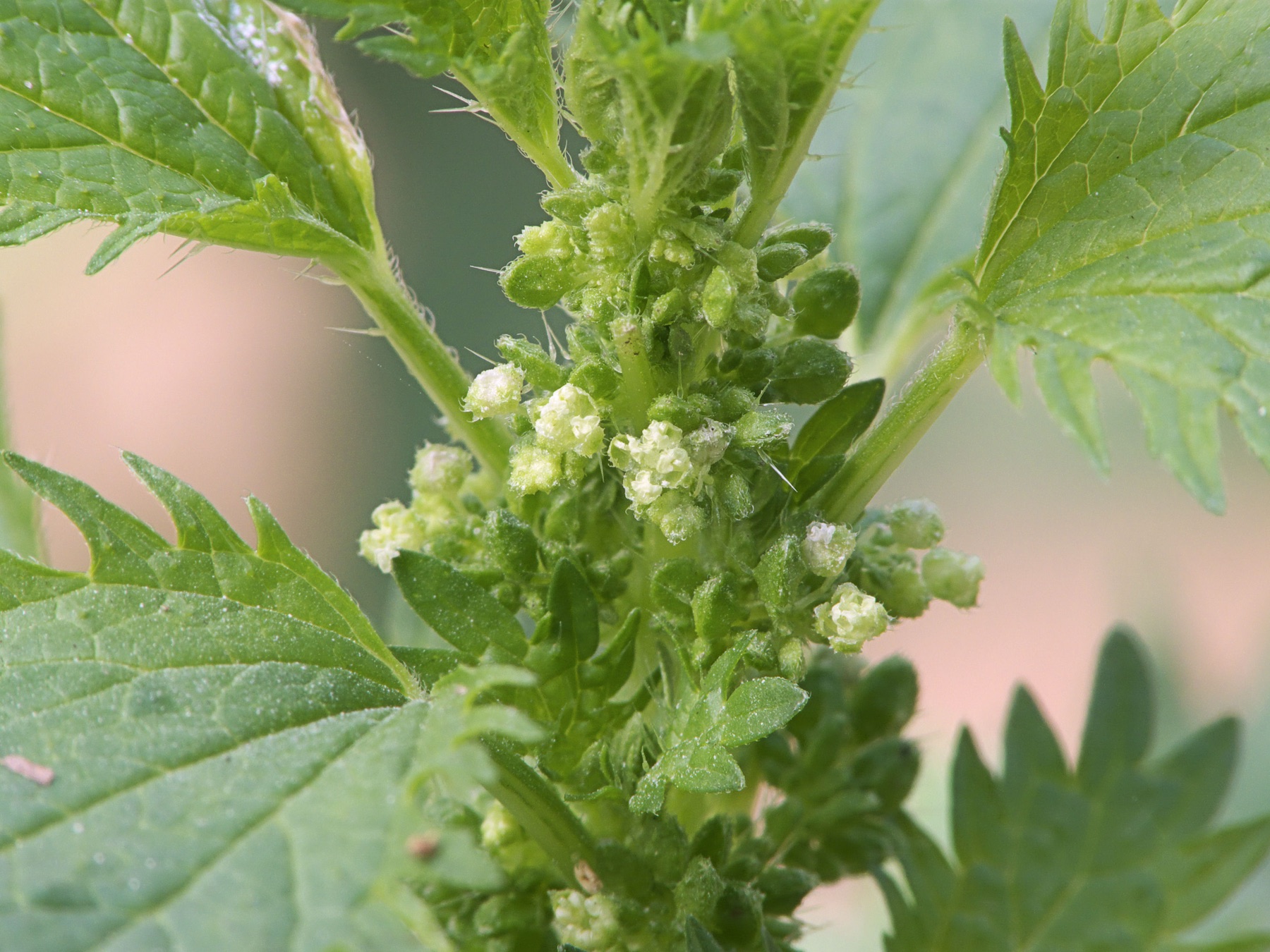 Dwarf Nettle 🌍 Urtica urens smaller, often weedy/non-native, also stinging.