California Grape
Vitis californica · Vitaceae
- Form
- Vine
- Height
- climbing 10-40 ft
- Sun
- Part Shade
- Water
- Moderate
- Blooms
- May, Jun
- Pet toxicity
- Toxic
- Habitat
- Riparian · Woodland
🌿 California native
Quick facts · Habitat: Riparian edges, woodland, canyon bottoms · Form / size: Deciduous climbing vine, 10-40 ft · Sun: Part shade to sun · Water: Moderate · Blooms: Late spring · Pollinator value: Moderate
Description
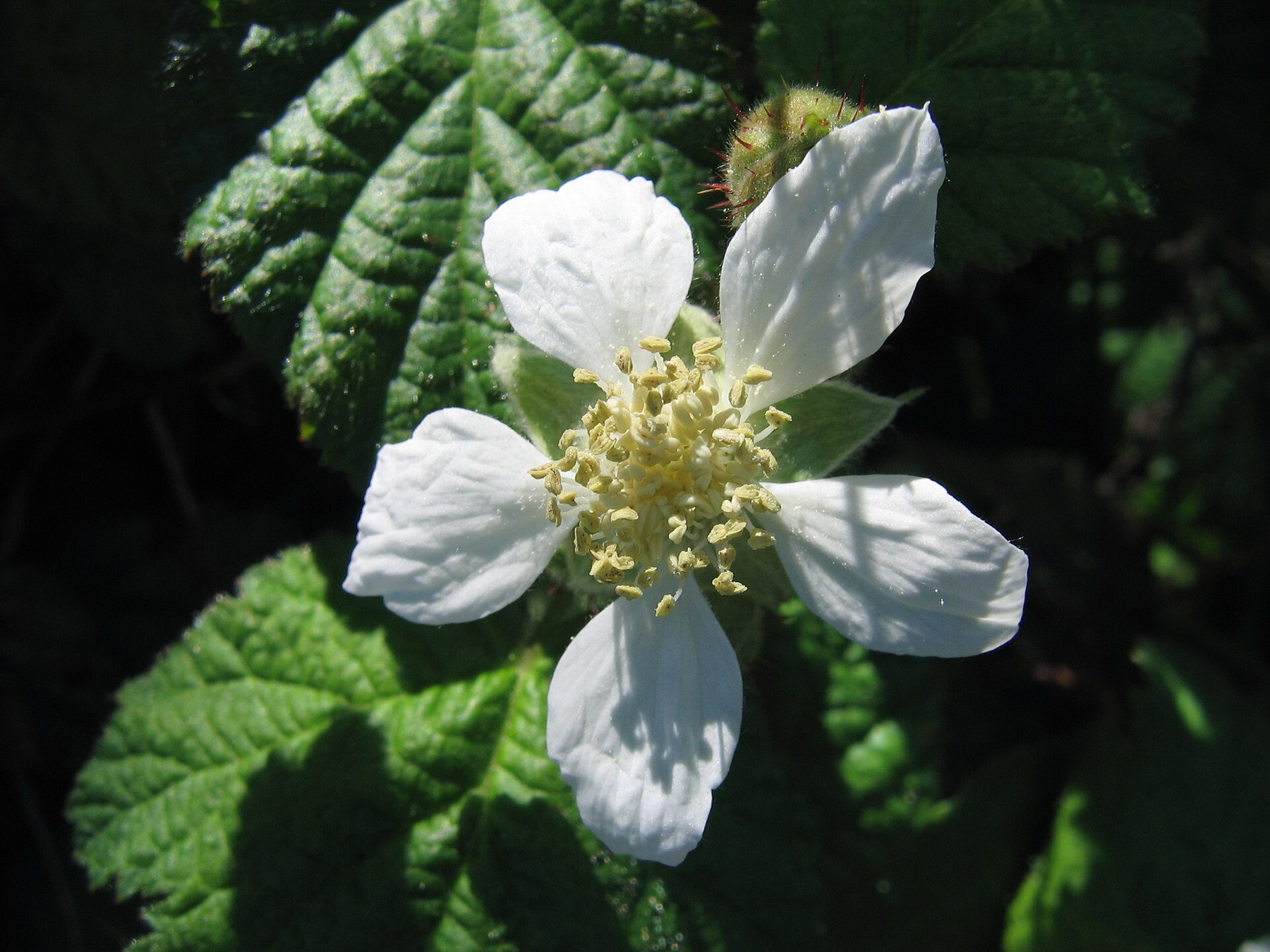
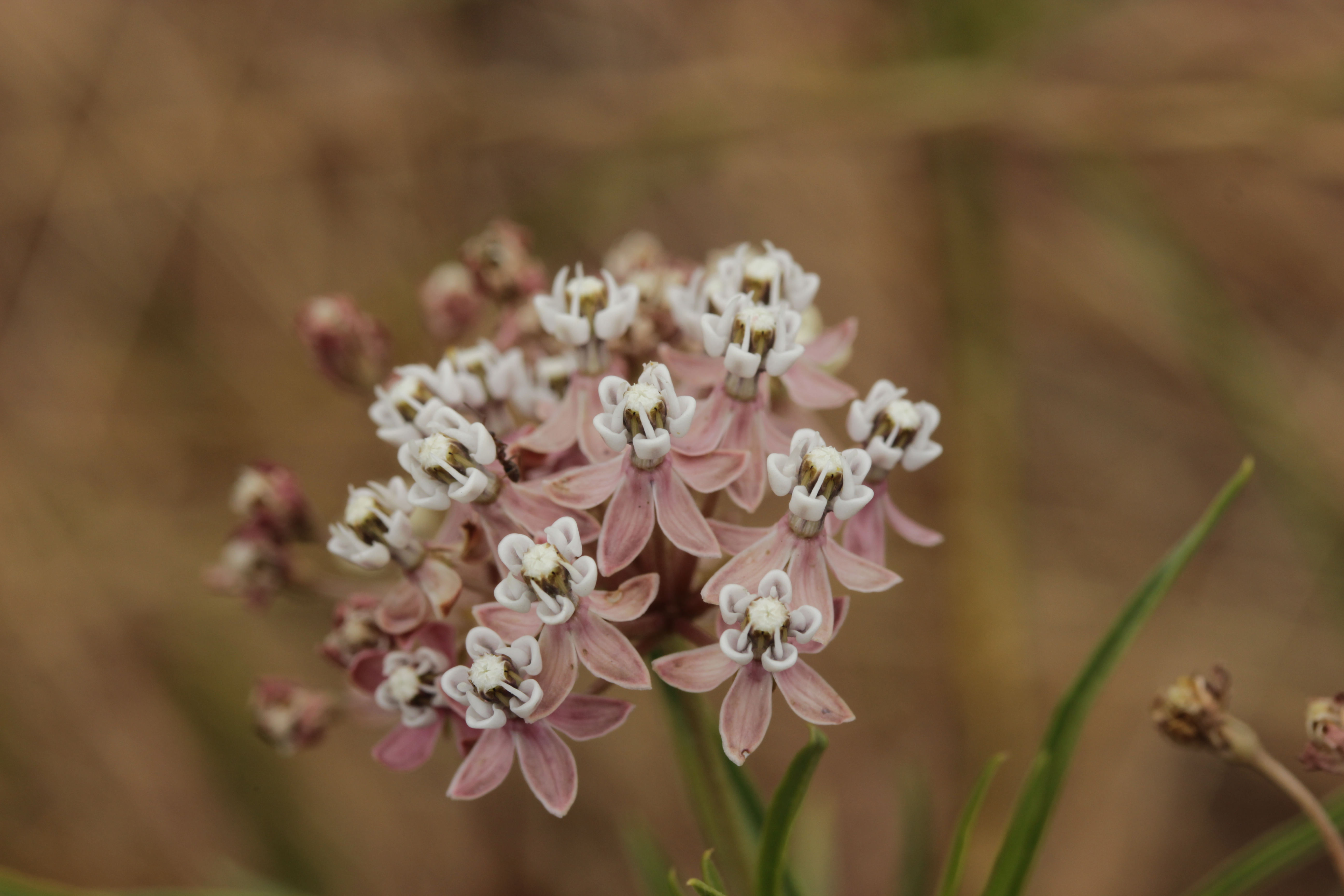
A vigorous native grape with tendrils, broad lobed leaves, and small greenish flower clusters that become purple-black grapes. In fall the leaves can turn yellow, orange, or red, especially with sun.
Ecological role
California grape flowers bloom early in the riparian season, before many other plants are flowering, making them an important pollen source for native bees and small flies when food is scarce. The fruit feeds birds and small mammals, which can disperse seeds downstream where new vines establish. The vine’s structural role is different from a willow’s or a cottonwood’s: it doesn’t shade the bank the way a willow canopy does, and it doesn’t lock soil through a root system, but it creates dense, layered cover by draping over shrubs and trees. Riparian songbirds use these tangled spaces for nesting, and a sparse understory becomes a refuge once grape vines weave themselves through native shrubs. Streambanks where vines have established tend to support more nesting habitat than stripped-down banks.
Habitat & range
Moist woodland and riparian edges from California into Oregon. It climbs through shrubs and trees where roots can reach deeper moisture.
In the garden
A beautiful native vine for arbors, fences, and habitat edges if you can give it a strong structure. It wants more water than dry chaparral plants, but once established it can handle seasonal dry-down with deep roots.
Propagation
Grow from hardwood cuttings in winter or seed after cold stratification. Layering also works when stems touch soil.
Where to see it near you
- iNaturalist — observed in Orange County
- Moist canyon bottoms, creek edges, and woodland margins.
Problems
Grapes/raisins are dangerous for dogs, so treat fruit as pet-toxic. Prune in winter to keep it from swallowing paths or small shrubs.