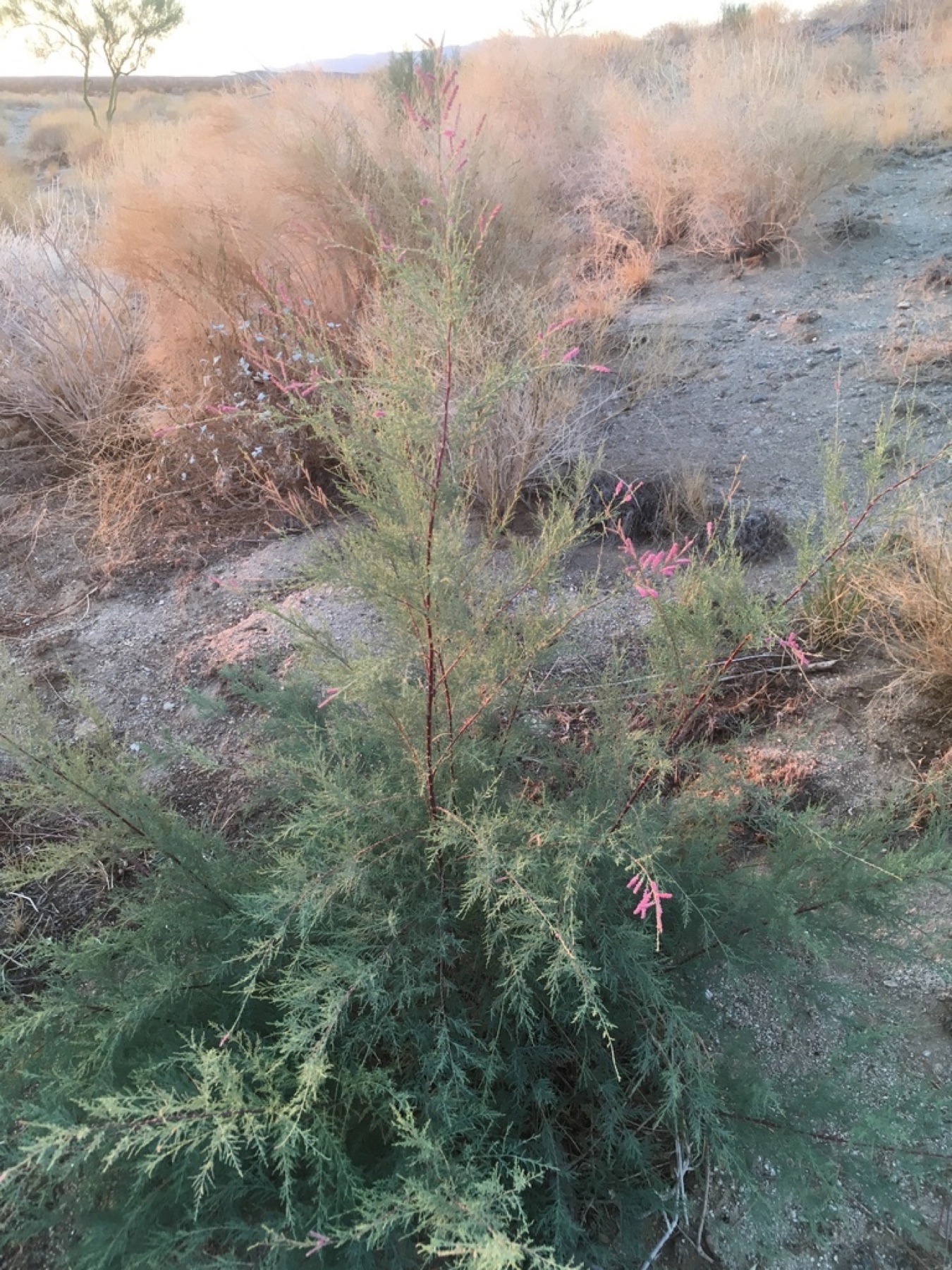
California Blackberry
Rubus ursinus · Rosaceae
- Form
- Vine
- Height
- 1-3 ft tall, trailing 6-15 ft
- Sun
- Part Shade
- Water
- Moderate
- Blooms
- Mar, Apr, May, Jun
- Habitat
- Riparian · Woodland
🌿 California native
Quick facts · Habitat: Riparian edges, oak woodland, moist slopes · Form / size: Trailing, prickly vine / bramble · Sun: Part shade to sun · Water: Moderate · Blooms: Spring-early summer · Pollinator value: High
Description
A native trailing blackberry with slender, prickly canes and compound leaves usually divided into three leaflets. White to pale pink flowers appear in spring, followed by small, dark, flavorful berries. It weaves through shrubs rather than forming the towering walls made by Himalayan blackberry.
Ecological role
California blackberry is a spring-blooming bramble on riparian edges and moist wooded banks. Its small white to pink flowers appear early in the season and open simply enough for native bees to access directly. Berries ripen black by early summer and feed birds and small mammals that disperse seeds downstream. It builds thickets, loose tangles of prickly trailing canes that sprawl across disturbed banks and weave through shrub layers, and those tangles are protective cover for songbirds and other wildlife that need refuge. Like other brambles, California blackberry is vigorous on bare, flood-scoured ground. It roots in as the bank stabilizes after disturbance, so a recovering riparian corridor often has a dense patch of it marking the boundary between open water and established shade — a scrappy edge-maker, shading soil and holding it in place.
Habitat & range
Moist woodland edges, creek corridors, canyon bottoms, and shaded slopes. In Riparian plantings it fits the messy, productive edge between canopy trees and open paths.
In the garden
Excellent for wildlife gardens if you can give it space and tolerate thorns. Use it as a native edible bramble on slopes, fence lines, or habitat edges. Keep away from tight walkways.
Propagation
Very easy by tip layering: a cane touches soil, roots, and makes a new plant. Also grows from seed after wildlife dispersal, but seedlings vary.
Where to see it near you
- iNaturalist — observed in Orange County
- Shady creek edges, canyon bottoms, and moist woodland margins.
Problems
Thorns and spreading canes are the main management issue. Prune after fruiting and wear gloves.
Sources
Commonly confused with
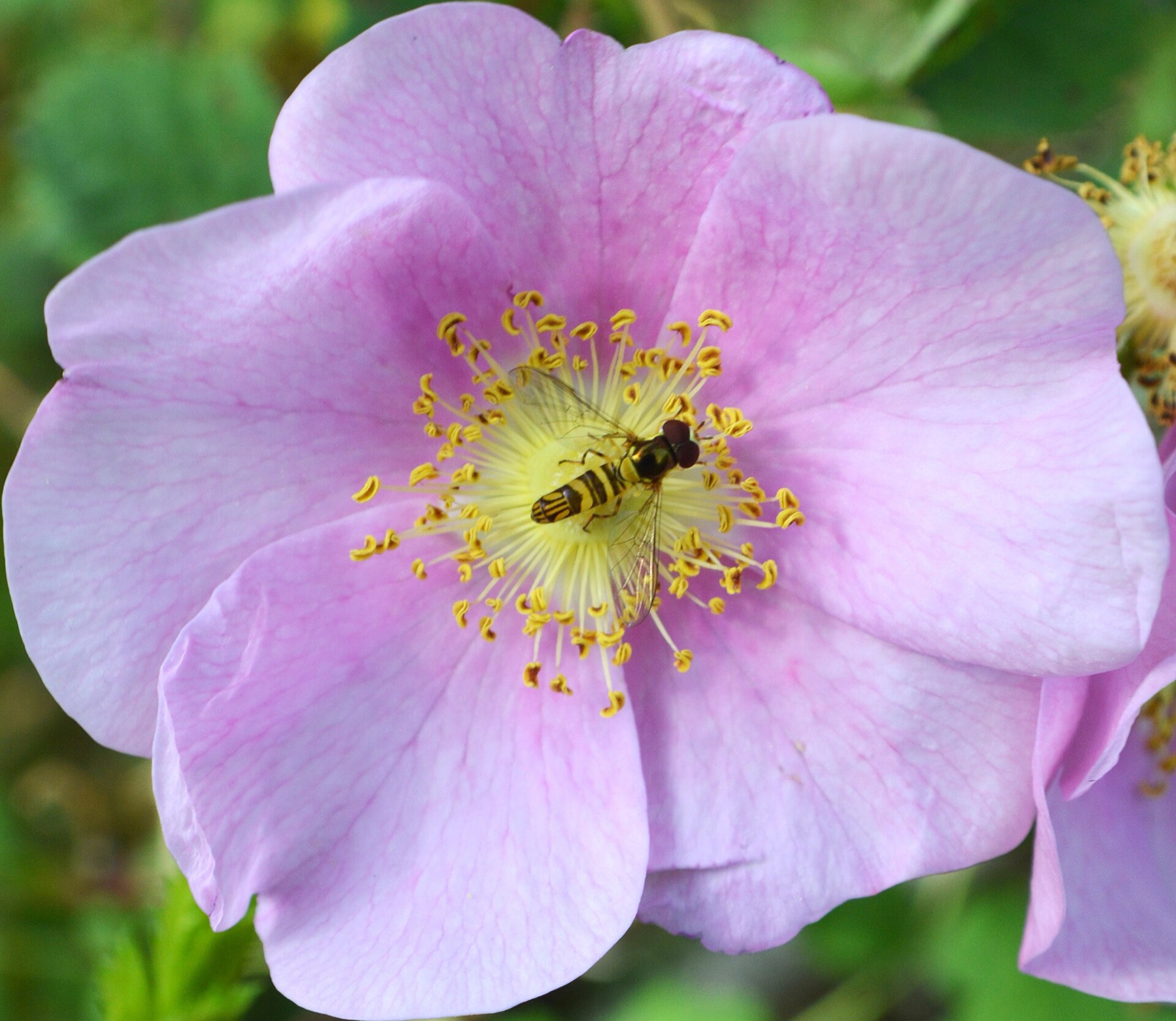 California Wild Rose 🌿 Rosa californica rose has separate shrubs with rose hips; blackberry has trailing canes and aggregate berries.