Saltcedar
Tamarix ramosissima · Tamaricaceae
- Height
- 8-25 ft
🚫 Invasive — priority to remove
At a glance · Tell-tale sign: Feathery gray-green sprays with tiny scale leaves and pinkish flower plumes · Form: Shrub or small tree in riparian/wetland corridors
How to identify
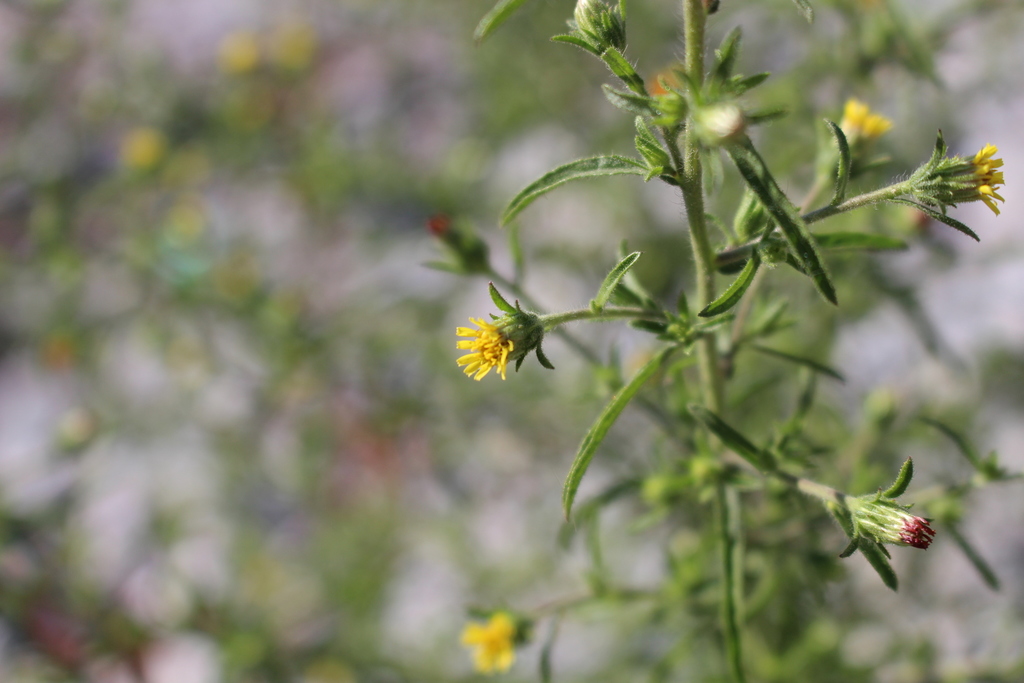
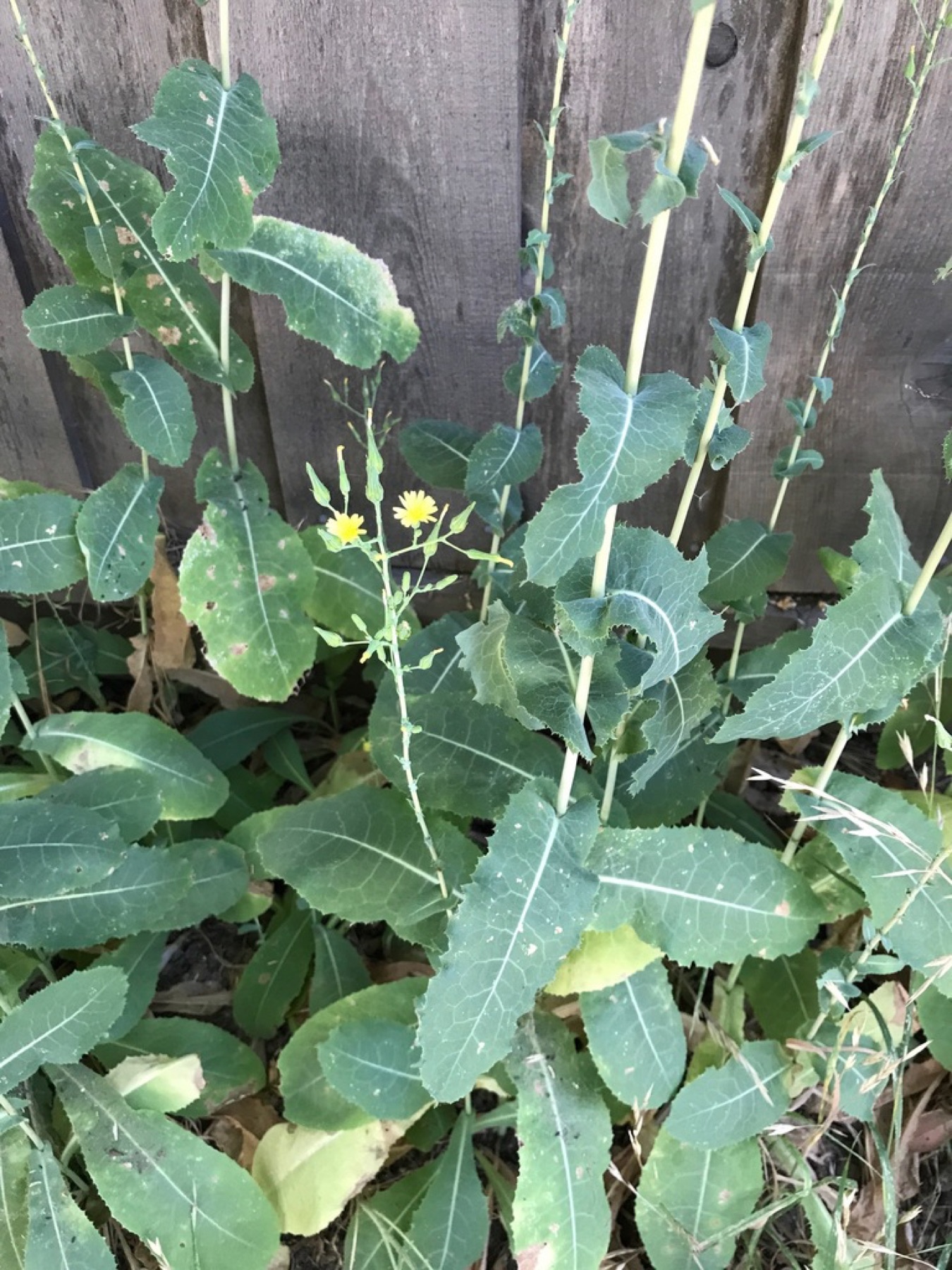
Saltcedar is a wispy-looking shrub or small tree with many fine branchlets, tiny scale-like leaves, and pink to pale flower clusters. It can look soft and ornamental, but in creeks it forms dense, thirsty stands.
How it got here
Saltcedar came to the American West doing a specific job. It was introduced in the 1820s through the 1850s, planted deliberately along streambanks and irrigation ditches in the Southwest, because it grows fast and dense and was thought to hold soil in place. The same traits that made it useful in a ditch make it unstoppable in a real creek. Now it’s one of the reasons Western waterways are choking.
Why it’s a problem
Saltcedar crowds out native riparian vegetation and the wildlife that depends on it. Willows, cottonwoods, and mule fat all lose ground when saltcedar takes hold. But the damage runs deeper. It drinks far more water than the plants it replaces, drawing down streamflow in already-stressed Western watersheds. The roots and leaves accumulate salt from the water it absorbs, then shed it back into the soil, gradually making the ground saltier and harder for other species to grow. It also raises fire risk: where riparian corridors are normally fire-resistant, saltcedar dries into continuous, flammable fuel that burns fast and hot, and regrows quickly afterward. Dense stands trap sediment and narrow the water channel, which can worsen flooding during high flows. Every aspect of how this plant works, its thirst, its salt, its flammability, its prolific seeding, turns a creek from a native habitat into an ecological desert.
How it spreads
By huge quantities of wind- and water-dispersed seed, and sometimes by resprouting after cutting if roots are not controlled.
How to remove it
- Do not just cut and walk away; stumps can resprout.
- For restoration work, use trained cut-stump treatment or approved site protocols.
- Pull very small seedlings when soil is moist and before roots deepen.
- Follow removal with native riparian cover so the opening does not refill with weeds.
Restoration alternative
For tall riparian canopy, plant Fremont Cottonwood: it grows fast and anchors banks the way saltcedar does, but feeds native wildlife and shades the water cold. For dense mid-story cover and erosion control, use Arroyo Willow and Mule Fat together; willows establish quickly from cuttings and mule fat reclaims disturbed ground while supporting late-season pollinators. Where narrower channels or wetter seeps are involved, Goodding’s Willow and Red Willow provide the same dense growth without the salt and thirst. All of these are riparian natives that belong in Southern California’s creeks and will outcompete saltcedar if the invasive is removed and natives are planted right behind it.