Pampas Grass
Cortaderia selloana · Poaceae
- Height
- 6-13 ft
🚫 Invasive — priority to remove
At a glance
- Tell-tale sign: Huge saw-edged grass clumps with tall white plumes
- Priority: Yes — remove from wildland edges and riparian/coastal sites
- Why it matters: Massive seed output, sharp leaves, and heavy fuel loads
How to identify
A giant clumping grass with long, sharp-edged leaves and tall, feathery white to cream plumes. Mature clumps are large enough to dominate a slope or drainage.
Why it’s a problem
Pampas grass escapes landscaping into coastal bluffs, roadsides, riparian areas, and disturbed slopes. It crowds native vegetation and creates large, persistent fuel clumps.
How it spreads
By windblown seed. Plumes can release enormous numbers of seeds.
How to remove it
Cut and bag plumes before seed release. Dig out small plants; larger clumps often require cutting back and removing the crown with heavy tools. Wear gloves and eye protection — leaves are sharp.
Plant this instead
For bold native grass structure, use Deergrass, Giant Wild Rye, or Purple Needlegrass depending on scale and habitat.
Where it’s spread near you
Sources
Commonly confused with
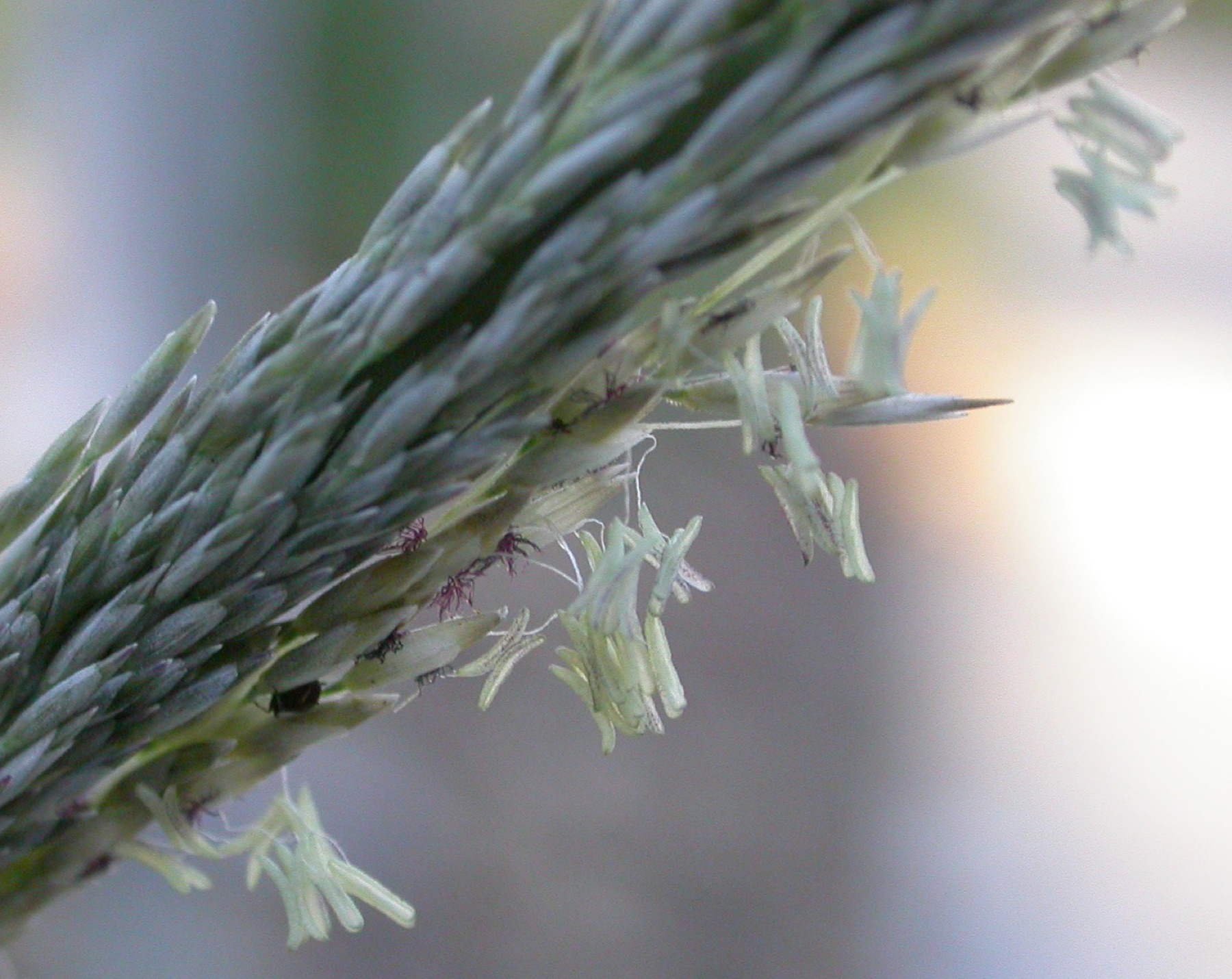 Deergrass 🌿 Muhlenbergia rigens native, smaller, with softer arching tan sprays rather than huge plumes.