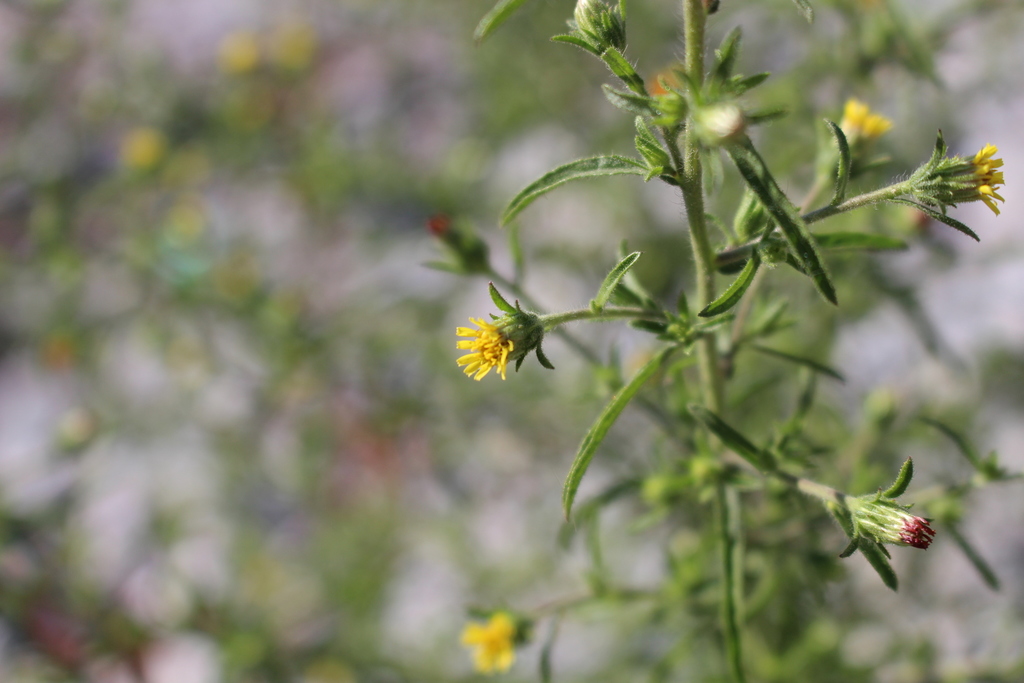
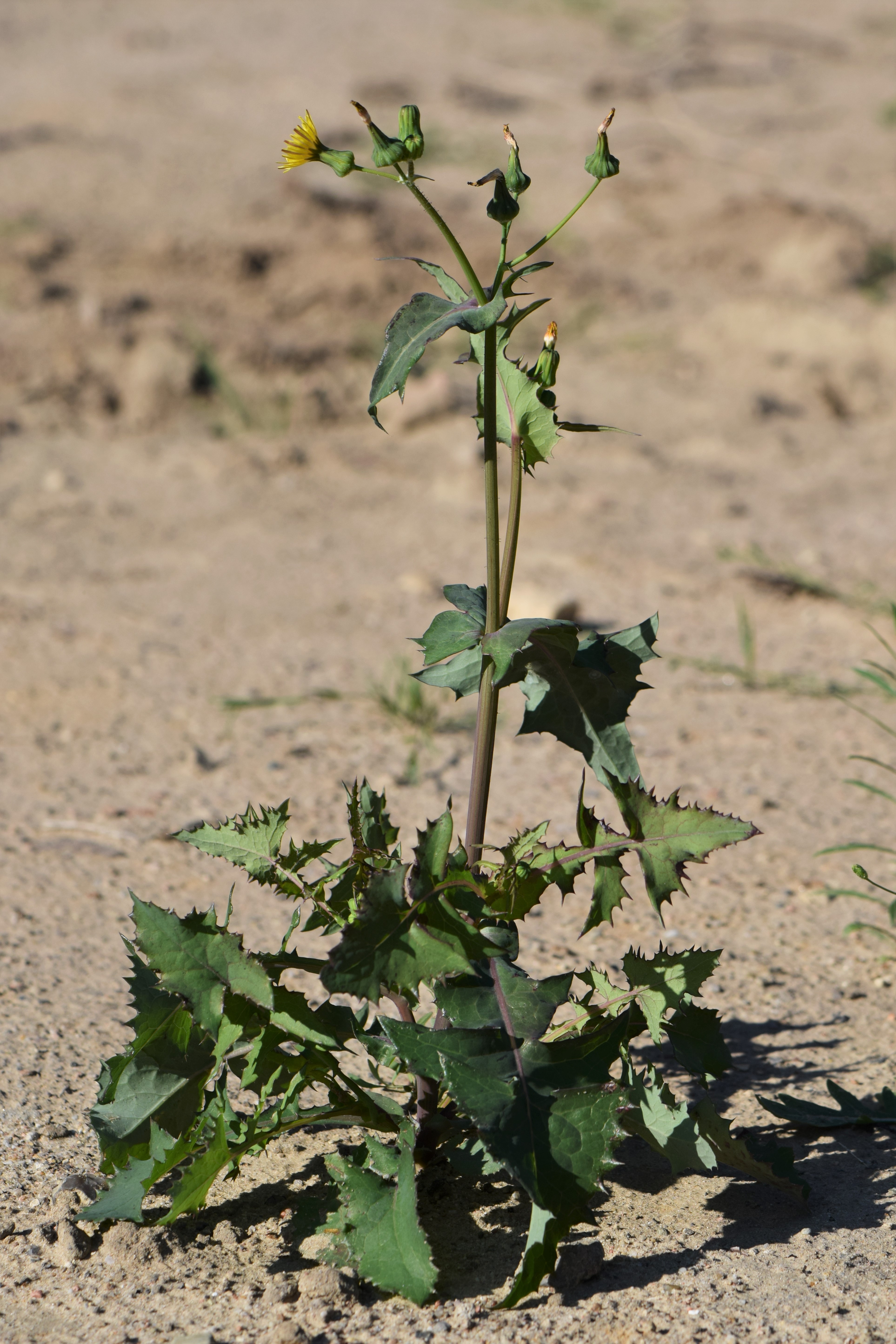
Western Ragweed
Ambrosia psilostachya · Asteraceae
- Form
- Perennial herb
- Height
- 1-4 ft
- Sun
- Full Sun
- Water
- Low Moderate
- Blooms
- Jul, Aug, Sep, Oct
- Pet toxicity
- Mild
🌿 California native
Quick facts
- Habitat: Riparian edges, grassland, disturbed damp-to-dry soil
- Form / size: Upright perennial, 1-4 ft
- Sun: Full sun · Water: Low to moderate
- Blooms: Summer-fall · Pollinator value: Low; wind-pollinated
Description
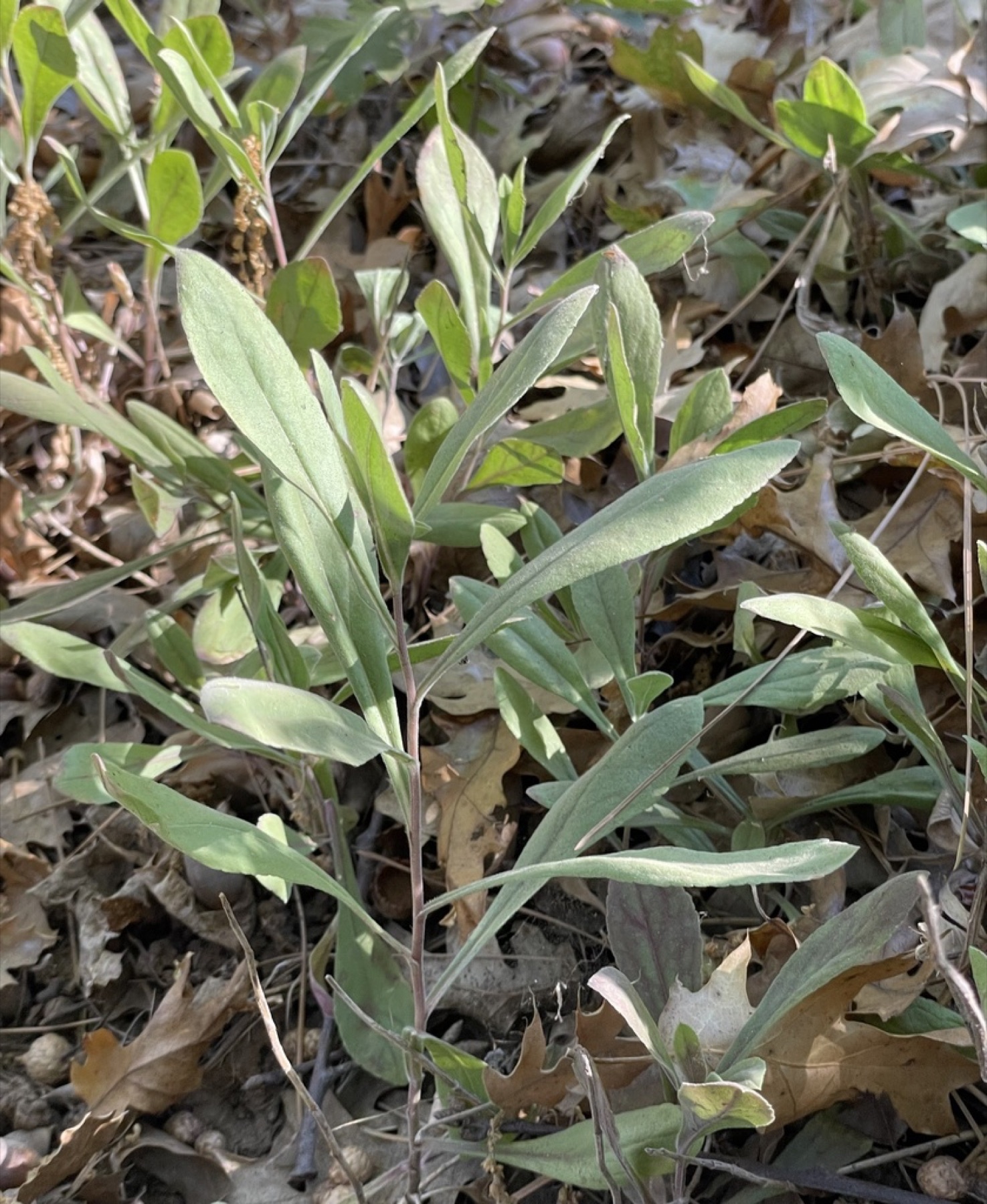
A rough native perennial with deeply cut gray-green leaves and upright greenish flower spikes. It is not showy, but it is common in open creek-adjacent ground and can be an important “is this a weed?” plant for volunteers.
Ecological role
Western ragweed blooms from July through October, when many native wildflowers have already faded. The flowers are wind-pollinated, producing pollen rather than nectar. That late-season bloom period means the plant offers food when the creek’s summer abundance has thinned out: seed-eating birds and small mammals consume the seeds readily, and the foliage supports generalist insects.
It spreads by rhizomes and can form patches, so it establishes quickly along riparian and wetland margins where it occurs. In restoration and habitat plantings it works as a fast colonizer of disturbed ground, and dense stands add structural variety along seasonal water edges.
Habitat & range
Grasslands, dry creek edges, floodplain benches, wetland margins, disturbed soil, and roadsides across much of western North America.
In the garden
Mostly for restoration and habitat plantings, not ornamental gardens. It spreads by rhizomes and can form patches.
Propagation
From seed or rhizome divisions. Use cautiously because it can spread where irrigated.
Where to see it near you
- iNaturalist — observed near San Juan Capistrano
- Open creek benches, disturbed riparian edges, and seasonal wet margins.
Problems
Pollen can bother allergy-sensitive people, and the plant can spread in irrigated soils.
Sources
Commonly confused with
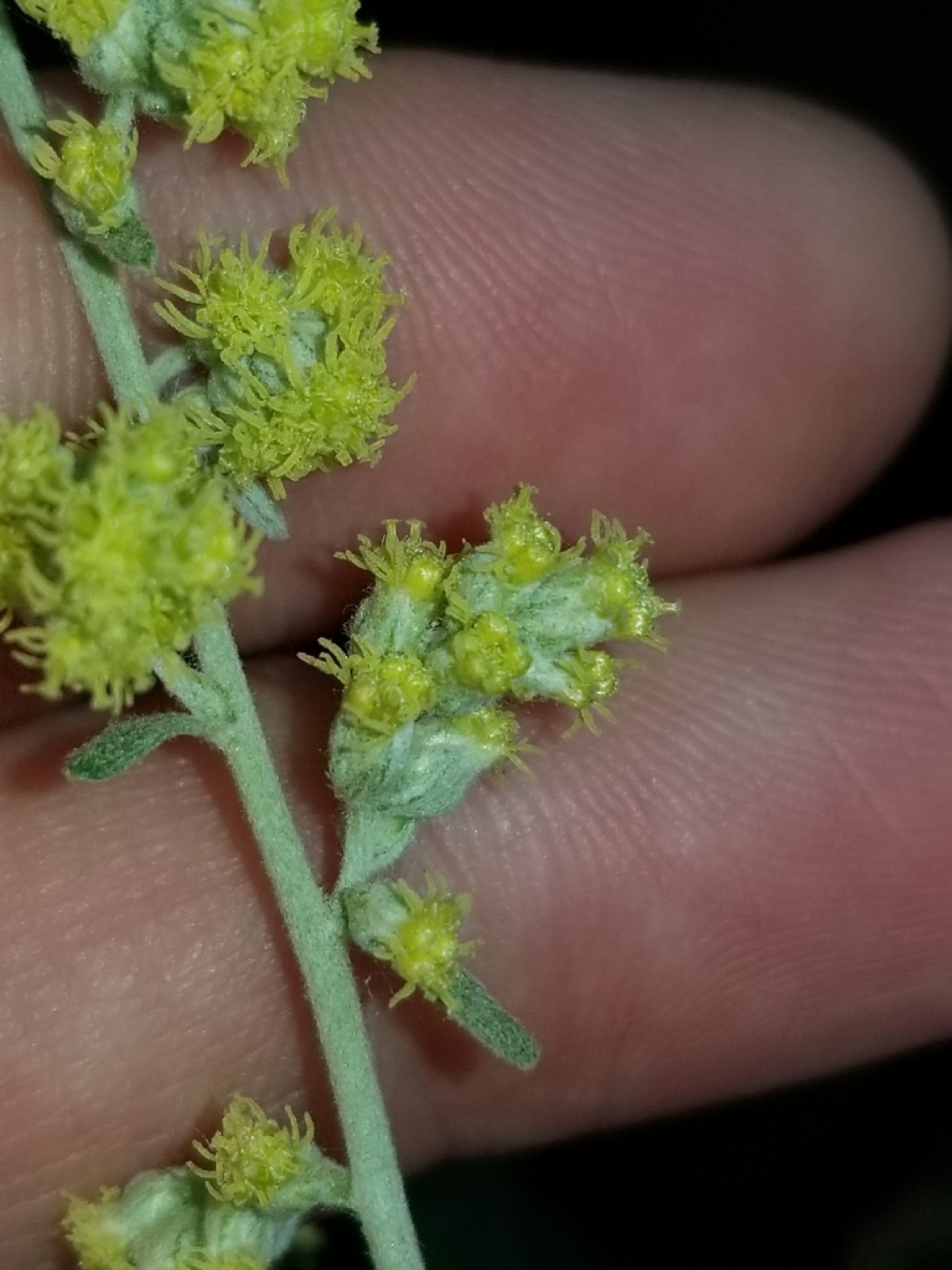 Mugwort 🌿 Artemisia douglasiana also riparian and aromatic; mugwort has a stronger sage-like scent and silvery leaf undersides.