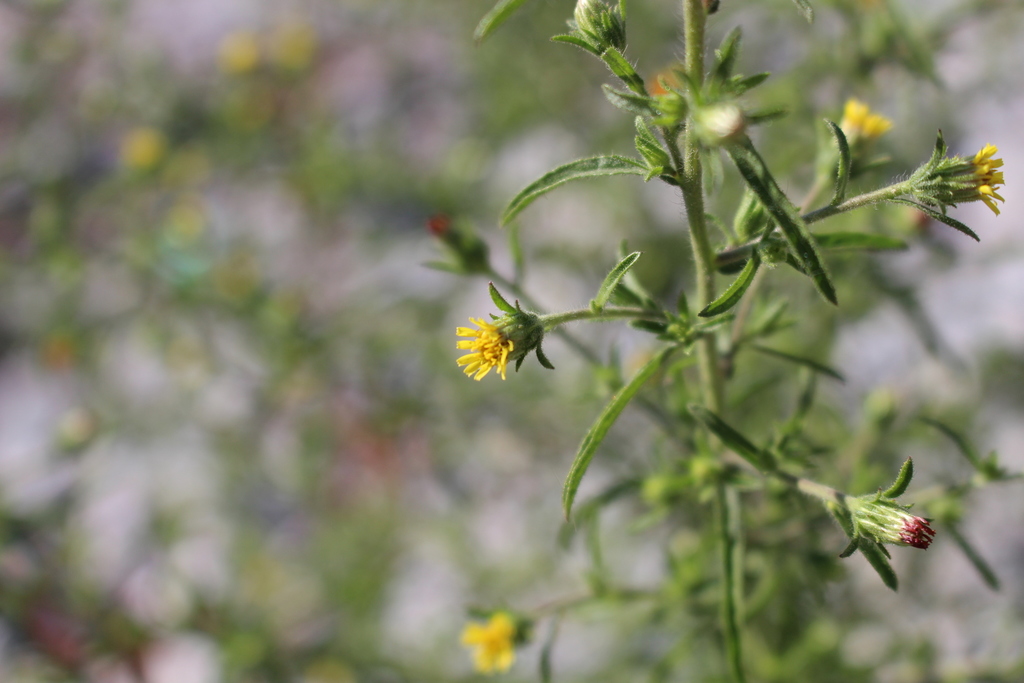
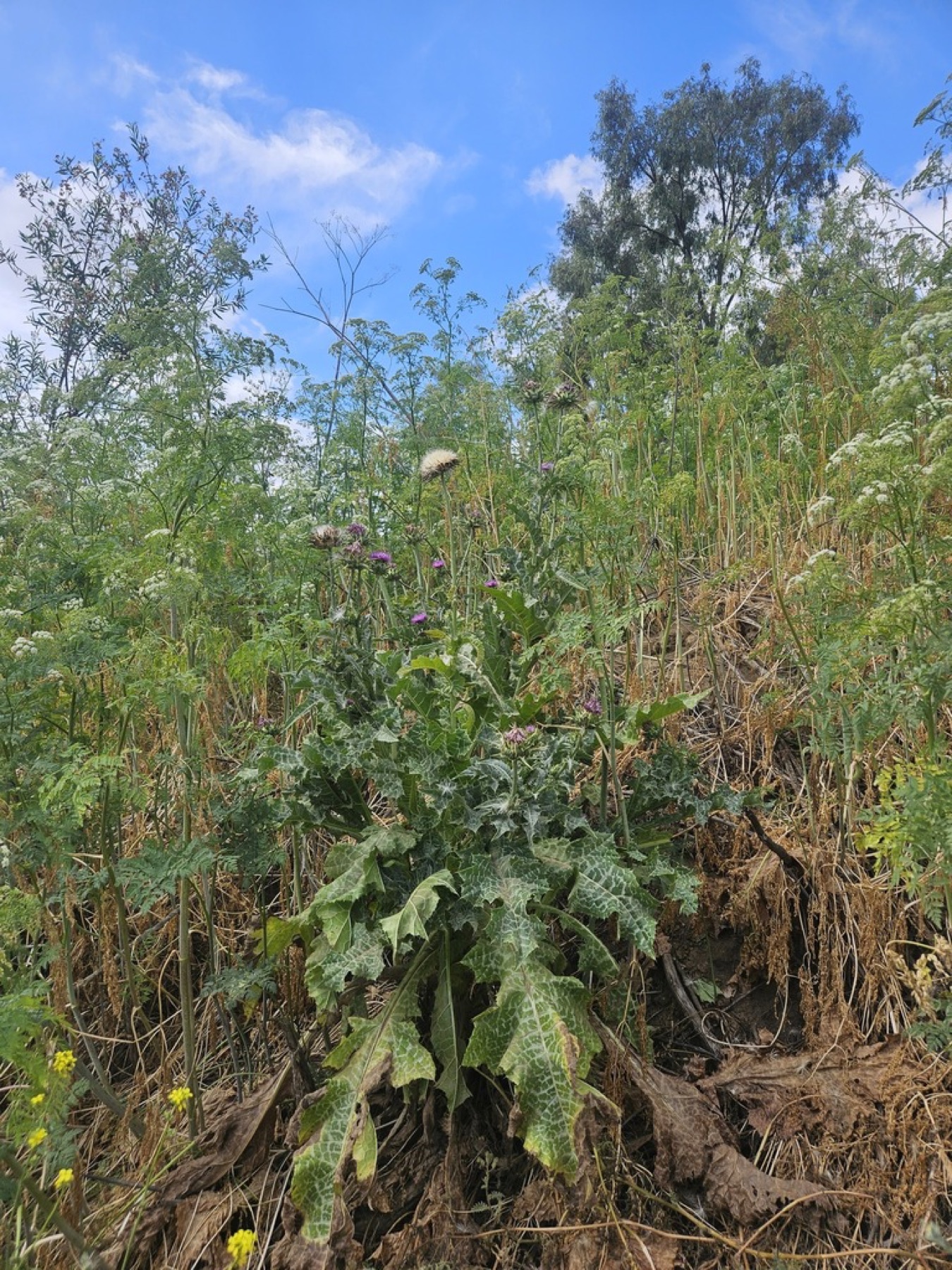
Small Melilot
Melilotus indicus · Fabaceae
- Height
- 1-3 ft
🌍 Non-native — naturalized; not a control priority
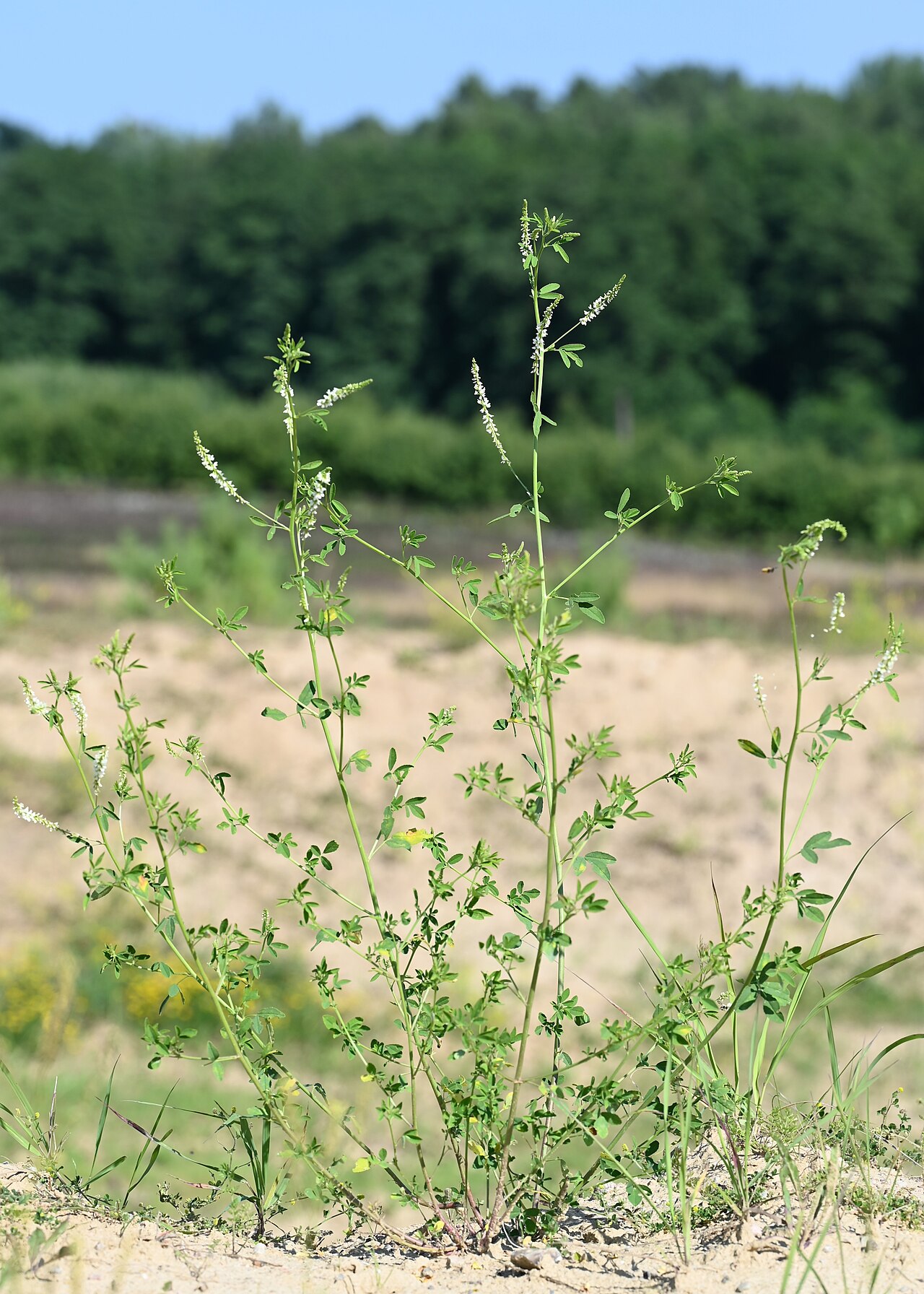
A small, weedy annual sweetclover common on disturbed and damp ground, with clover-like trifoliate leaves and short, dense spikes of tiny yellow pea flowers. Low and bushy compared to its taller white cousin; a frequent volunteer in fields, road edges, and basins.
How it got here: Sourclover came to California as a farm plant, not a garden escape. In the 1920s it was one of the state’s leading winter cover crops, seeded into citrus orchards to fix nitrogen and improve the soil, often mixed with barley, oats, or vetch. It naturalized from there — old accounts note the seed was frequently uncleaned, coming straight from wheat screenings, which would have helped it slip into fields well beyond where anyone planted it on purpose. It’s now a self-sustaining weed of disturbed ground, roadsides, and ditches across California, no longer tied to where growers originally put it.
Commonly confused with: White Sweetclover (Melilotus albus) — taller, with white flowers. Also resembles true clovers (Trifolium) and medicks, but melilots have flowers in elongated spikes rather than round heads.
Where seen near you: iNaturalist — Orange County
Sources: iNaturalist · Wikipedia · Sourclover — UC SAREP Cover Crop Database