Red Willow
Salix laevigata · Salicaceae
- Form
- Tree
- Height
- 20-60 ft
- Sun
- Full Sun
- Water
- High
- Blooms
- Feb, Mar, Apr
- Habitat
- Riparian
🌿 California native
Quick facts · Habitat: Riparian - creekbanks, rivers, wet canyon bottoms · Form / size: Small to medium tree, 20-60 ft · Sun: Full sun · Water: High · Blooms: Late winter-spring catkins · Pollinator value: High
Description
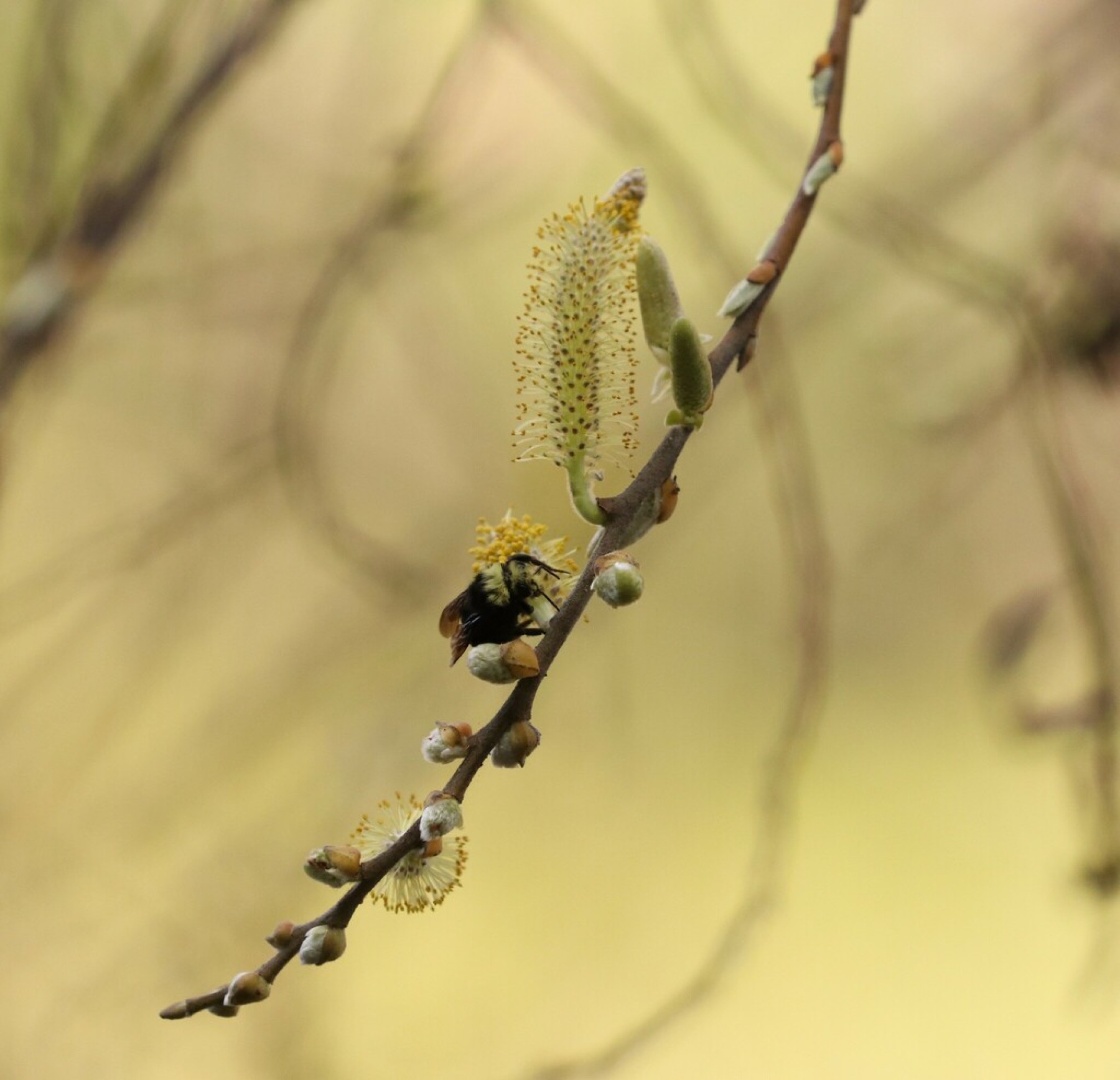
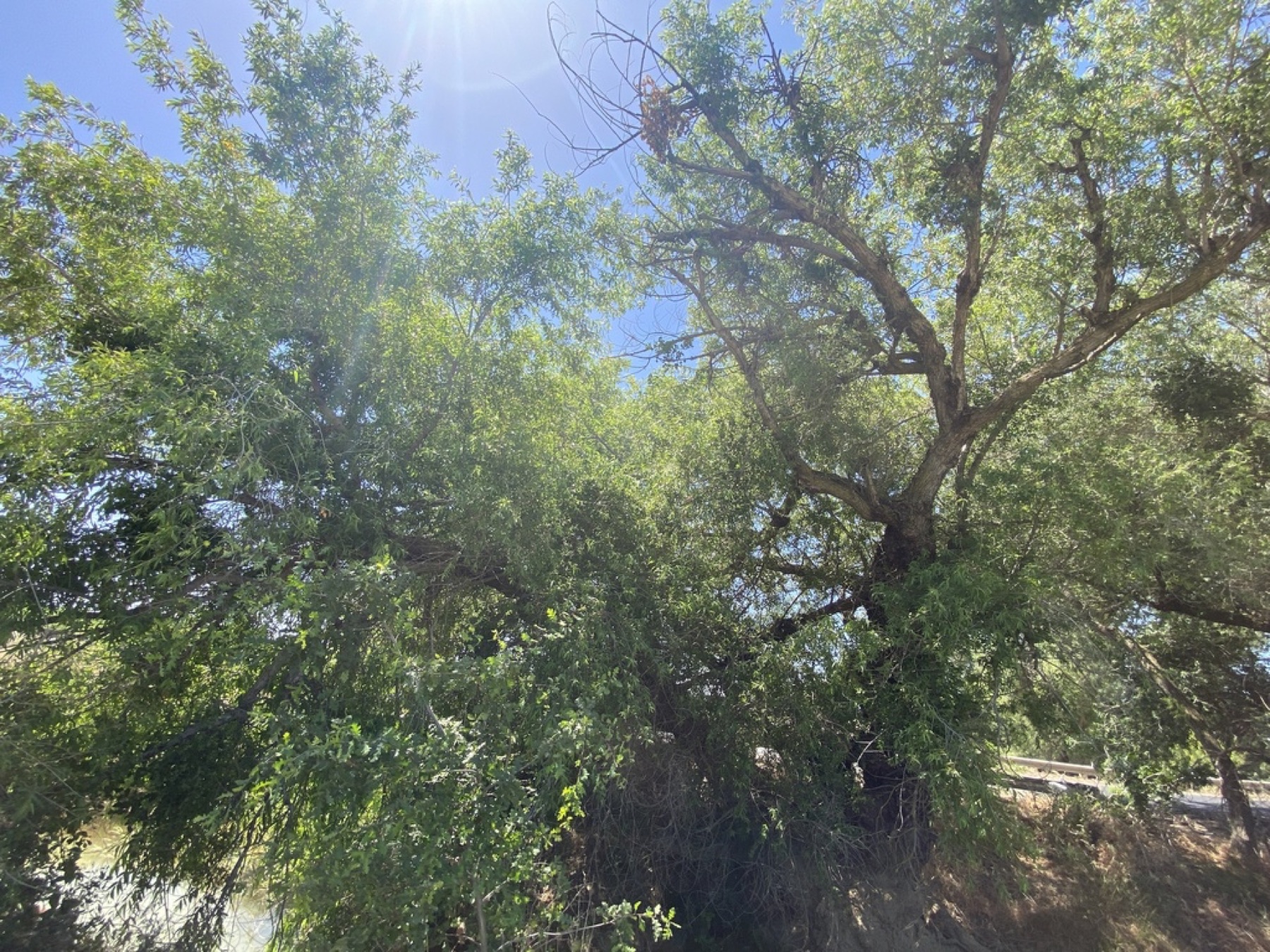
A native willow with smooth reddish to yellowish young twigs, narrow glossy leaves, and spring catkins. It often grows as a small tree or large multi-stemmed tree along active channels.
Ecological role
Red willow blooms in late winter and early spring, its catkins one of the first pollen sources native bees find after dormancy ends. The leaves host butterfly larvae. The roots hold streambanks in place when winter floods gouge channels bare, and the canopy shades the water through summer, keeping it cool enough for steelhead and other native fish. The dense, often multi-stemmed form provides cover and nesting structure for cavity-nesting birds and small animals.
Habitat & range
Creeks, rivers, and wet canyon bottoms across much of cismontane California. In local Riparian corridors it overlaps with Arroyo Willow and Goodding’s Willow.
In the garden
For wet sites only: stream edges, large rain gardens, bioswales, and restoration plantings. It can be coppiced or cut back, but give it room.
Propagation
Very easy from dormant cuttings / live stakes pushed into wet soil in winter. Seed is short-lived and mainly useful when sown fresh.
Where to see it near you
- iNaturalist — observed in Orange County
- Wet canyon bottoms and active creek corridors.
Problems
Willow galls and aphids are common and usually cosmetic. Roots seek water aggressively.