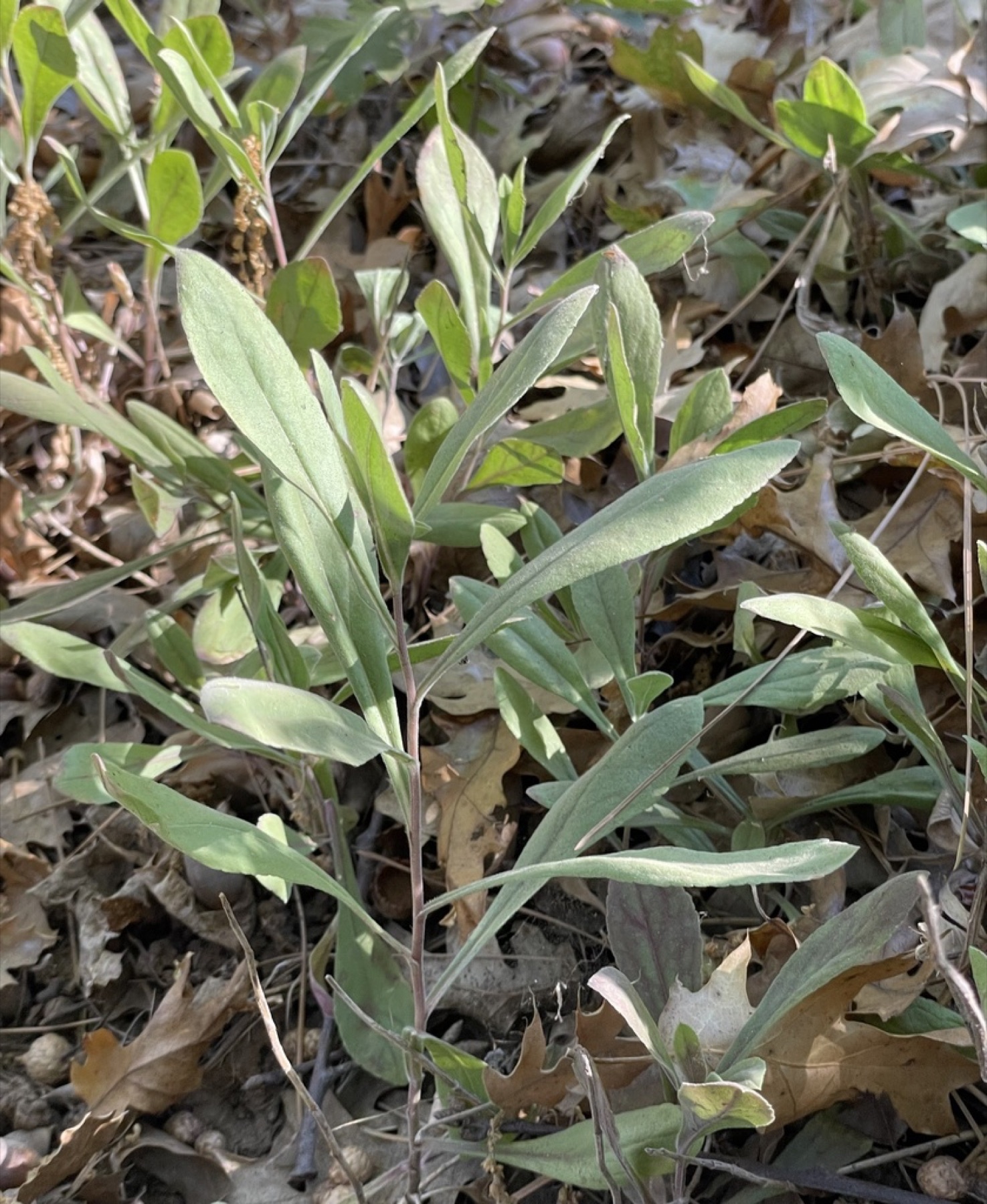
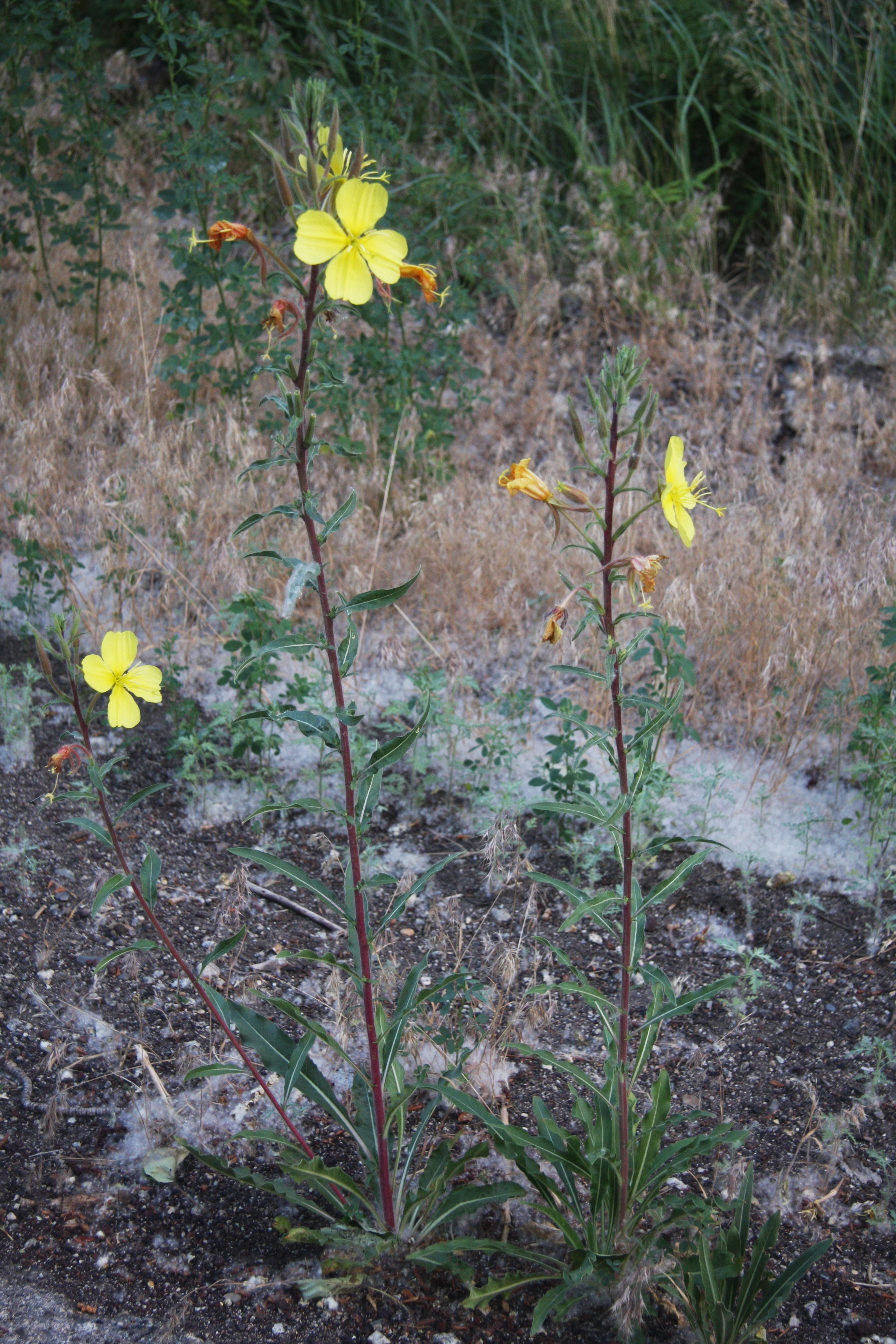
Marsh Fleabane
Pluchea odorata · Asteraceae
- Form
- Perennial herb
- Height
- 2-5 ft
- Sun
- Full Sun
- Water
- Moderate High
- Blooms
- Jul, Aug, Sep, Oct
- Pet toxicity
- Unknown
🌿 California native
Quick facts
- Habitat: Wetland, Riparian, marsh edges
- Form / size: Upright aromatic perennial, 2-5 ft
- Sun: Full sun · Water: Moderate to high
- Blooms: Summer-fall · Pollinator value: High
Description
An upright, aromatic wetland aster with soft, slightly sticky foliage and clusters of pinkish-purple flower heads. It looks weedy at a glance, but in bloom it becomes a busy insect plant.
Wildlife & pollinators
Strong late-season pollinator value for native bees, flies, butterflies, and other small insects.
Habitat & range
Marsh edges, damp ditches, pond margins, wet disturbed ground, and riparian openings. Most visible where soil stays damp into summer.
In the garden
Good for rain gardens, pond edges, bioswales, and pollinator plantings with seasonal moisture. Give it space and expect a loose, informal shape.
Propagation
From seed or softwood cuttings. Seed can be surface-sown; young plants need steady moisture.
Where to see it near you
- iNaturalist — observed in Southern California
- Marsh edges, wet ditches, and pond margins.
Problems
Can look rangy after bloom. Cut back after seed if you want a tidier restoration edge.
Sources
Commonly confused with
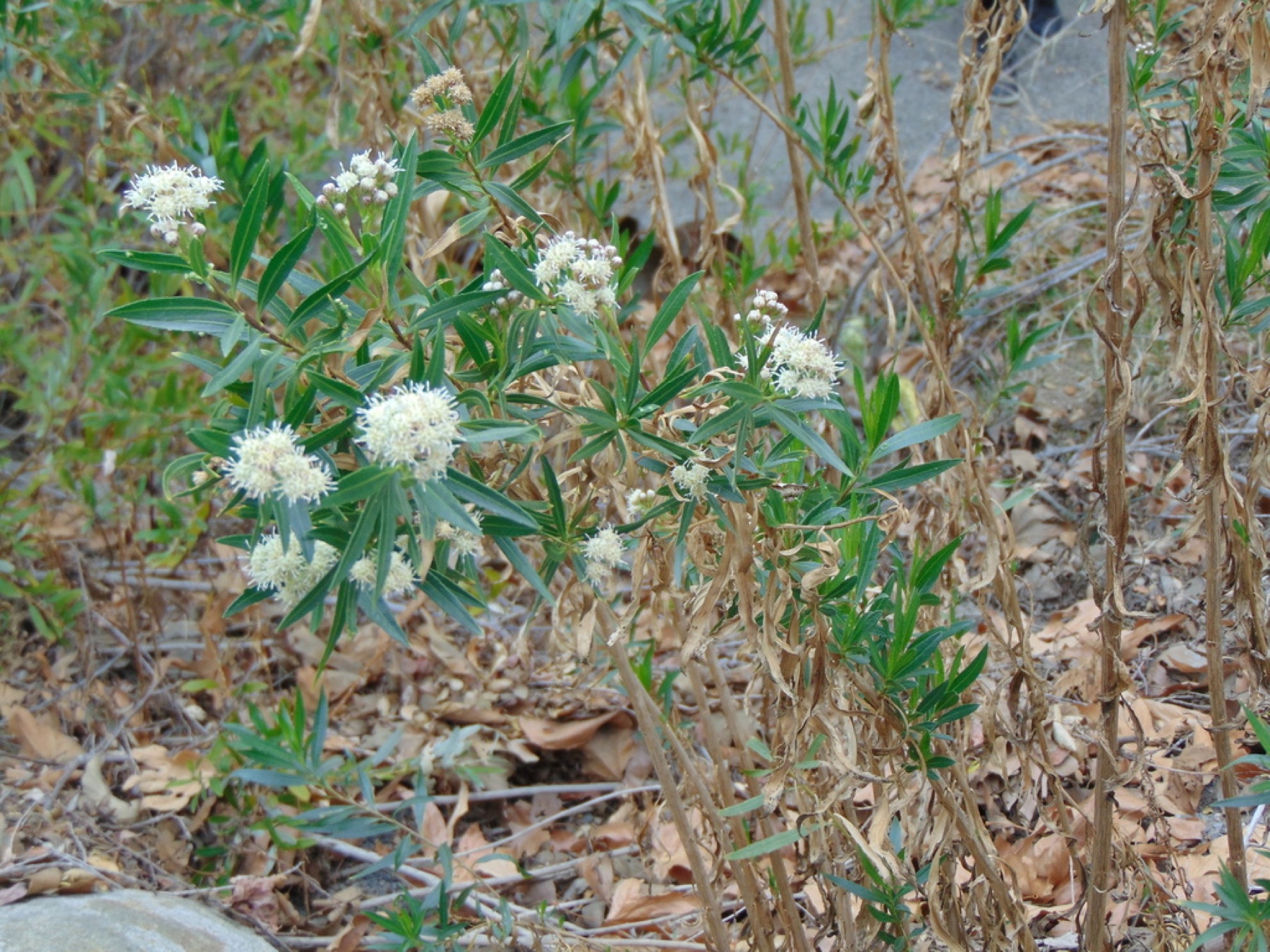 Mule Fat 🌿 Baccharis salicifolia also damp-ground and shrubby, but mule fat has willow-like leaves and white brushy flower heads.