Seep Monkeyflower
Erythranthe guttata · Phrymaceae
- Form
- Perennial
- Height
- 6-30 in
- Sun
- Part Shade
- Water
- High
- Blooms
- Mar, Apr, May, Jun, Jul, Aug
Erythranthe guttata (syn. Mimulus guttatus) - Phrymaceae
🌿 California native
Quick facts · Habitat: Seeps, springs, wet stream edges, shaded banks · Form / size: Soft perennial, 6-30 in · Sun: Part shade to sun · Water: High · Blooms: Spring-summer · Pollinator value: High
Description
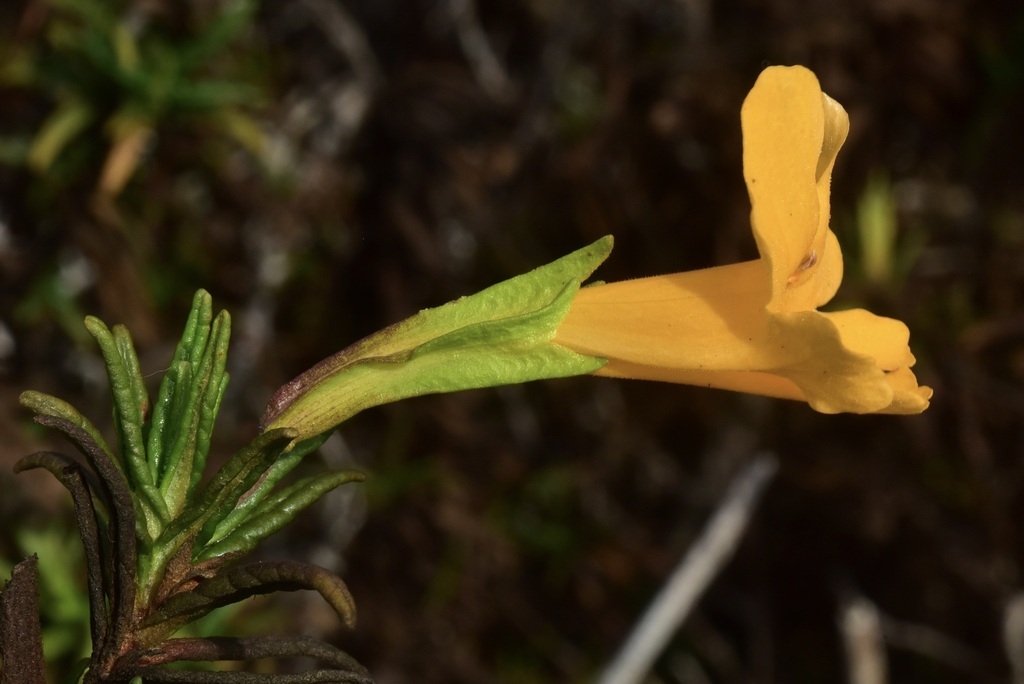
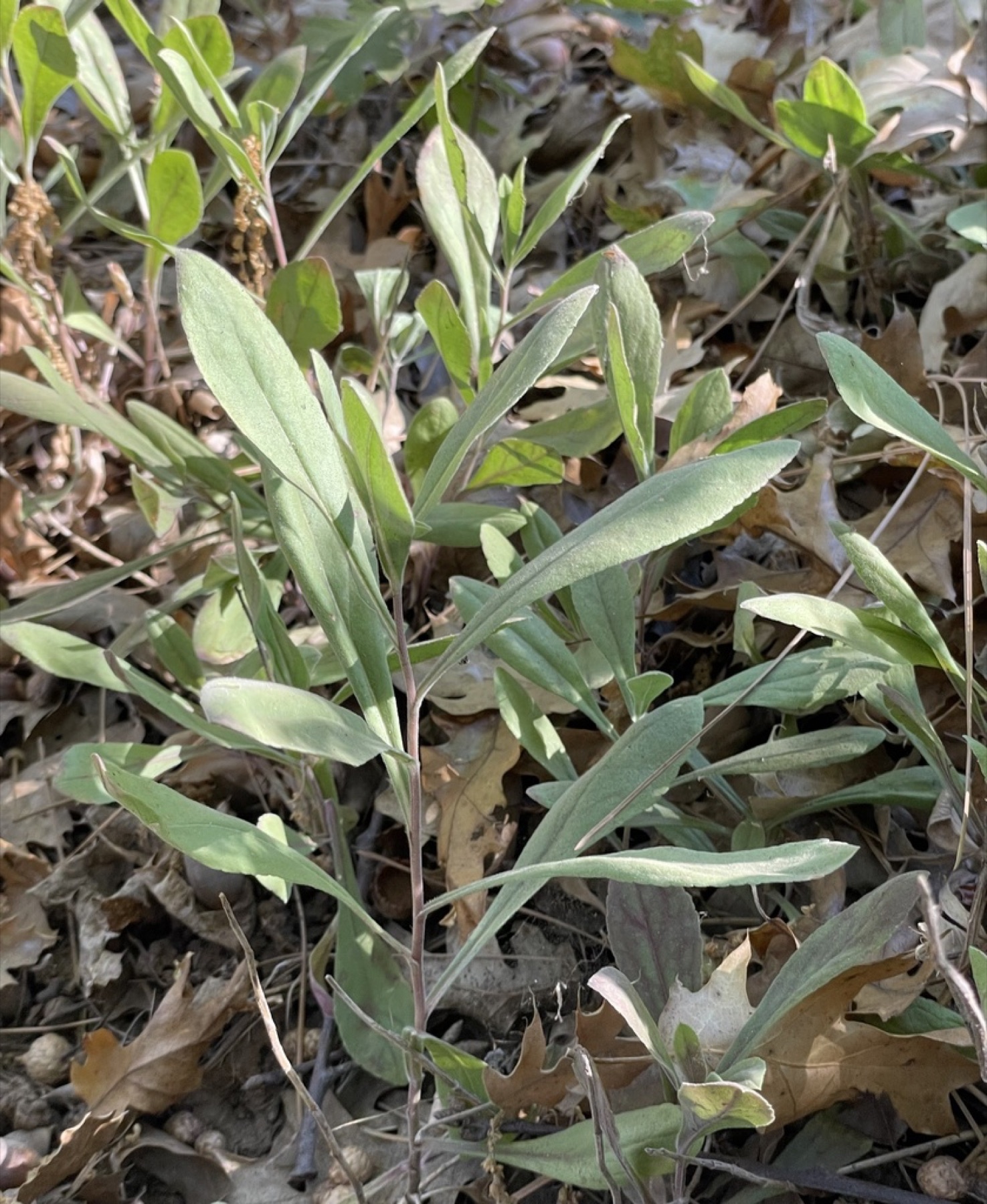
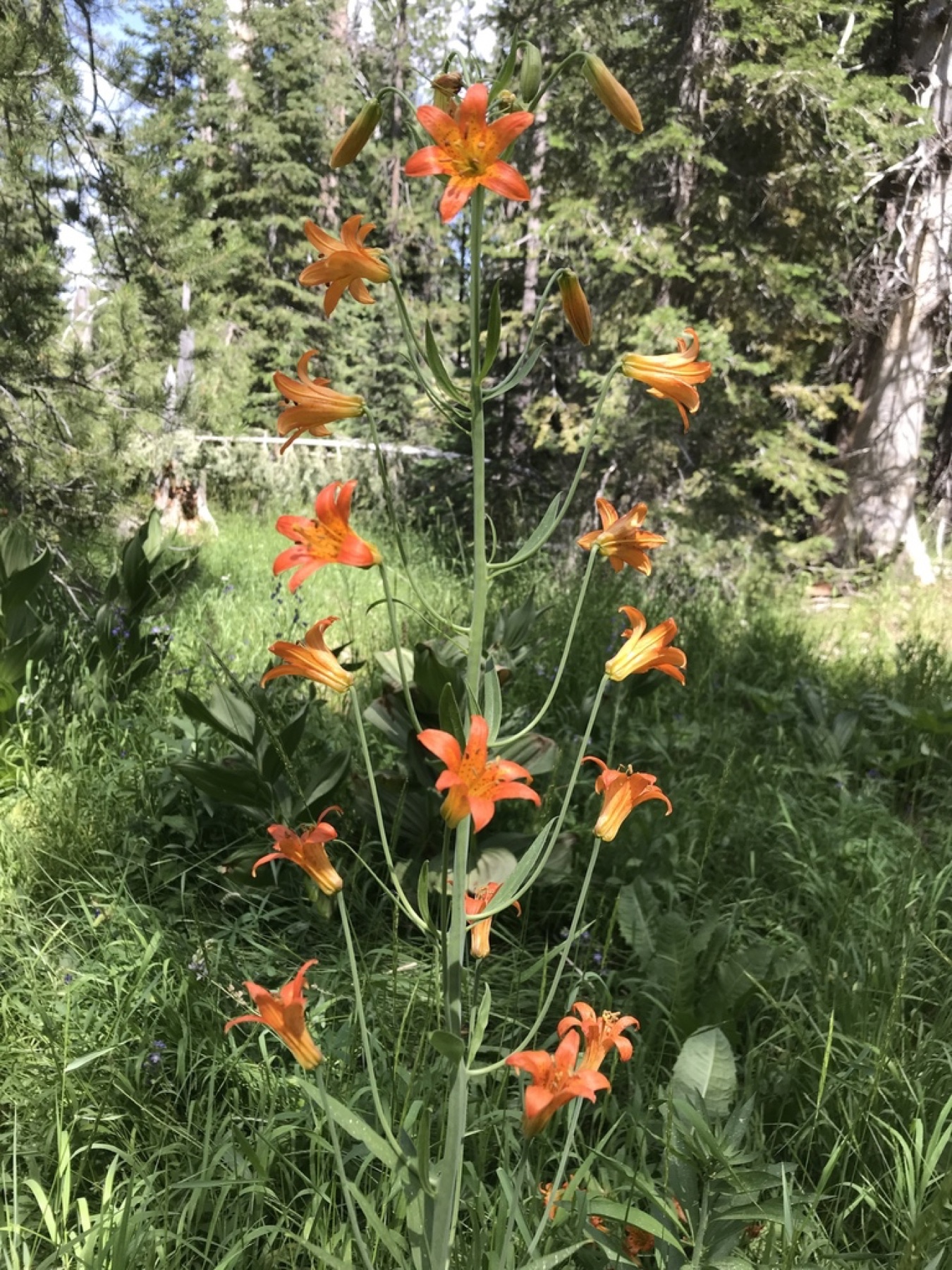
A cheerful wet-edge monkeyflower with soft green leaves and bright yellow, two-lipped flowers often marked with red spots in the throat. It can be lush and upright in spring, then shrink back when the site dries.
Indigenous & historical use
Seep monkeyflower’s leaves were eaten across a wide range of its territory. The Miwok boiled the leaves as a vegetable, and Mendocino-area peoples used them as a lettuce substitute. Its uses went beyond food: the Kawaiisu took a decoction of the stems and leaves as a steam-bath treatment for chest and back soreness, the Shoshoni applied a poultice of the crushed leaves to wounds and rope burns, and the Yavapai drank a decoction as a tea for stomachache.
Ecological role
Seep monkeyflower blooms for six months straight, March through August, when many riparian plants have either faded or haven’t yet begun to flower. That timing opens a consistent source of nectar and pollen for bees, hummingbirds, and butterflies during a gap when other food sources are thin. A six-month bloom span is, in effect, infrastructure for pollinators that time their activity to the seasonal calendar.
Habitat & range
Seeps, springs, wet rock faces, streambanks, ditches, and marshy edges. In dry Southern California, seeing it usually means there is dependable moisture nearby.
In the garden
Excellent for a small seep, pond edge, fountain runoff, or rain garden low spot. It wants consistent moisture and some protection from brutal afternoon heat.
Propagation
Easy from seed sown on moist soil or by cuttings/division from rooted stems. Keep seedlings damp.
Where to see it near you
- iNaturalist — observed in Orange County
- Seeps, wet canyon bottoms, and shaded stream edges.
Problems
Can disappear during dry spells and return from seed or roots. Snails may chew lush growth.
Sources
- Calscape · iNaturalist · Wikipedia
- Indigenous use: Native American Ethnobotany Database (NAEB) — Erythranthe guttata / Mimulus guttatus · Moerman, Native American Ethnobotany (Mimulus guttatus)