Common Three-square
Schoenoplectus pungens · Cyperaceae
- Form
- Perennial
- Height
- 2-5 ft
- Sun
- Full Sun
- Water
- High
- Blooms
- May, Jun, Jul, Aug, Sep
🌿 California native
Quick facts · Habitat: Marsh edges, pond margins, slow creek edges · Form / size: Rhizomatous bulrush, 2-5 ft · Sun: Full sun · Water: High / wet soil · Blooms: Summer · Pollinator value: Low
Description
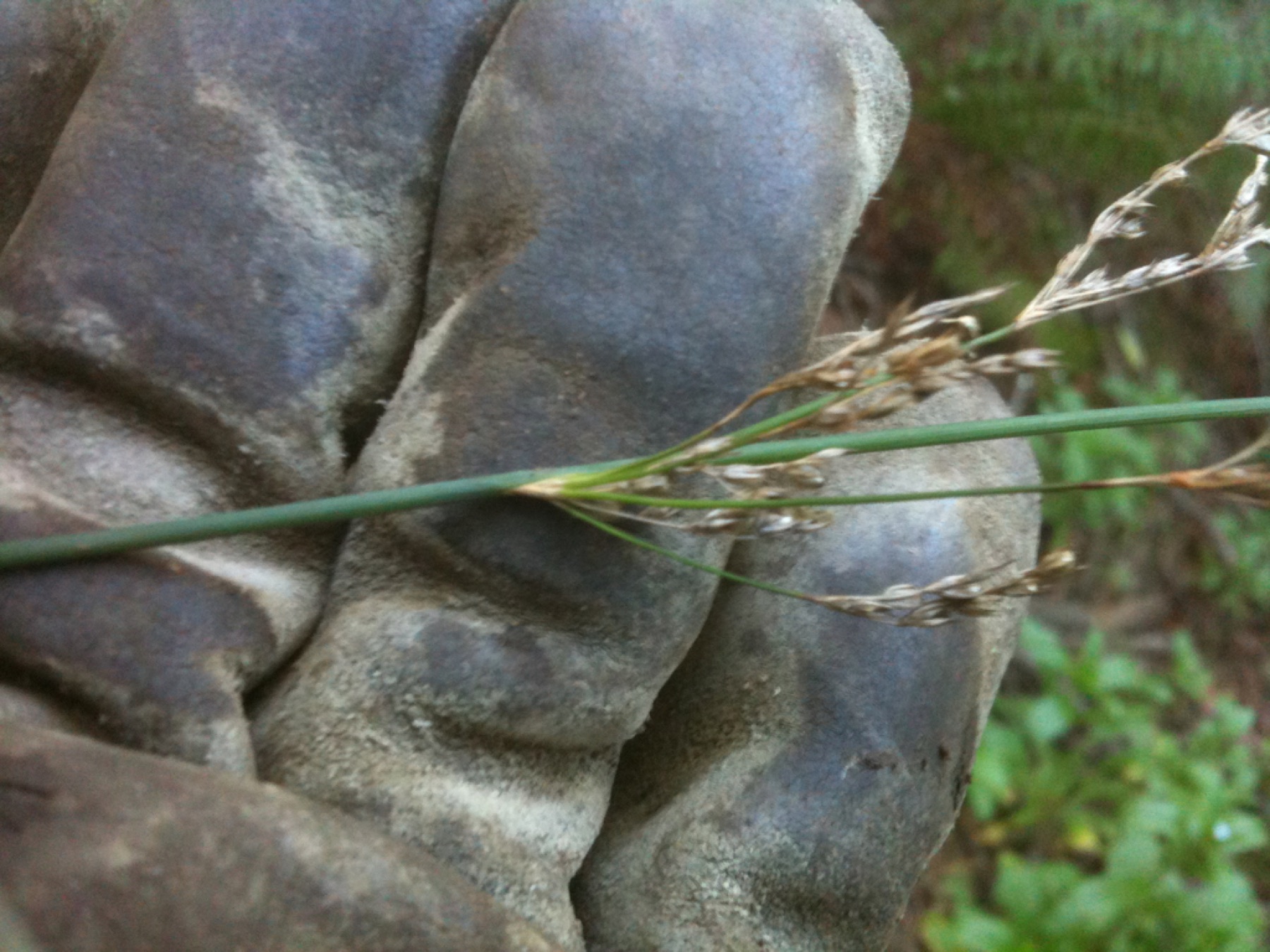
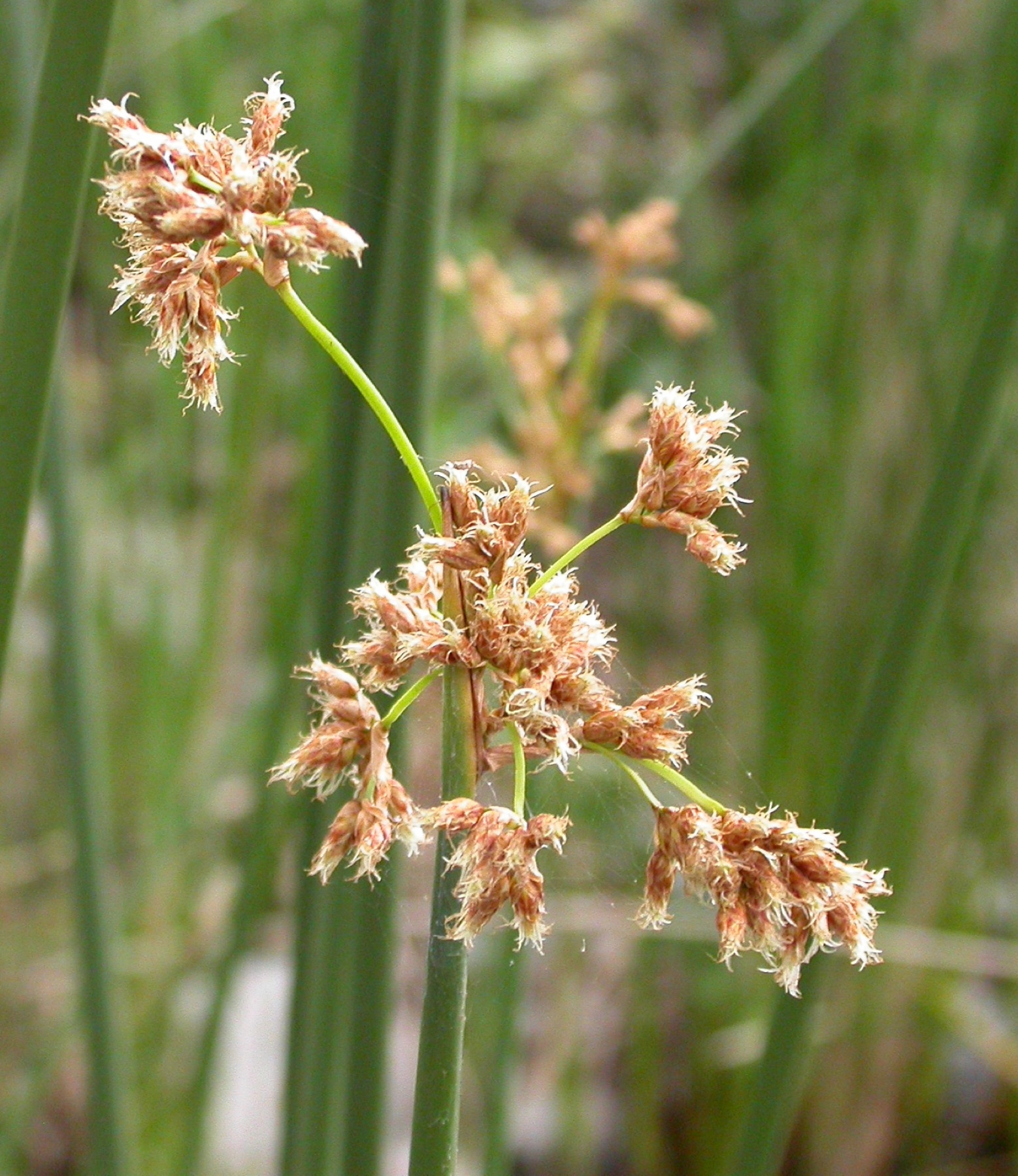
A wetland bulrush with firm, triangular stems and small brown flower clusters near the stem tips. The “three-square” name is a reminder to feel the stem: it has three distinct sides.
Indigenous & historical use
In the marshes of Western Nevada and the Great Basin, the Northern Paiute parched and ground three-square seeds into a flour that was cooked as mush, a use recorded in Catherine Fowler’s work on Northern Paiute marsh resources. The seed was one thread in a wider marsh economy of tule and bulrush that also supplied matting and cordage.
Ecological role
Common three-square spreads through marshes with triangular stems rising dense and close together. It locks the muddy shoreline in place and breaks the wind across open water. Marsh birds nest into the dense clumps, dabbling ducks find shelter at the base, and amphibians breed in the shallow water around the shoots. Seeds feed waterfowl and marsh birds. It blooms from May through September, when many other marsh plants have already gone to seed, and wetland insects move through the dense foliage to feed and lay eggs. The small brown flower clusters are wind-pollinated and inconspicuous. Three-square spreads by rhizomes, so it comes back fast after disturbance: when fire moves through tule and bulrush marshes, the rhizomes survive and rebuild the structure, a real advantage in fire-adapted wetlands.
Habitat & range
Marshes, pond margins, slow stream edges, wet ditches, and brackish or fresh wetland edges. It is more of a true wetland plant than a general creekside shrub.
In the garden
Good for pond margins, constructed wetlands, and the wettest zone of a rain garden. It spreads by rhizomes, so use where a patch is desired or contain it.
Propagation
Easy by division of rhizomes. Seed can be sown on saturated soil or mud.
Where to see it near you
- iNaturalist — observed in Orange County
- Marsh edges, pond margins, and slow wet channels.
Problems
Spreads in wet soil. Cut old stems in winter if a tidier look is needed.
Sources
- Calscape · iNaturalist · Wikipedia
- Indigenous use: Fowler, Tule Technology: Northern Paiute Uses of Marsh Resources in Western Nevada (1990) · Moerman, Native American Ethnobotany (Schoenoplectus pungens)