California Gray Rush
Juncus patens · Juncaceae
- Form
- Perennial
- Height
- 1-3 ft
- Sun
- Full Sun
- Water
- Moderate
- Blooms
- May, Jun, Jul, Aug
🌿 California native
Quick facts · Habitat: Seeps, streambanks, wet meadows, rain gardens · Form / size: Upright rush, 1-3 ft · Sun: Full sun to part shade · Water: Moderate to high · Blooms: Late spring-summer · Pollinator value: Low
Description
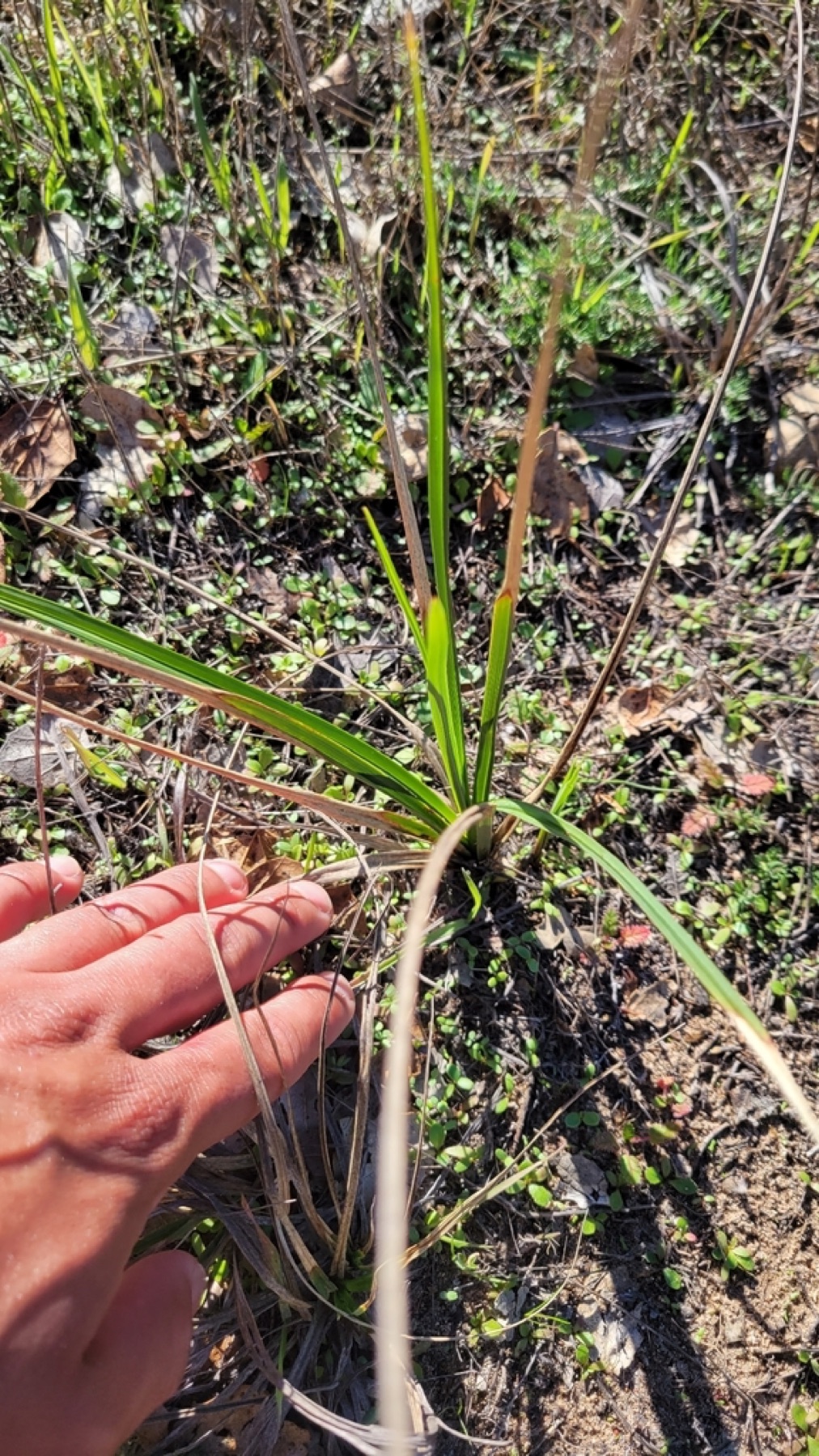
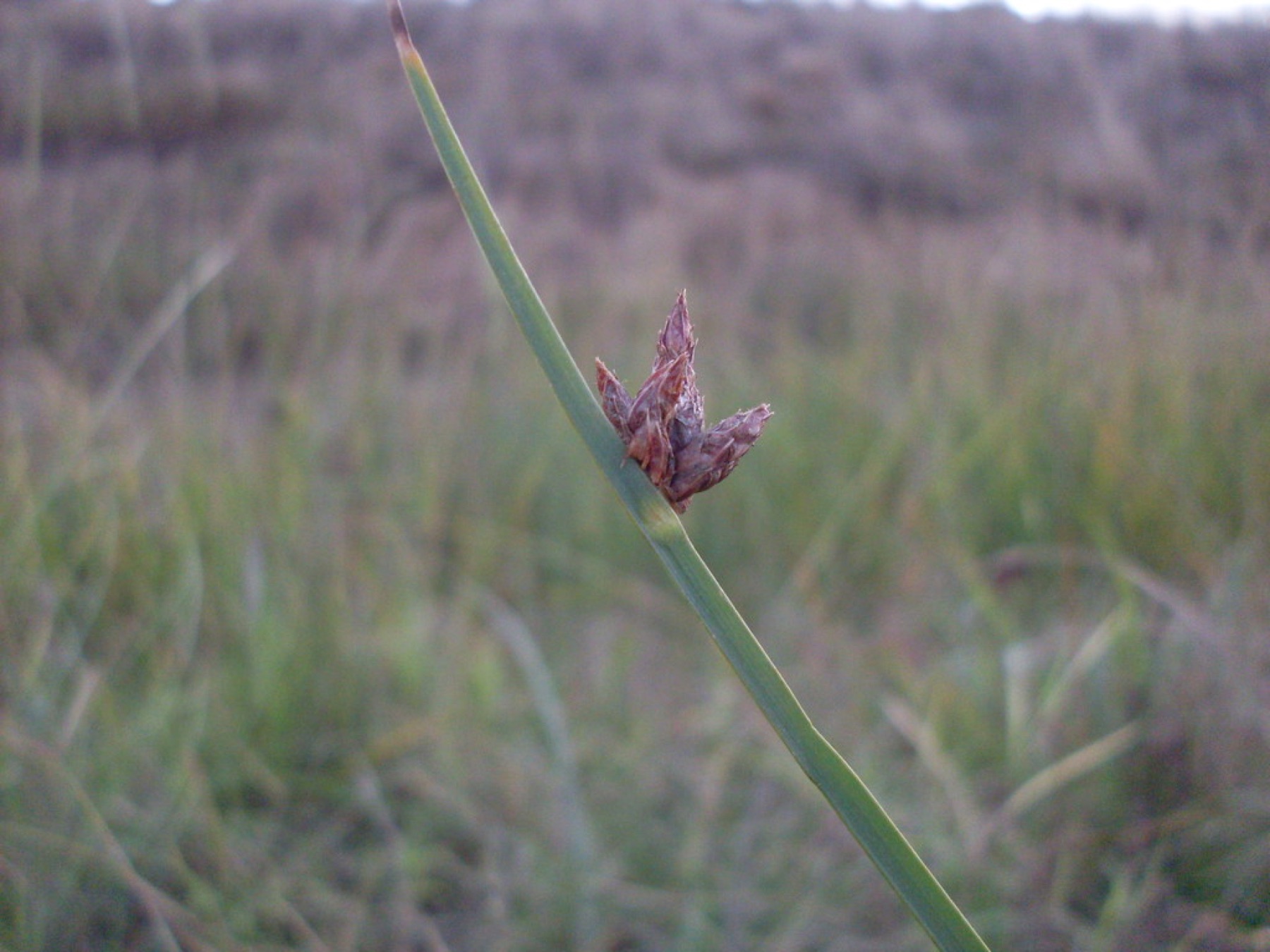
A clean, upright rush with round gray-green stems and small brown flower clusters emerging from the side of the stem. The overall look is architectural and calm, especially in repeated drifts.
Ecological role
Wind-pollinated with minimal insect value, California gray rush’s ecological job is mostly structural. Dense clumps stabilize wet soil and streambanks, and they create microhabitat: amphibians, aquatic insects, and wetland birds use the tangle of stems for cover and nesting. Unlike the taller bulrushes, gray rush stays low enough not to shade out the water, letting light through where a dense tule stand would not, while its clumps still help cool the water surface. In modern restoration it’s valued for this precise scale — small enough for rain gardens and bioswales where a four-foot bulrush would be overwhelming, yet functional for the same kind of soil stabilization larger bulrushes provide.
Habitat & range
Moist ground, seeps, marsh edges, streambanks, and wet meadows along the West Coast and into Baja California.
In the garden
One of the best native rushes for rain gardens, bioswales, pond edges, and modern native plantings. It tolerates periodic wetness and some summer dry-down once established, but looks best with occasional water.
Propagation
Easy by division. Seed can be sown fresh, but divisions establish faster.
Where to see it near you
- iNaturalist — observed in Orange County
- Seeps, wet meadow edges, pond margins, and planted bioswales.
Problems
Low trouble. Can brown at the tips if kept too dry.