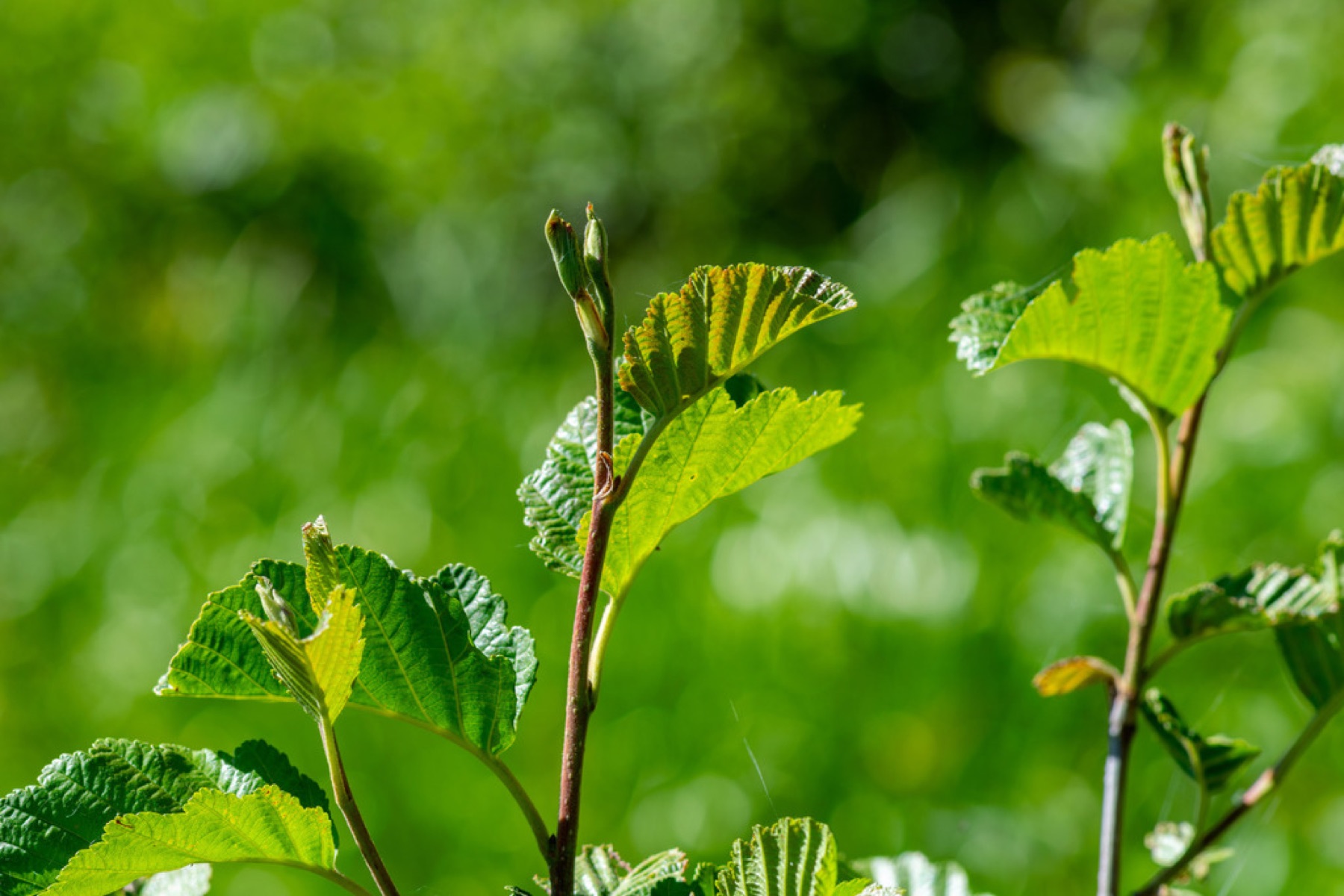
Bigelow's Sneezeweed
Helenium bigelovii · Asteraceae
- Form
- Perennial
- Height
- 1–4 ft
- Sun
- Full Sun
- Water
- High
- Blooms
- Jun, Jul, Aug, Sep
🌿 California native
Quick facts
- Habitat: Wet montane meadows, seeps, and Riparian streambanks
- Form / size: Erect wet-meadow perennial, 1–4 ft
- Sun: Full sun · Water: High (wet soil)
- Blooms: Domed yellow daisies with swept-back rays, summer–fall · Pollinator value: High
Description
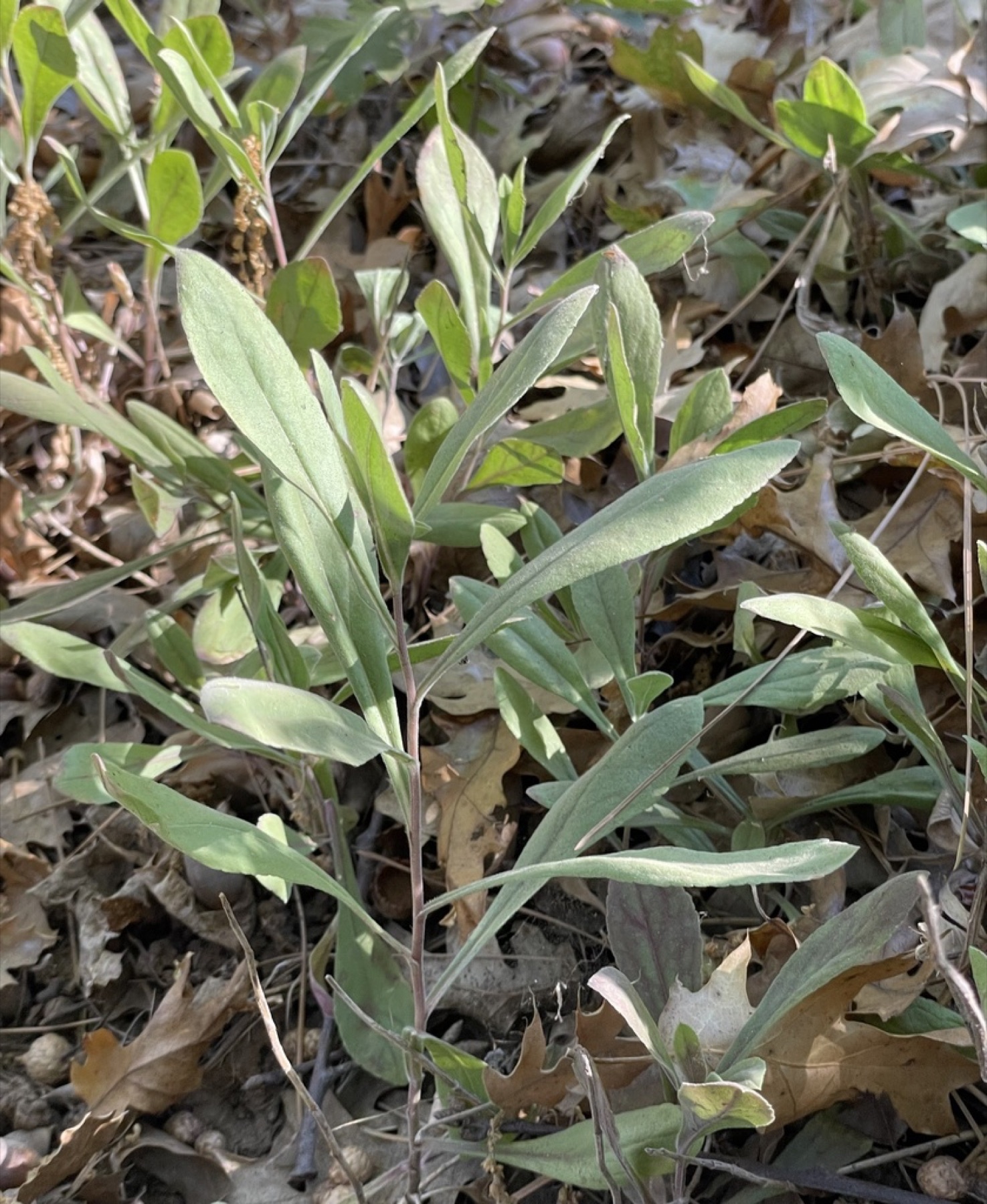
A striking yellow daisy of wet mountain meadows. From a basal rosette, erect stems one to four feet tall carry showy heads about an inch and a half to two inches across. The identifying detail is the shape: fourteen to twenty bright-yellow ray florets that are wedge-shaped, three-toothed at the tip, and bend backward, around a prominent dome- to globe-shaped disc of up to several hundred tiny florets that ages brown. The leaves are alternate and narrow, and their bases run down the stem as narrow wings, a hallmark of the genus. Despite the name, it does not cause hay fever; “sneezeweed” comes from a related plant’s dried heads once used as a snuff.
Ecological role
Bigelow’s sneezeweed is a wetland plant of wet meadows, fens, marsh edges, and streambanks, a moisture indicator that persists only where the water table stays high. Its long bloom, from early summer into fall, fills a late-season nectar and pollen gap for montane bees and butterflies in yellow-pine, red-fir, lodgepole, and subalpine forest meadows. Its foliage carries bitter compounds that grazers avoid, one reason it can persist in grazed mountain meadows.
Habitat & range
Wet montane meadows, seeps, and streambanks through the Sierra Nevada, roughly 3,000 to 10,000 ft, most abundant on the wetter west slope and in northwestern California. It grows in the Lake Tahoe basin (documented at Mt. Rose Meadows on the northeast rim) and in the Eastern Sierra around June Lake and Mammoth Lakes.
In the garden
A strong summer-to-fall pollinator plant for bog gardens, rain gardens, and pond or stream edges. It needs consistently moist to wet soil and is not drought-tolerant, but it tolerates many soil types, including clay, as long as the moisture is reliable. Full sun; cut it back after bloom.
Propagation
From seed surface-sown on moist soil (it germinates better with light), with cold-moist stratification for mountain-collected seed. Established clumps can be divided in early spring; keep the divisions wet until they root.
Where to see it near you
- iNaturalist — observed across California (map)
- Wet meadows around Lake Tahoe (Mt. Rose Meadows) and the Eastern Sierra (June Lake, Mammoth area).
Sources
Commonly confused with
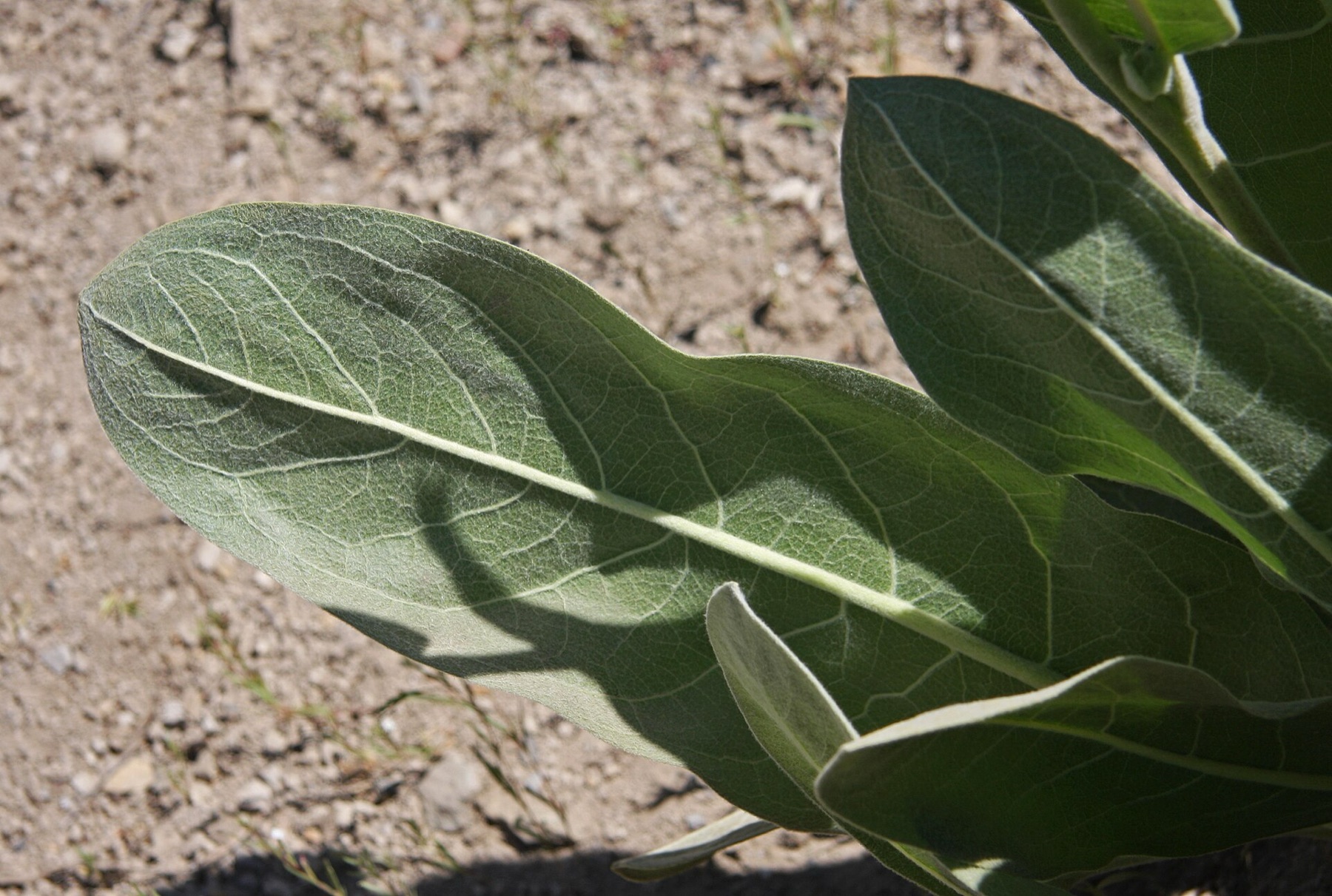 Woolly Mule's Ears 🌿 Wyethia mollis shares meadow edges but has huge coarse basal leaves and a flat center, unlike this fine-leaved plant with a domed brown-yellow disc.