Corn Lily
Veratrum californicum · Melanthiaceae
- Form
- Perennial
- Height
- 3–7 ft
- Sun
- Part Shade
- Water
- High
- Blooms
- Jun, Jul, Aug
- Pet toxicity
- High
🌿 California native
At a glance
- Large, lush wet-meadow plant
- All parts toxic if eaten
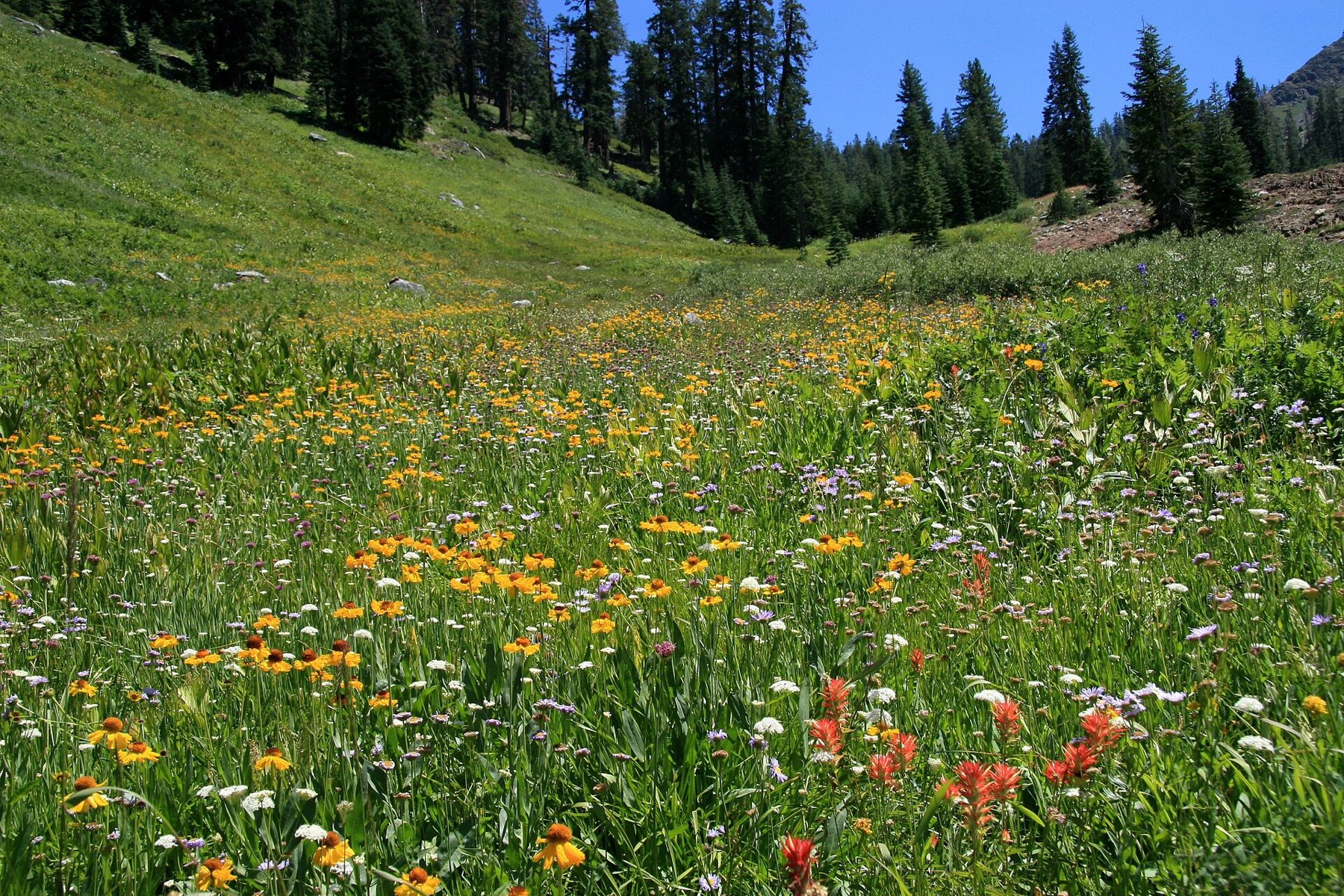
- Habitat: Wetland margins, wet Montane meadows, and lush streamside ground
Description
A bold, almost tropical-looking mountain plant with huge pleated leaves and tall flower stalks of many small pale greenish flowers. In Mammoth-area wet meadows it can make dense waist-high patches that are impossible to miss.
Wildlife & pollinators
Provides structure in lush meadow systems; flowers are visited by insects.
Habitat & range
Wet meadows, seeps, creek margins, and snowmelt-fed flats in mountain country, especially where soils stay moist well into summer.
In the garden
Not a practical general-garden plant. It wants real moisture and cold winters, and the toxicity makes it a poor casual choice.
Propagation
From seed or division in specialist settings, but usually best appreciated in the wild.
Where to see it near you
- iNaturalist — observed across California (map)
- Wet meadow country around Mammoth, the June Lake Loop, and other moist parts of the Eastern Sierra.
Sources
Commonly confused with
🌿 Corn / ornamental lily-like foliage at a glance but corn lily grows in wet cold mountain meadows, with broad pleated leaves arising from a thick basal stem.
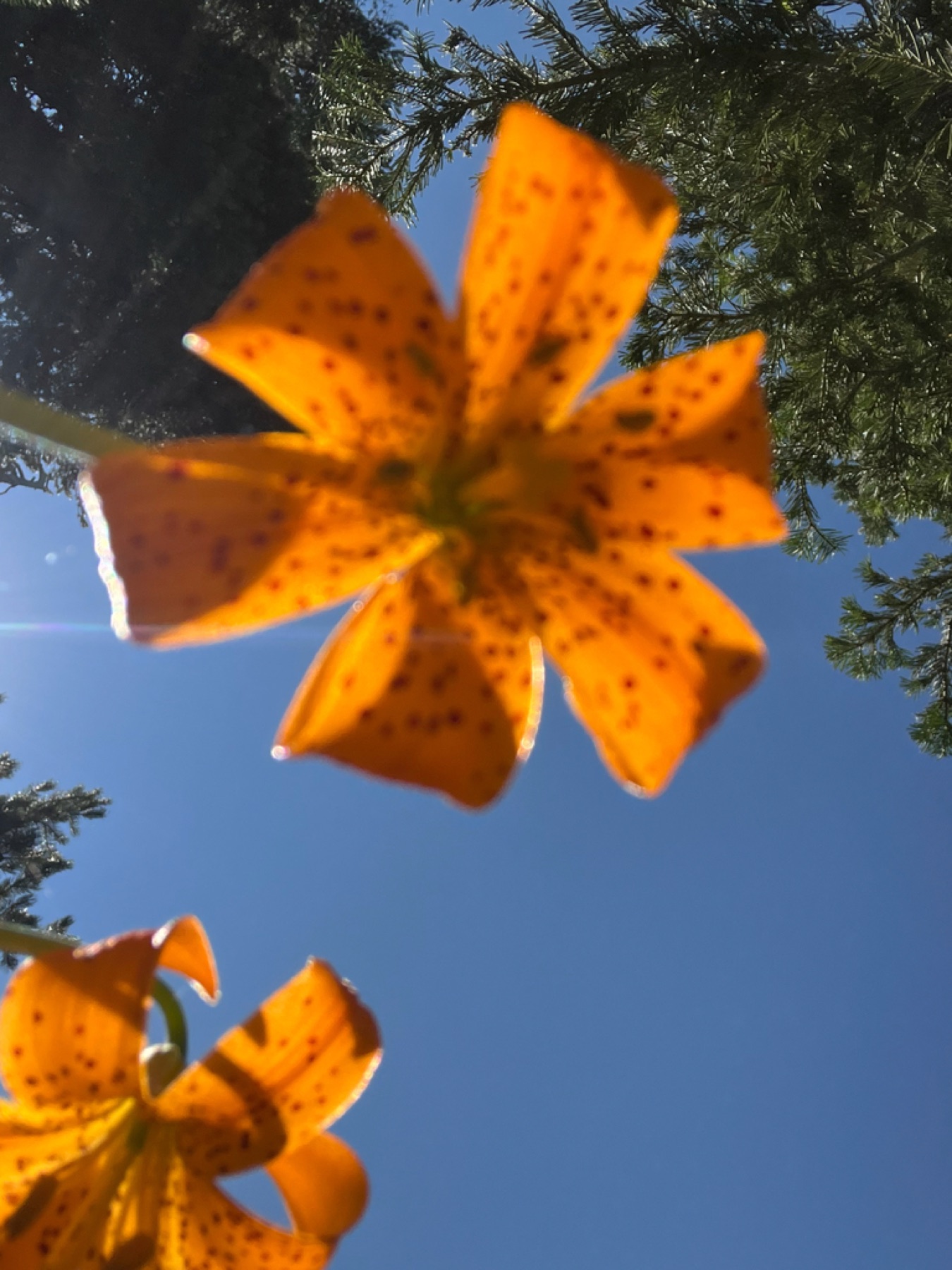 Kelley's Lily 🌿 Lilium kelleyanum Kelley's lily has fewer, showier orange flowers; corn lily has huge leaves and many small greenish flowers in a branched plume.