Kelley's Lily
Lilium kelleyanum · Liliaceae
- Form
- Perennial
- Height
- 2–5 ft
- Sun
- Part Shade
- Water
- Moderate
- Blooms
- Jun, Jul, Aug
- Pet toxicity
- High
🌿 California native
Quick facts
- Habitat: Moist Montane meadows, creek edges, and lush Riparian pockets
- Form / size: Showy lily, 2–5 ft
- Sun: Part shade to sun · Water: Moderate
- Blooms: Summer orange-red flowers · Pollinator value: High
Description
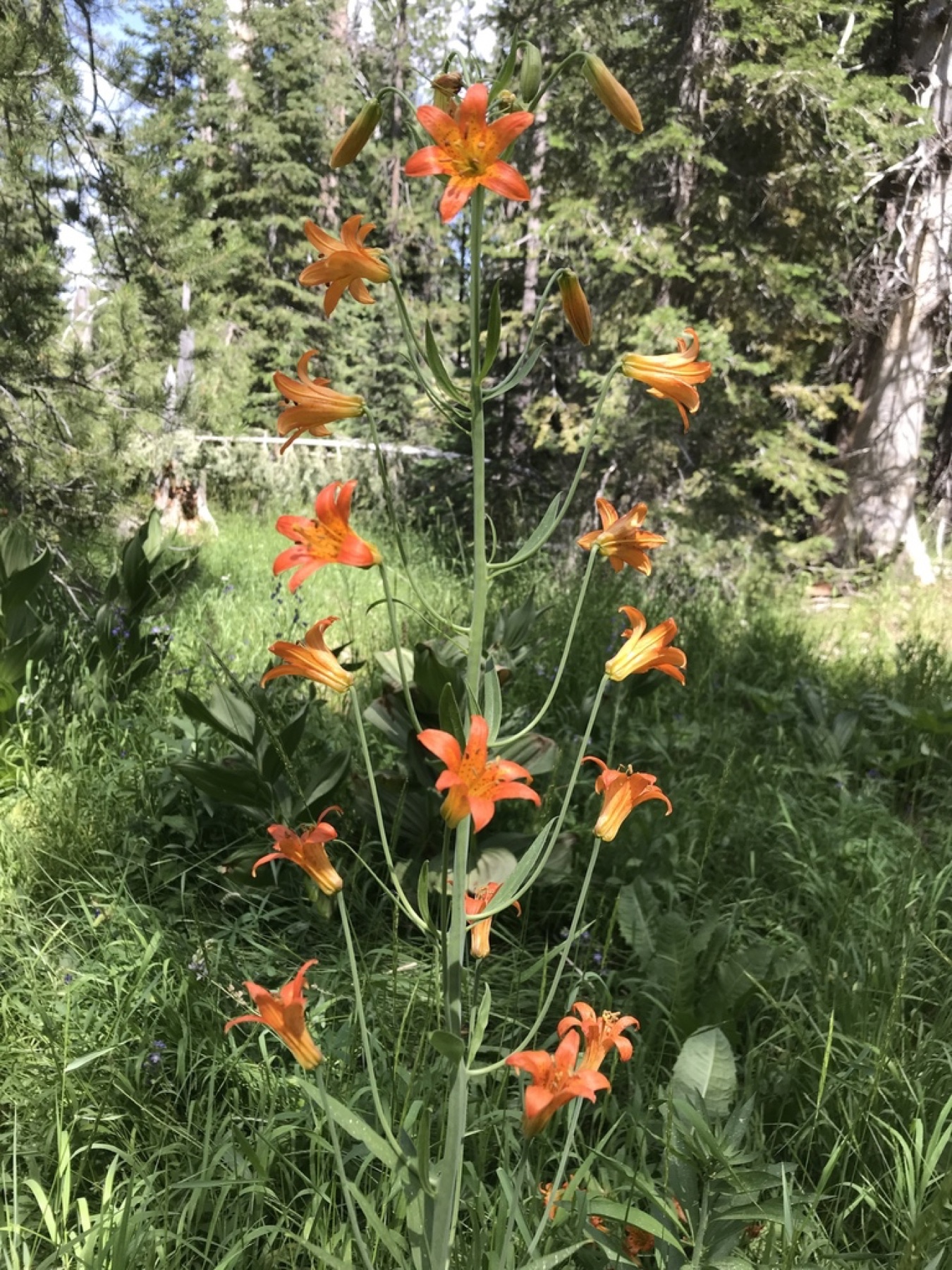
A striking Sierra lily with tall stems and nodding orange to reddish flowers, often spotted inside and strongly recurved at the tips. It is a true “stop the walk” plant when blooming along creeks or wet meadows.
Wildlife & pollinators
Visited by bees and other flower-seeking insects; contributes a major visual pulse in summer meadow systems.
Habitat & range
Moist montane forest openings, meadows, and stream edges in the Sierra, including the Mammoth and June Lake area.
In the garden
Beautiful but fussy. Wants cool roots, moisture without rot, and protection from browsing and bulb predation.
Propagation
From seed or bulb offsets, but slow and specialized compared with easier garden lilies.
Where to see it near you
- iNaturalist — observed across California (map)
- Moist meadows and creek corridors around Mammoth and the Eastern Sierra high country.
Sources
Commonly confused with
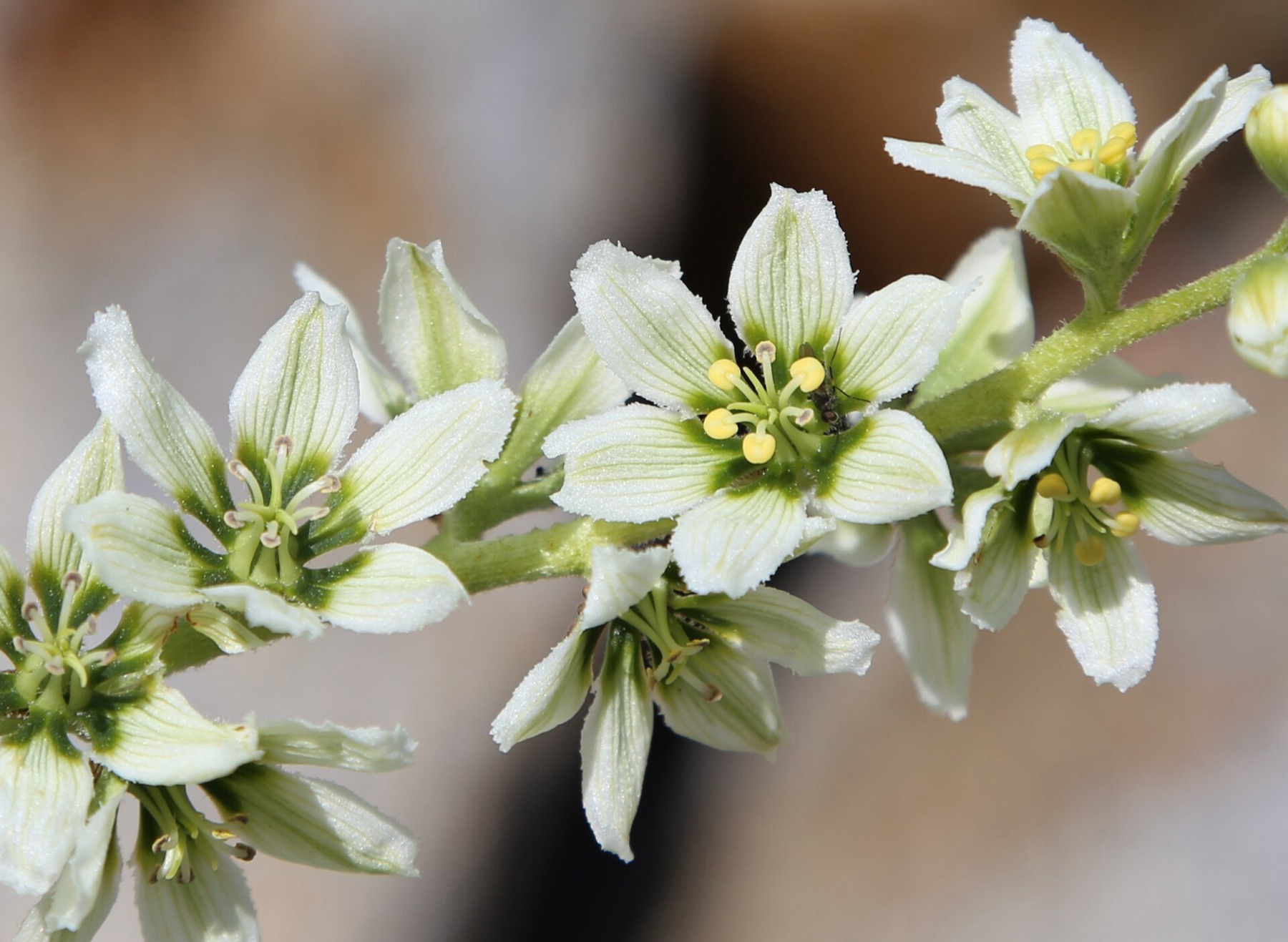 Corn Lily 🌿 Veratrum californicum both can occur in wet meadows, but Kelley's lily has whorled narrower leaves and large nodding orange flowers; corn lily has huge pleated leaves and many small pale flowers.
 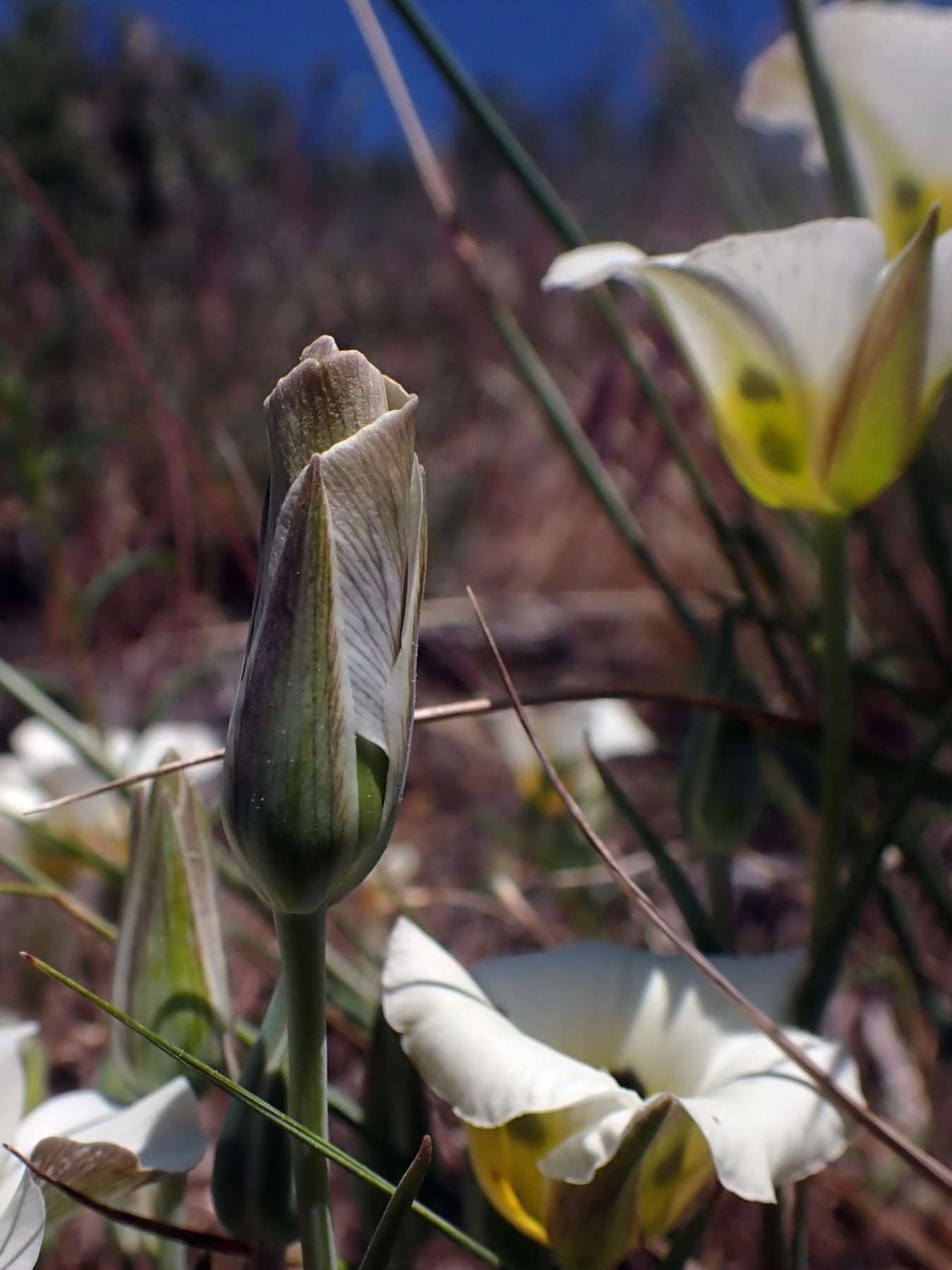 Leichtlin's Mariposa Lily 🌿 Calochortus leichtlinii mariposa lilies have upright cup flowers and much finer leaves.