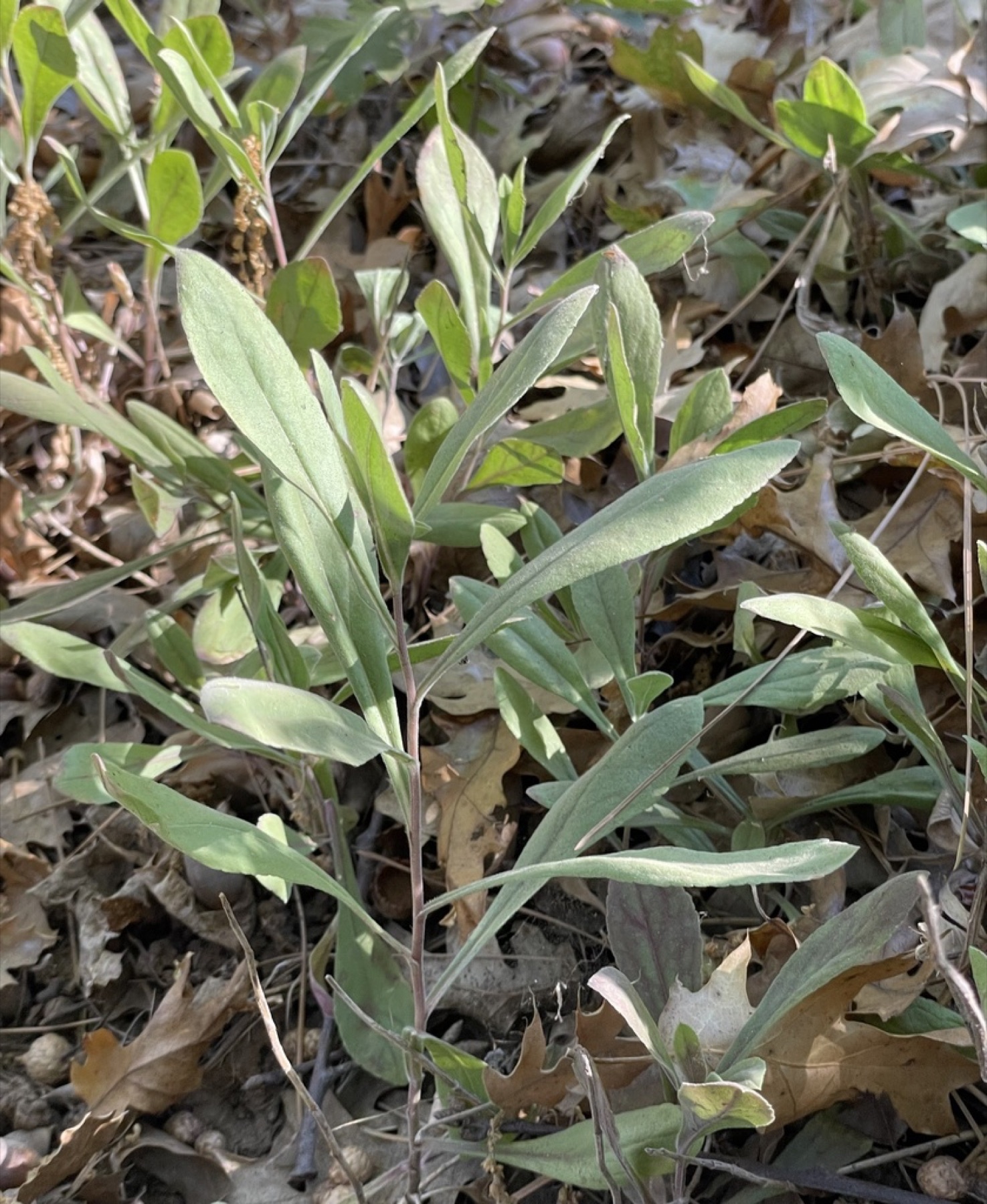
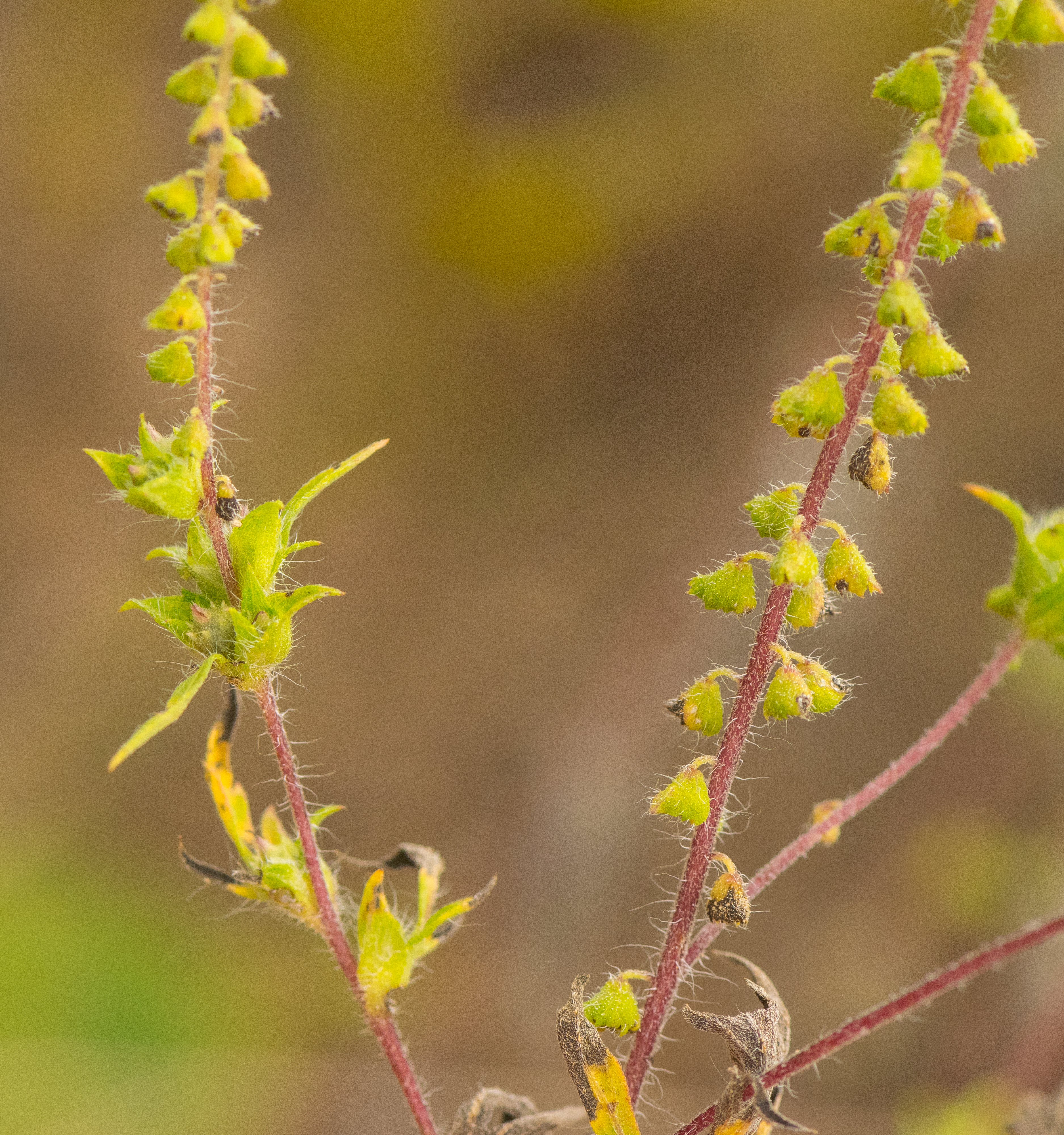
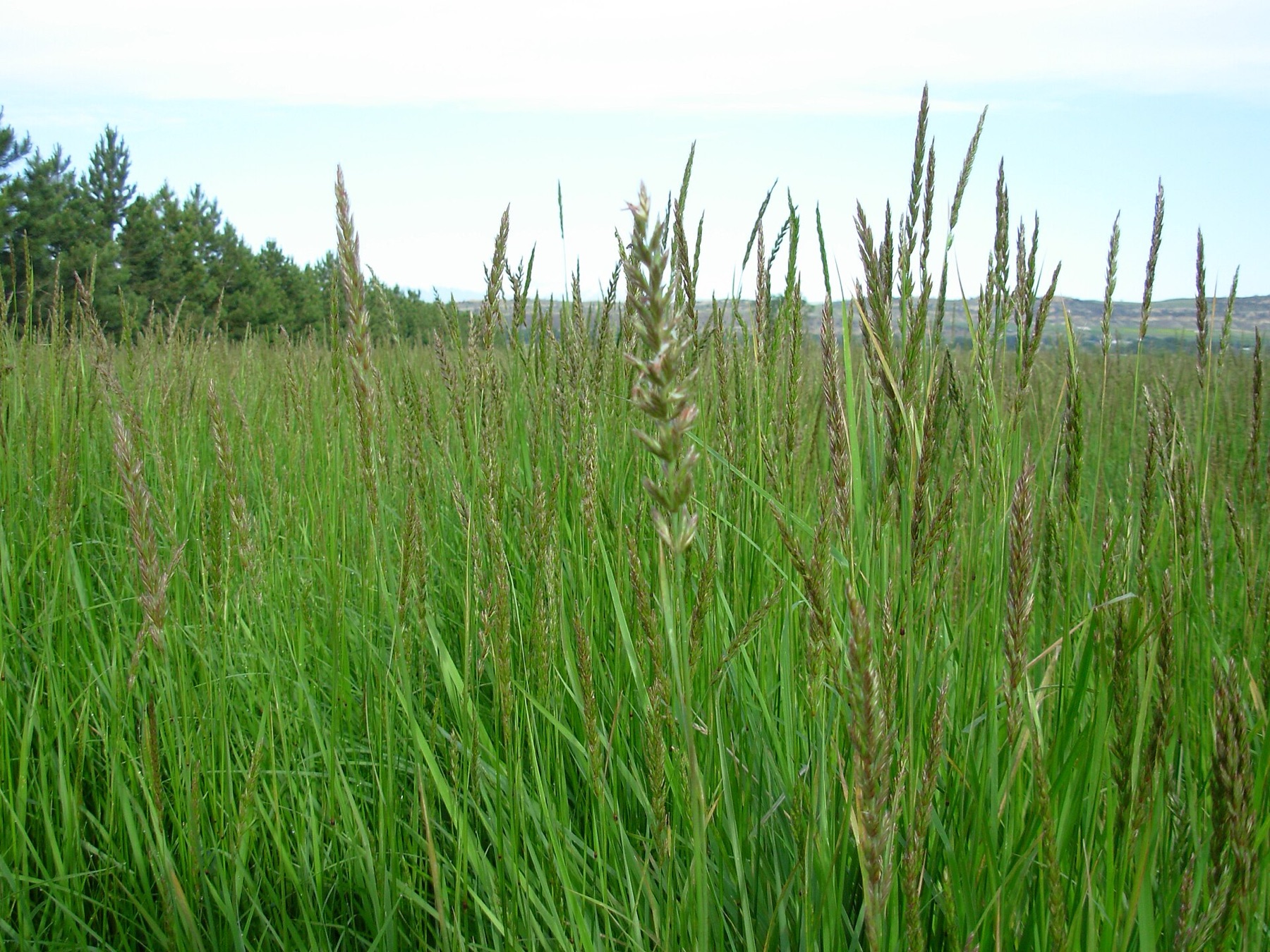
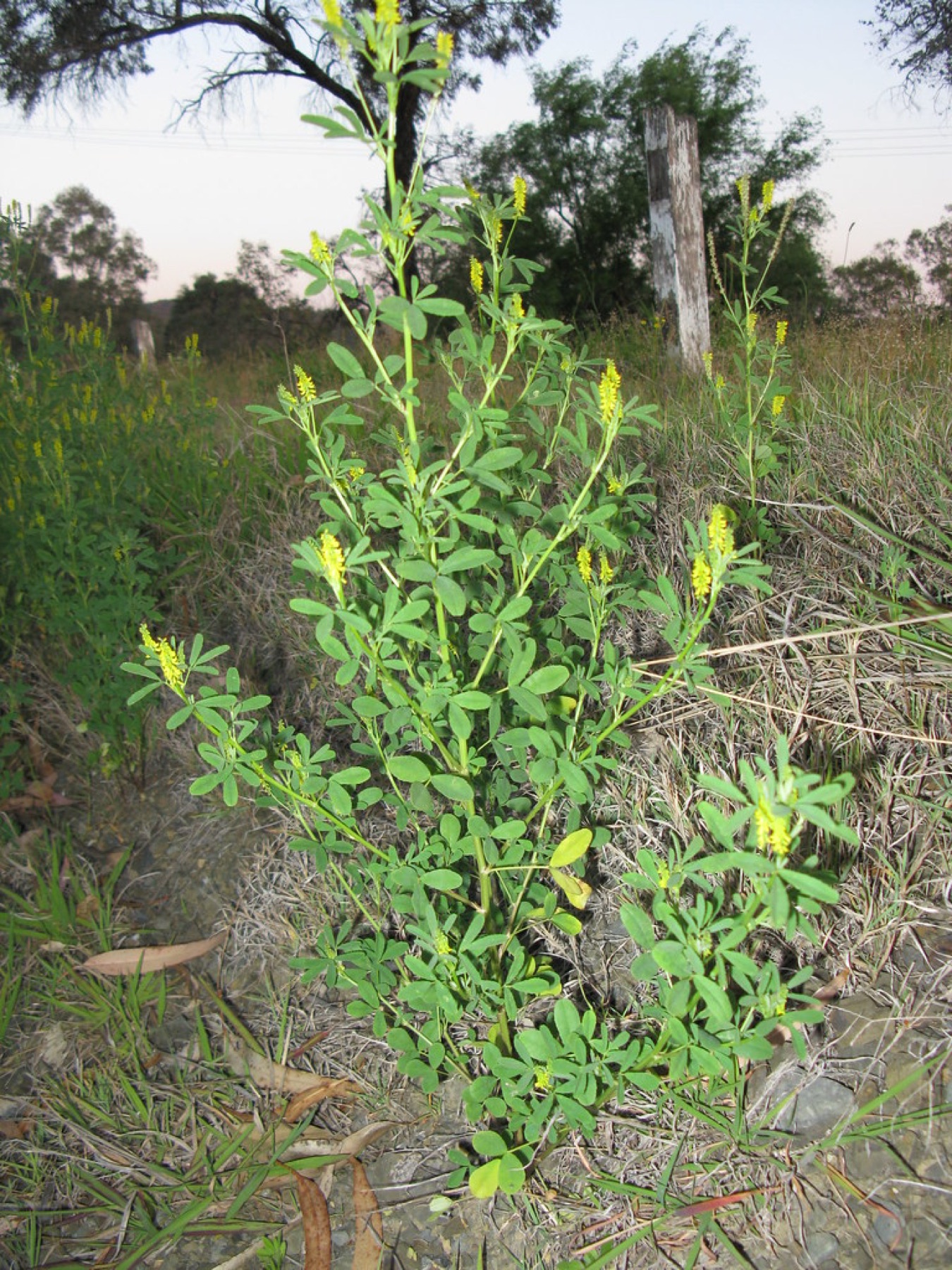
Western Vervain
Verbena lasiostachys · Verbenaceae
- Form
- Perennial herb
- Height
- 1-4 ft
- Sun
- Full Sun
- Water
- Moderate
- Blooms
- May, Jun, Jul, Aug, Sep
- Pet toxicity
- Unknown
🌿 California native
Quick facts
- Habitat: Riparian edges, moist grassland, seasonal wet ground
- Form / size: Upright perennial, 1-4 ft
- Sun: Full sun · Water: Moderate
- Blooms: Late spring-fall · Pollinator value: High
Description
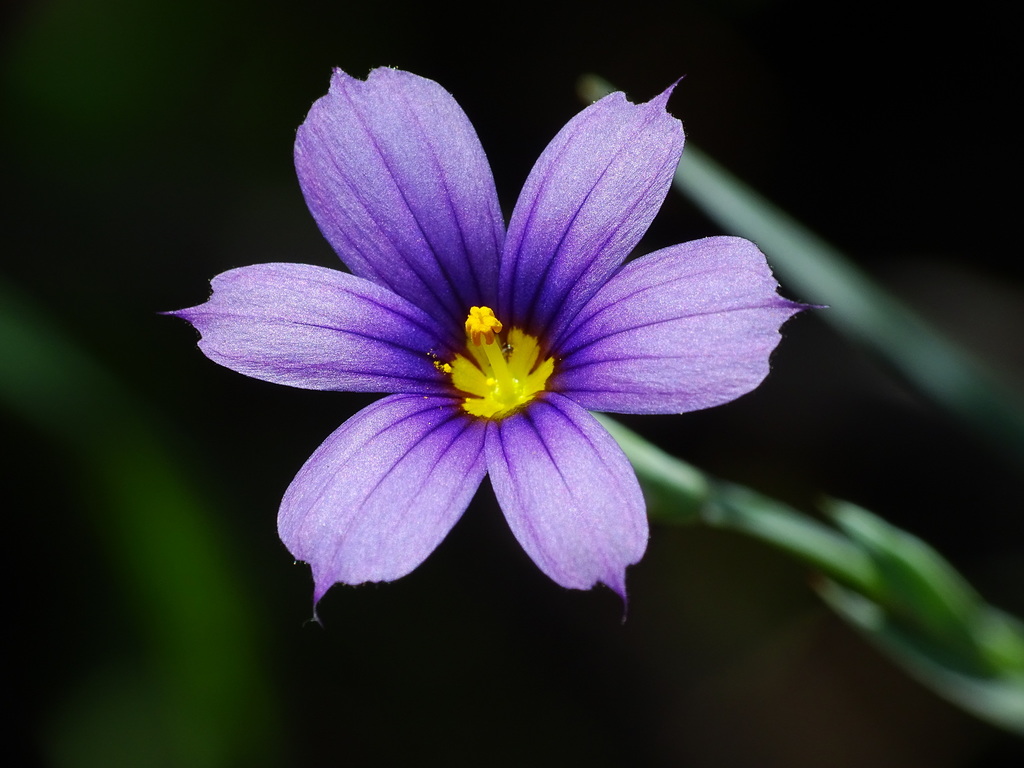
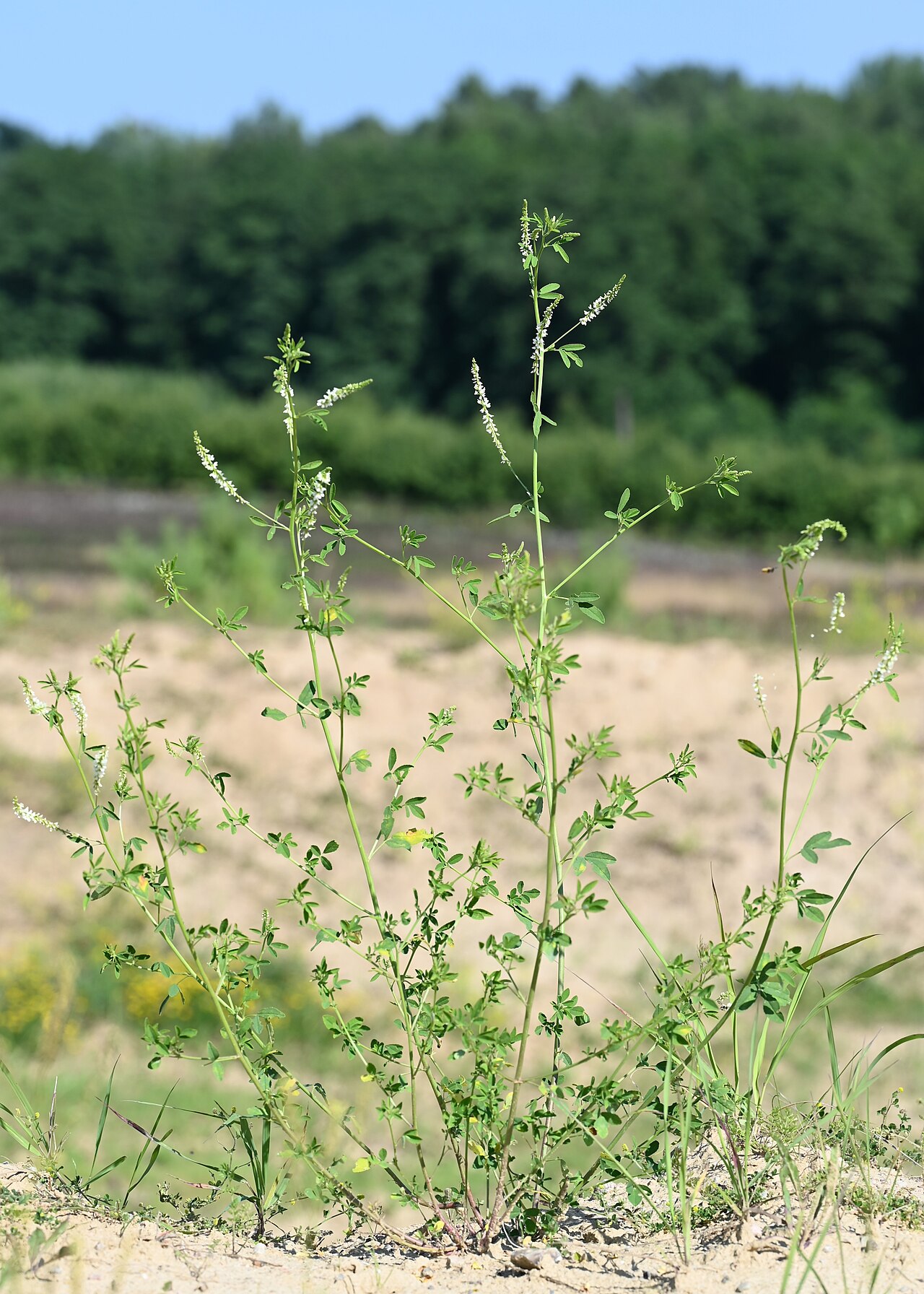
An upright native perennial with slender square-ish stems and long narrow flower spikes. The small lavender-purple flowers open a few at a time along the spikes, giving the plant a delicate, wand-like look.
Indigenous & historical use
The Costanoan (Ohlone) of California’s central coast prepared an infusion of western vervain as a febrifuge for fevers, including “fever of the stomach,” and as a remedy for typhoid fever. This use was recorded by ethnographer John P. Harrington and analyzed by Barbara Bocek in her 1984 study of Costanoan plant knowledge.
Ecological role
Western vervain blooms from late spring all the way through fall, so it’s still offering nectar and pollen when most early-season flowers are long gone. That timing matters in riparian corridors, where insects need to fuel up through the warm months. Its small flowers open a few at a time along the spike, making the plant a patient, steady food source for native bees, butterflies, and skippers through the warm season. It isn’t a structure-builder like a willow or cottonwood, and it doesn’t stabilize banks the way dense shrubs do, but in moist grassland openings and the edges of seasonal wetlands and creeks it fills out the herb layer and keeps feeding whatever insects are still flying as the year turns cool.
Habitat & range
Creek edges, moist meadows, ditches, seasonal wetlands, grassland openings, and disturbed damp ground across much of California.
In the garden
Good in rain gardens, meadow edges, and pollinator plantings with a little seasonal moisture. It is informal and can reseed gently where happy.
Propagation
From seed or basal cuttings. Fall sowing works well; leave some dry seed heads for self-sowing and wildlife.
Where to see it near you
- iNaturalist — observed near San Juan Capistrano
- Creek edges, wet meadow patches, and open disturbed ground near drainages.
Problems
Can get rangy after bloom. Cut back lightly after seed if using in a garden.
Sources
- Calscape · iNaturalist · Wikipedia
- Indigenous use: Bocek, Barbara R. (1984). “Ethnobotany of Costanoan Indians, California, Based on Collections by John P. Harrington.” Economic Botany 38(2):240–255. · Native American Ethnobotany Database — Verbena lasiostachys