Rabbitfoot Grass
Polypogon monspeliensis · Poaceae
- Height
- 6 in-2 ft
🚫 Invasive / non-native weed
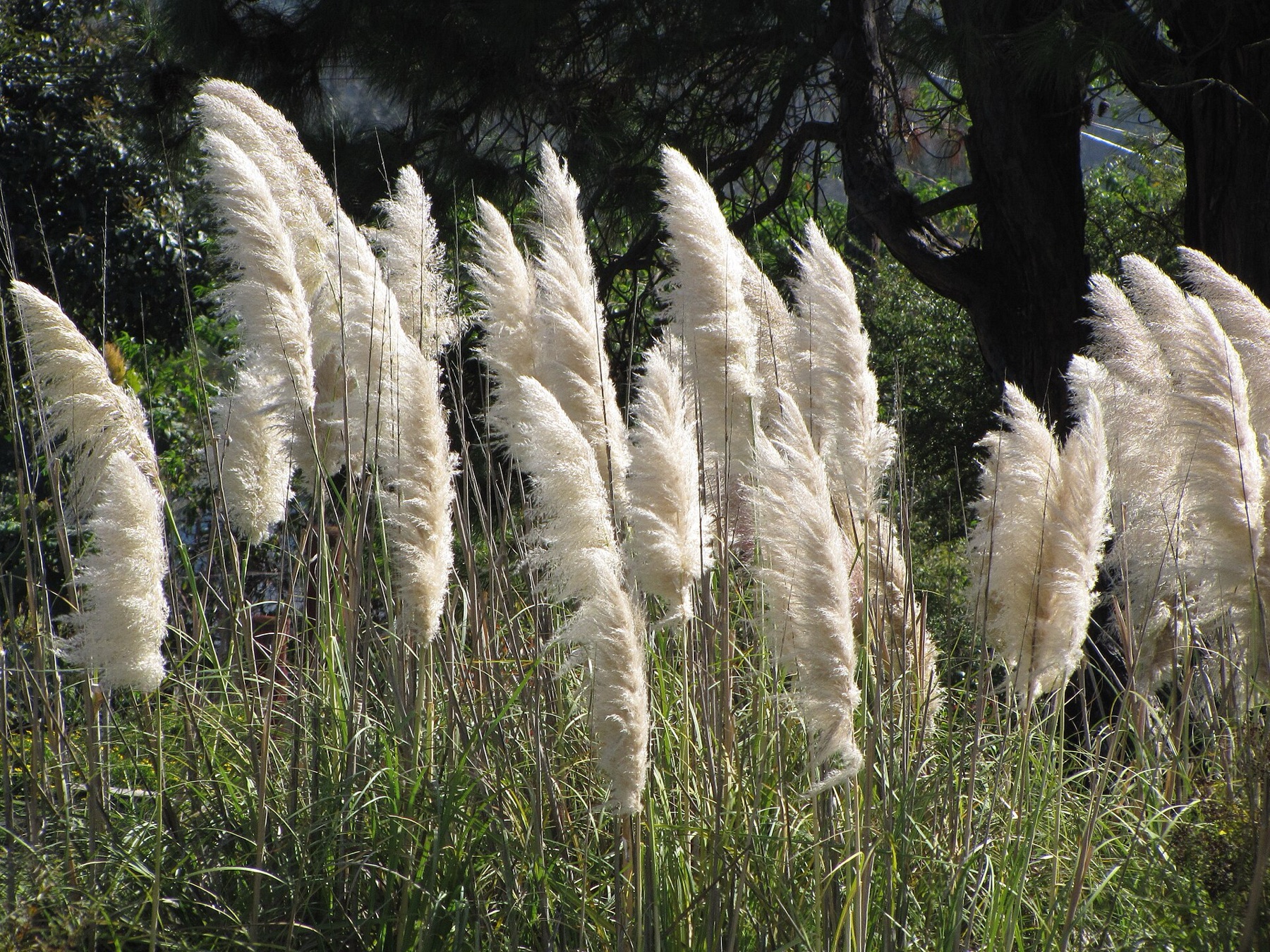
At a glance · Tell-tale sign: Soft, fuzzy, silvery-tan “rabbit’s-foot” / bottlebrush flower spikes · Form: Annual grass, 6 in–2 ft, in wet ground
How to identify
An annual grass of wet, disturbed places with unmistakable dense, soft, silky, bristly flower spikes that look like a fuzzy bottlebrush or a rabbit’s foot — silvery-green aging to tan. Common in ditches, basins, drying riverbeds, and the moist margins of restoration sites.
How it got here
There’s no legend attached to this one. It’s a contaminant, plain and simple. The main documented pathway into North America was dry ballast: sailing ships loaded rock and soil into their holds for stability on the crossing, then dumped it at port before loading cargo, and whatever seed was riding in that soil went with it. Rabbitfoot grass first showed up in the botanical record by the late 1860s, in “waste places” near Hampton Beach, New Hampshire — a first published sighting, not necessarily a first arrival — then spread south and west as a weed of disturbed ground over the following decades. It likely kept arriving the same low-grade way seed always does: mixed into hay, straw bedding, packing materials, and crop seed lots moving with people and goods, rather than through any single deliberate introduction. No missionary, no rancher, no single person to point to. Just seed riding along in things people were already moving.
Why it’s a problem
It’s an annual, so every plant you see this year came from a seed and has to make more seed to come back next year — there’s no perennial rootstock holding the population steady in a bad year. That same seed-to-seed cycle is what makes it fast: it germinates in the wet season, grows quick, and by late spring a single patch of disturbed mud can be standing in dense, uniform stands of it, spike to spike, with nothing else coming up underneath. Native wetland and riparian seedlings need that same narrow window — wet ground, open light, before the perennials close in — and rabbitfoot grass gets there first and fills the space they needed. Cal-IPC rates its overall statewide impact “Limited.” It isn’t reshaping fire regimes or hybridizing with natives the way some invasives on this list are. Where it’s actually a problem is narrow and specific — restoration sites with bare wet soil, drying vernal pool margins, disturbed creek edges — exactly the ground where a handful of struggling native seedlings needed one clean season to get established, and didn’t get it.
How it spreads
By seed, dispersed by water and wind; thrives where wet ground is disturbed.
How to remove it
- Hand-pull (shallow-rooted annual) before the spikes set seed.
- Manage soil moisture/disturbance where feasible and revegetate cleared wet ground.
- Bag seeding plants.
Restoration alternative
The niche rabbitfoot grass is filling is a specific one: bare, wet, disturbed ground that stays saturated part of the year. The natives that hold that ground long-term aren’t annuals racing to outgrow it — they’re perennial sedges and rushes that come back from the same rootstock every year and don’t need to win the germination race from scratch each season. Santa Barbara Sedge and Common Three-square both spread by rhizome through wet soil and form the kind of dense clump that a weedy annual grass can’t punch through once established. California Gray Rush does the same job on slightly drier margins. On streambanks and wet meadow edges, Creeping Wild Rye is the direct grass-for-grass swap — a native perennial bunchgrass that spreads underground and holds the same wet, grassy ground rabbitfoot grass wants, without needing to reseed every year to survive. For a flowering forb in the same wet niche, Seep Monkeyflower does well on saturated, disturbed soil right where rabbitfoot grass tends to show up. The goal is simple: no bare mud left in spring. Get any of these established on bare wet ground before the rainy season and there’s less open ground left for rabbitfoot grass to colonize.