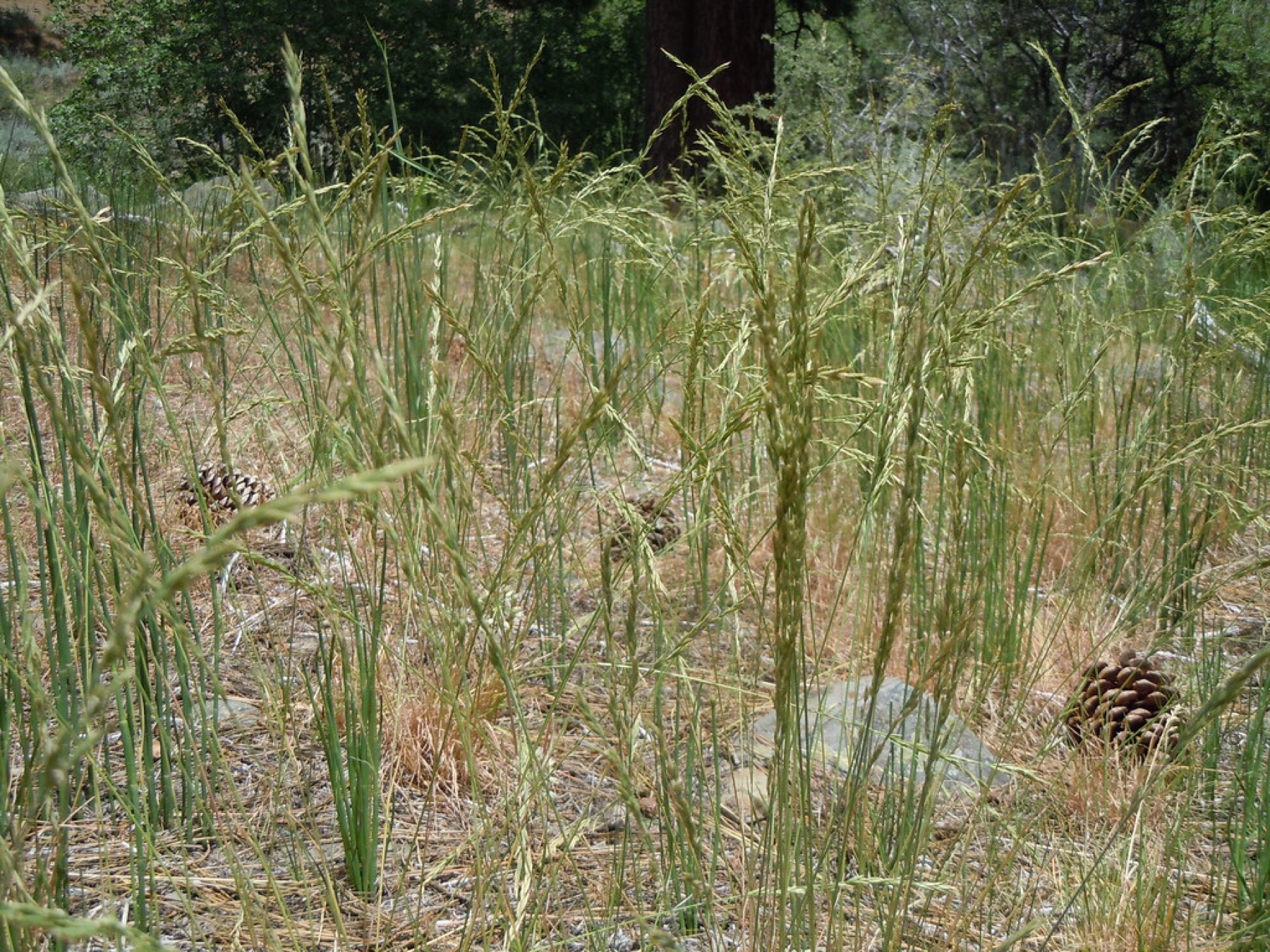
Seaside Brookweed
Samolus parviflorus · Primulaceae
- Form
- Perennial
- Height
- 4–12 in
- Sun
- Full Sun
- Water
- High
- Blooms
- Apr, May, Jun, Jul, Aug, Sep
🌿 California native
Quick facts · Habitat: Wet ground — seeps, streambanks, ditches, marsh edges (Riparian) · Form / size: Small herb, 4–12 in · Sun: Full sun to part shade · Water: High (wet soil) · Blooms: Spring–late summer
Description
A modest little wetland herb that’s a good sign of healthy moist ground. It forms a low basal rosette of fleshy, spoon-shaped leaves and sends up airy, branched stems of tiny white five-petaled flowers. Easy to overlook, but a genuine native of seeps and streamsides — exactly the kind of small plant a careful creek survey turns up.
Indigenous & historical use
This one has a much lighter paper trail than the willows, oaks, or datura. There does not appear to be a solid named-peoples Indigenous-use record for Samolus parviflorus in its western North American range, so it should not be padded into a story it doesn’t support. Under the wider historical-use scope, the useful-plant record is modest: Plants For A Future lists young leaves of seaside brookweed as edible raw or cooked, while noting no known medicinal use.
Ecological role
The flowers are small, but the visitor list isn’t limited to one type of insect: bees, butterflies, and dance flies (Empididae) all work them, drawn in by volume rather than any single showy bloom. Dance flies are mostly known for aerial mating swarms, not flower visits, but they’re legitimate pollinators here, not freeloaders. The plant is also self-fertile, so a poor pollinator year doesn’t mean no seed.
The bigger ecological job isn’t feeding anything — it’s marking ground. Seaside brookweed is rated an obligate wetland species — found in wet ground essentially always, almost never anywhere else — across the wetland-indicator regions where botanists have documented it in detail. Find a patch of it and you’ve found real water underneath: a live seep, a spring line, a streambank that doesn’t dry out in summer.
Habitat & range
Springs, seeps, streambanks, ditches, and marsh margins across much of North America; locally a Riparian / wet-ground native.
In the garden
Niche — for consistently wet spots: pond margins, bog gardens, the wet end of a rain garden. Not for dry beds.
Propagation
From seed (sow on the surface of consistently moist soil — it needs light and wetness to germinate) and by division of established clumps.
Where to see it near you
- iNaturalist — observed in Orange County
- Seeps and wet streambanks.
Sources
- Calscape · iNaturalist · Wikipedia
- Ecological role: Naturescapes of Beaufort — Samolus parviflorus species notes · Flora of the Southeastern United States — wetland-indicator ratings
- Indigenous and historical-use check: Native American Ethnobotany Database · Plants For A Future — Samolus parviflorus · Eat The Weeds — Brookweed ethnobotany review