California Everlasting
Pseudognaphalium californicum · Asteraceae
- Form
- Perennial
- Height
- 1–3 ft
- Sun
- Part Shade
- Water
- Low
- Blooms
- Mar, Apr, May, Jun, Jul
- Habitat
- Coastal Sage Scrub · Chaparral · Oak Woodland · Disturbed
🌿 California native
Quick facts
- Habitat: Dry shade, scrub edges, oak woodland, disturbed native ground
- Form / size: Short-lived perennial, 1–3 ft
- Sun: Part shade to sun · Water (established): Low
- Blooms: Spring–summer · Pollinator value: Moderate
Description
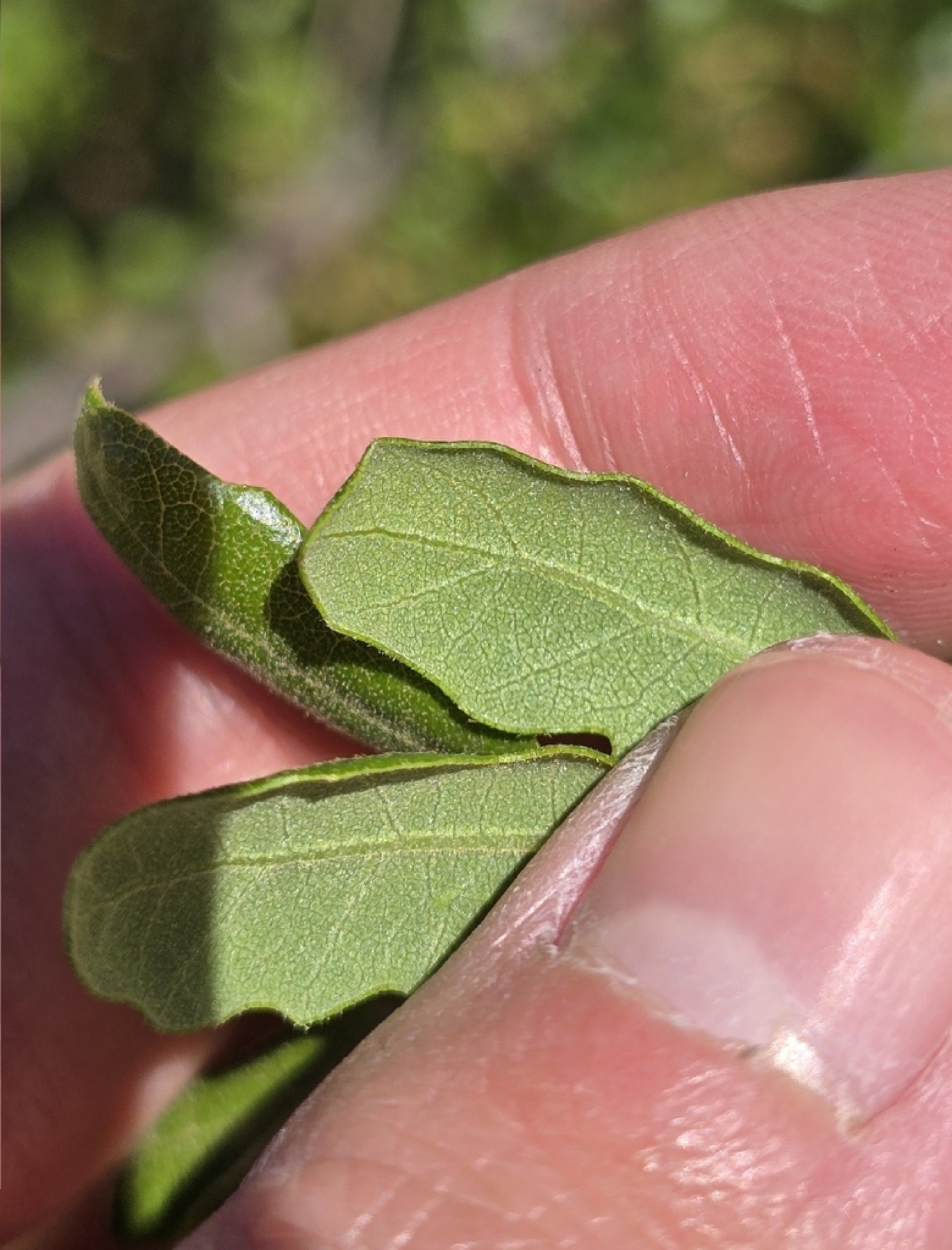
A soft gray-green native with narrow aromatic leaves and papery white-to-cream flower clusters that keep their shape as they dry. The foliage has a warm, maple-syrup/curry-like scent when crushed.
Ecological role
California everlasting blooms through spring and into summer, providing pollen and nectar when many plants are still getting established. It’s a confirmed host plant for painted lady butterflies and feeds native bees and other beneficial insects during the critical months when forage is scarce. Because it’s a short-lived perennial that colonizes disturbed ground quickly, it arrives before longer-lived shrubs and covers bare soil where nothing else has taken hold yet, may self-sow in open areas, and provides early cover in recovering coastal sage scrub habitat.
Habitat & range
Scrub edges, dry woodland, roadcuts, and lightly disturbed native ground across coastal and inland California.
In the garden
Good for dry shade, pollinator edges, and informal habitat plantings. It may move around by seed, which is often useful in a wild garden.
Propagation
Easy from seed. Let some flowers dry on the plant and self-sow, or collect the fluffy seed when mature.
Where to see it near you
- iNaturalist — observed in Orange County
- Dry shaded edges, roadcuts, and scrub/woodland margins.
Problems
Short-lived and informal. It may self-sow where there is open soil.
Sources
Commonly confused with
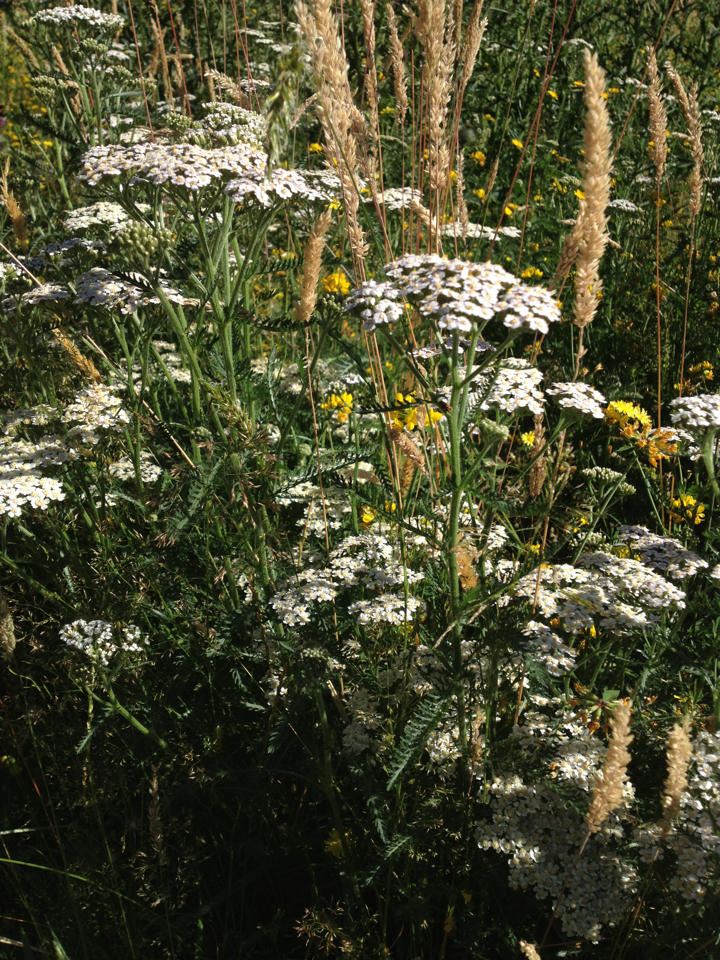 Yarrow 🌿 Achillea millefolium flat flower heads and ferny leaves; everlasting has papery clustered heads and narrow woolly leaves.