California Beeplant
Scrophularia californica · Scrophulariaceae
- Form
- Perennial herb
- Height
- 2-5 ft
- Sun
- Part Shade
- Water
- Low
- Blooms
- Mar, Apr, May, Jun, Jul
- Pet toxicity
- Unknown
- Habitat
- Oak Woodland · Chaparral · Riparian · Coastal Sage Scrub
🌿 California native
Quick facts · Habitat: Woodland edges, shaded canyons, riparian margins, chaparral shade · Form / size: Perennial herb, 2-5 ft · Sun: Part shade to filtered sun · Water: Low to moderate · Blooms: Spring-summer · Pollinator value: High
Description
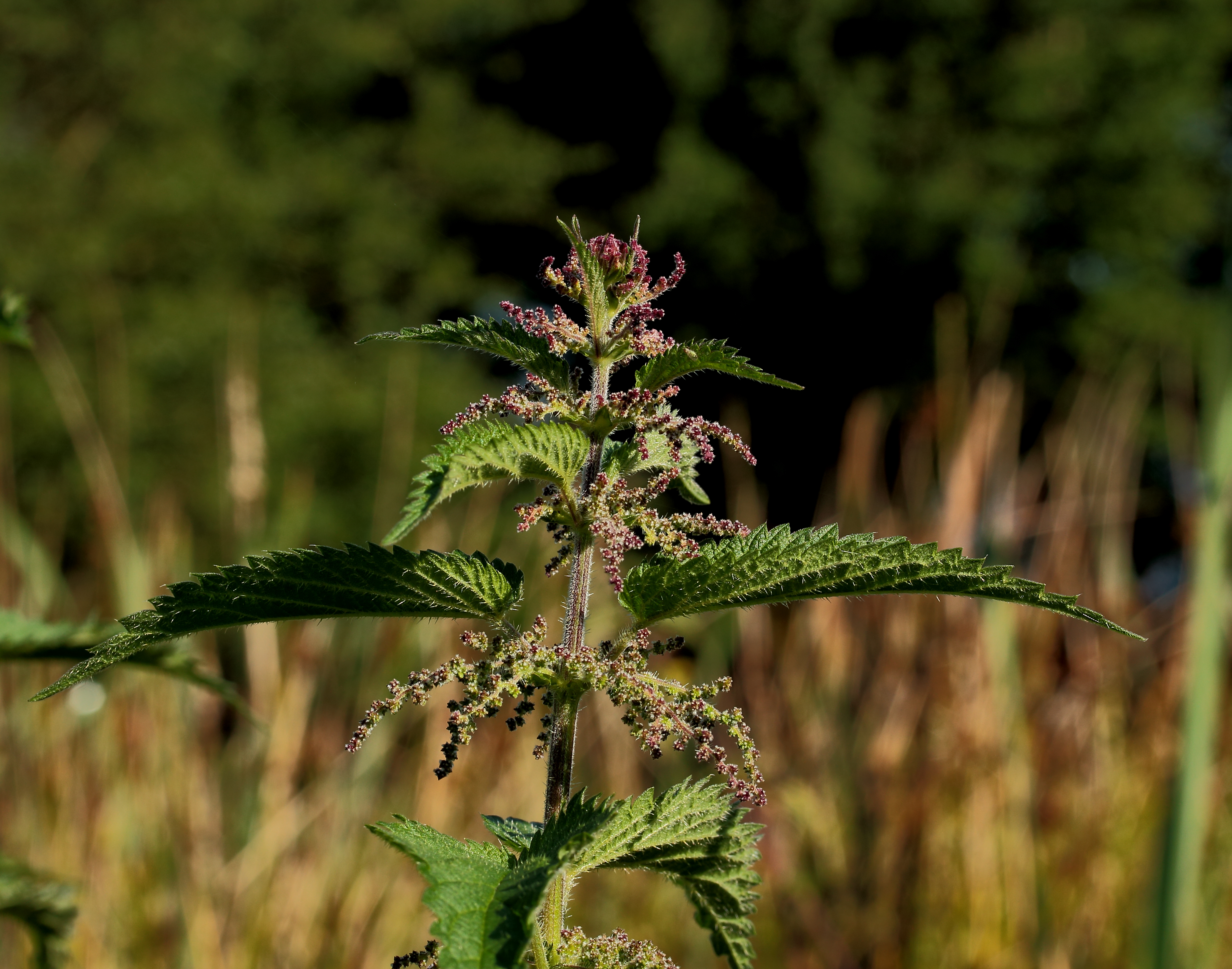
A somewhat lanky perennial with opposite leaves and small reddish-brown to greenish flowers. The flowers are not showy in a garden-center way, but insects love them.
Wildlife & pollinators
Excellent insect plant: bees, wasps, flies, butterflies, and hummingbirds may visit the small nectar-rich flowers.
Habitat & range
Oak woodland edges, shaded canyons, riparian margins, chaparral openings, and semi-shaded slopes across California.
In the garden
Useful in habitat gardens and dry shade, especially where pollinator support matters more than tidy ornamental bloom. Cut back after seed if it gets rangy.
Propagation
From seed or division of established clumps. Fall sowing is best for seed.
Where to see it near you
- iNaturalist — observed in Southern California
- Shaded canyon trails, oak edges, and creek margins.
Problems
Can look rangy or rough in formal plantings. Give it companions and accept its wildlife-plant personality.