Purple Nightshade
Solanum xanti · Solanaceae
- Form
- Perennial herb
- Height
- 1-3 ft
- Sun
- Part Shade
- Water
- Low
- Blooms
- Mar, Apr, May, Jun
- Pet toxicity
- Toxic
- Habitat
- Chaparral · Coastal Sage Scrub · Oak Woodland
🌿 California native
Quick facts · Habitat: Chaparral, Coastal Sage Scrub, oak woodland edges · Form / size: Soft perennial herb/subshrub, 1-3 ft · Sun: Part shade to sun · Water: Low once established · Blooms: Spring-early summer · Pollinator value: Moderate
Description
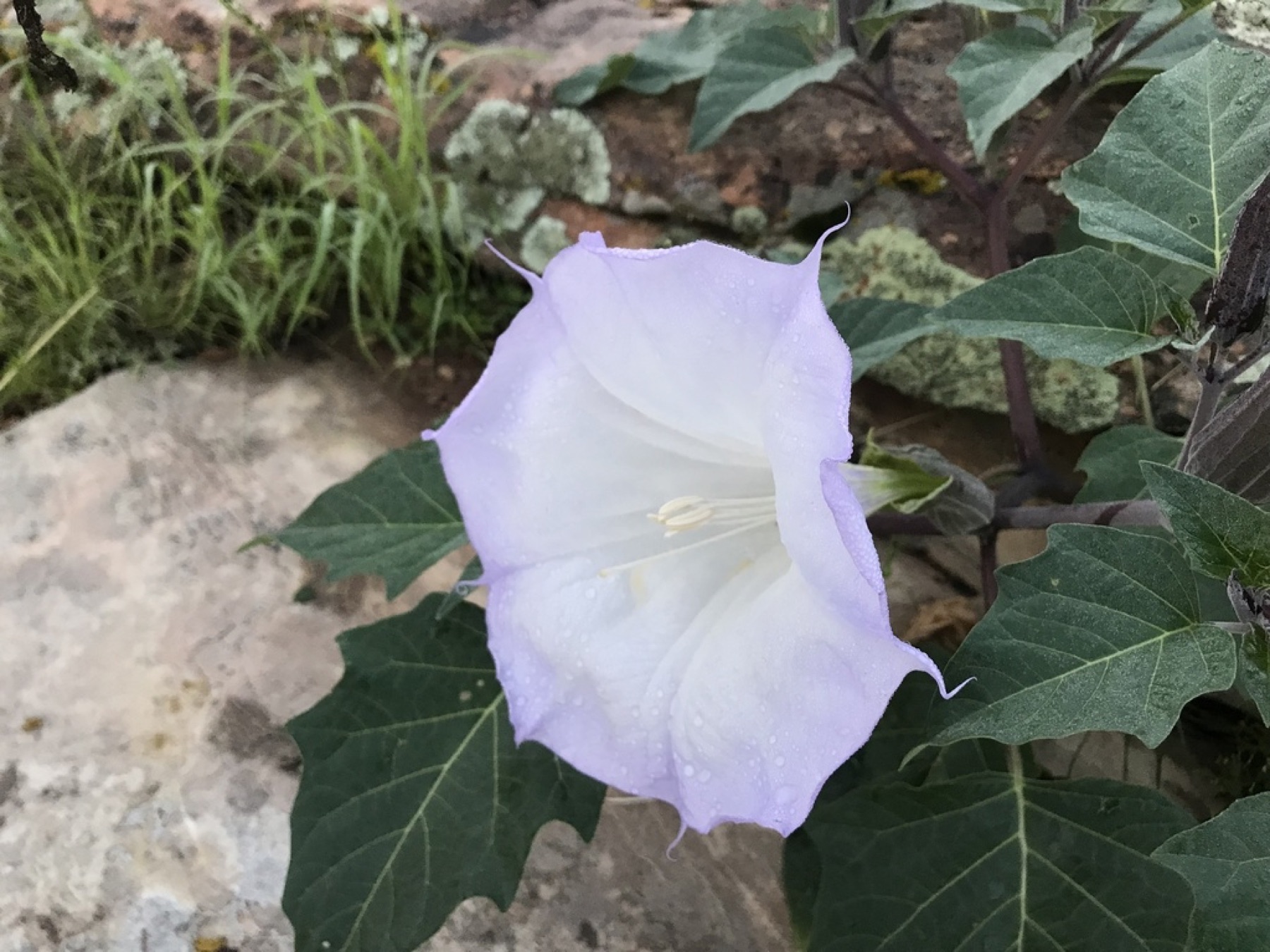
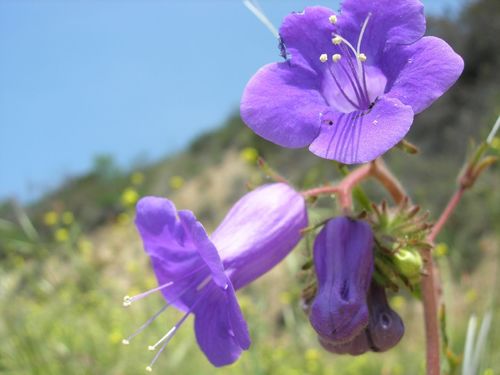
A native nightshade with soft leaves and showy lavender-purple, star-shaped flowers with yellow anthers. It often grows from shaded scrub edges or canyon slopes, where the purple flowers stand out in spring.
Wildlife & pollinators
Native bees visit the flowers, especially buzz-pollinating bees that can shake pollen from the anthers.
Habitat & range
Chaparral, coastal sage scrub, oak woodland margins, canyon slopes, and road cuts through Southern California.
In the garden
Attractive but best used carefully because nightshades are toxic if eaten. It fits rough native edges more than tidy patios or pet-heavy areas.
Propagation
From seed or soft cuttings. Use local seed when restoring wild slope or scrub-edge habitats.
Where to see it near you
- iNaturalist — observed in Southern California
- Scrub slopes, oak edges, and shaded chaparral cuts in spring.
Problems
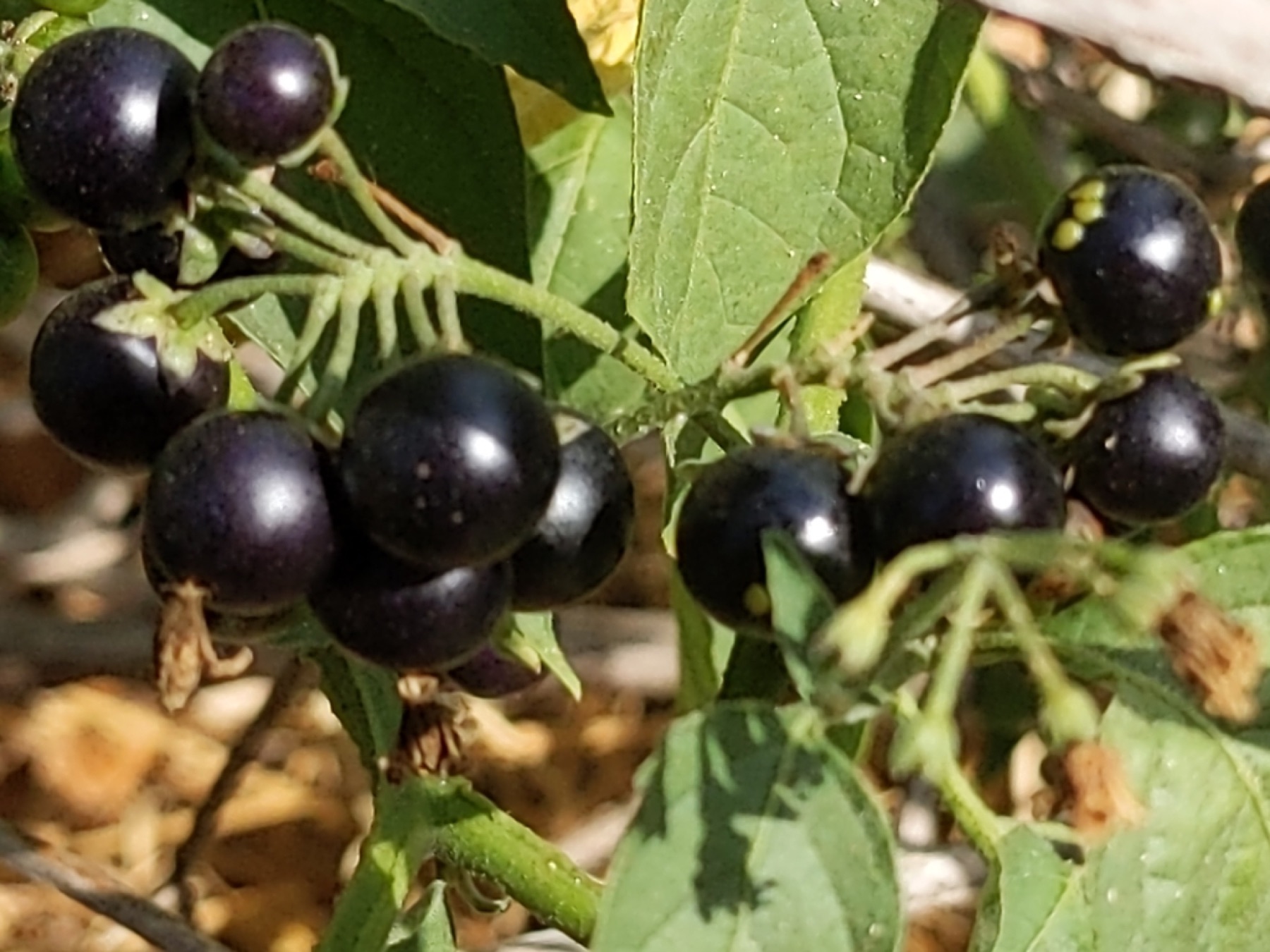
Treat berries and foliage as toxic. It can be browsed or damaged in exposed sites before it establishes.