Wild Canterbury Bells
Phacelia minor · Boraginaceae
- Form
- Annual herb
- Height
- 1-3 ft
- Sun
- Part Shade
- Water
- Low
- Blooms
- Mar, Apr, May
- Pet toxicity
- Mild
- Habitat
- Coastal Sage Scrub · Chaparral · Oak Woodland
🌿 California native
Quick facts
- Habitat: Coastal Sage Scrub, Chaparral, shaded slopes
- Form / size: Spring annual, 1-3 ft
- Sun: Part shade to filtered sun · Water: Winter rain
- Blooms: Spring · Pollinator value: High
Description
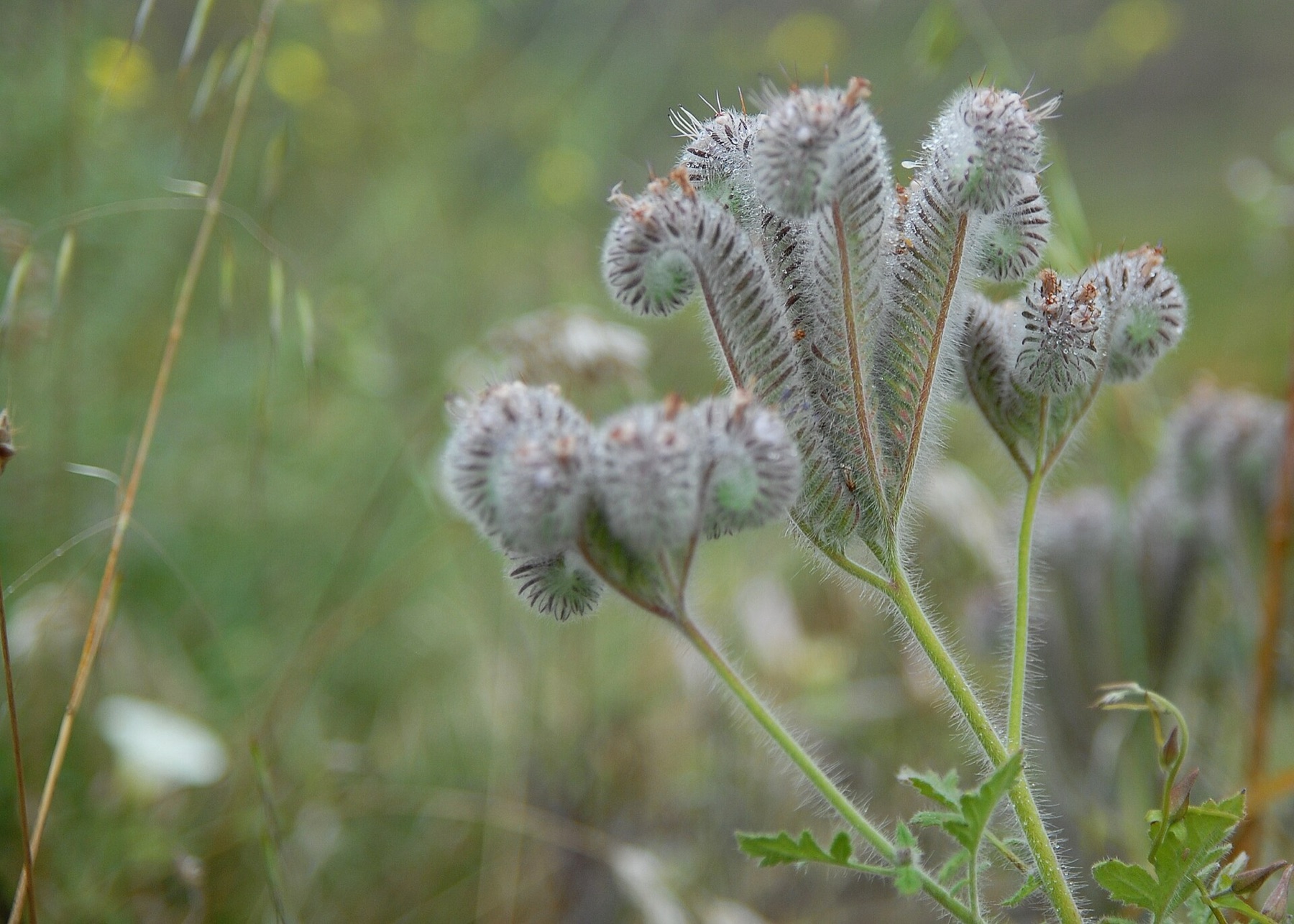
A showy spring annual with large bell-shaped purple-blue flowers and soft, hairy foliage. It often blooms in partial shade under shrubs or along canyon edges.
Wildlife & pollinators
Very good for native bees, including bumble bees, as well as flies and other spring insects.
Habitat & range
Coastal sage scrub, chaparral openings, oak woodland edges, shaded slopes, and post-fire annual displays in Southern California.
In the garden
Excellent as a seasonal wildflower under open shrubs or in lightly shaded native beds. Let seed mature if you want it to return.
Propagation
From seed sown in fall. Seedlings germinate with winter rain and bloom in spring.
Where to see it near you
- iNaturalist — observed in Southern California
- Spring canyon edges, shaded scrub, and chaparral openings.
Problems
Like many phacelias, it may irritate sensitive skin. Wear gloves if handling lots of plants.
Sources
Commonly confused with
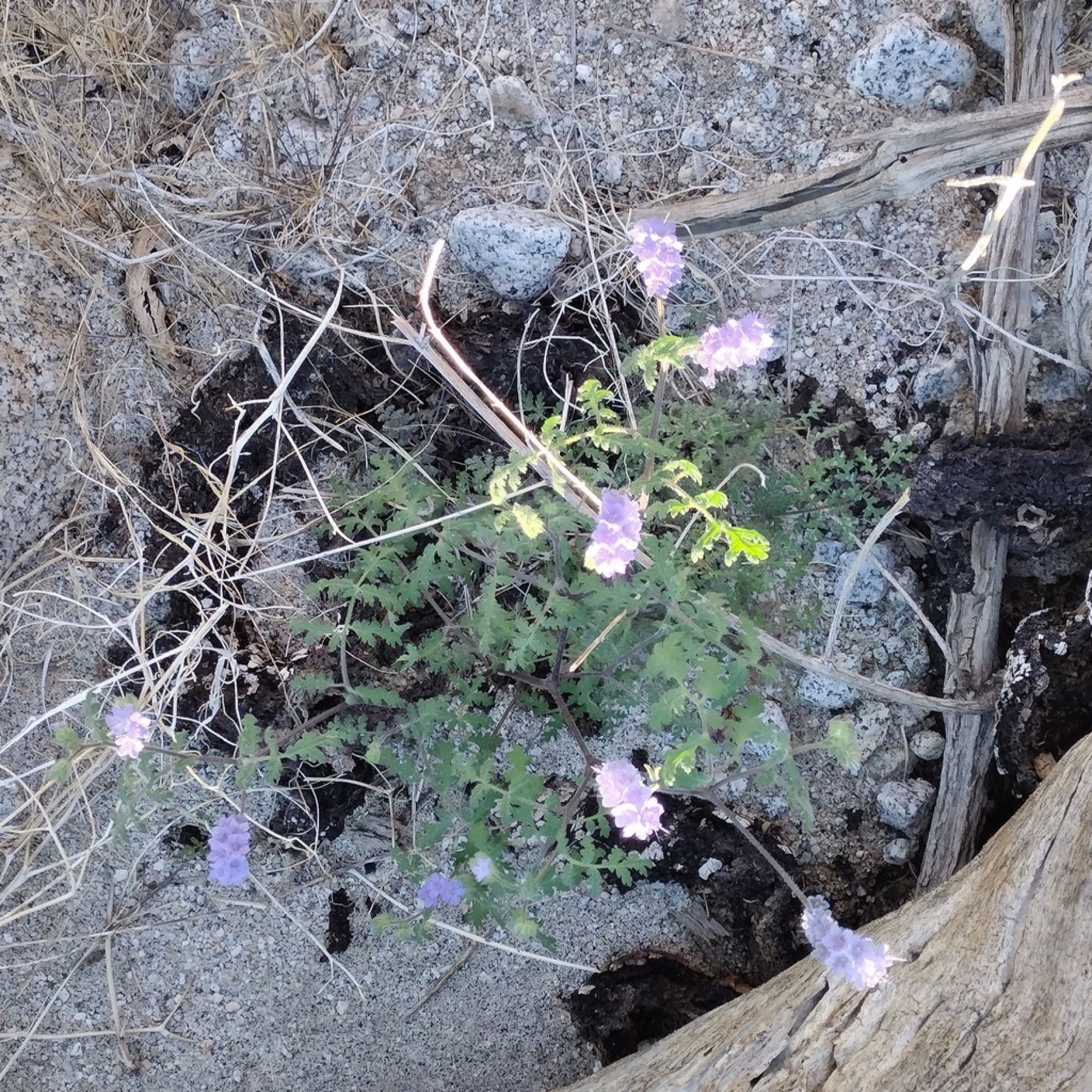 Distant Phacelia 🌿 Phacelia distans smaller, more open flowers and often drier open settings; wild canterbury bells has larger bell-shaped blooms.
 🌿 Fiesta flower Pholistoma auritum also purple spring annual, but fiesta flower has different leaf texture and flatter flowers.