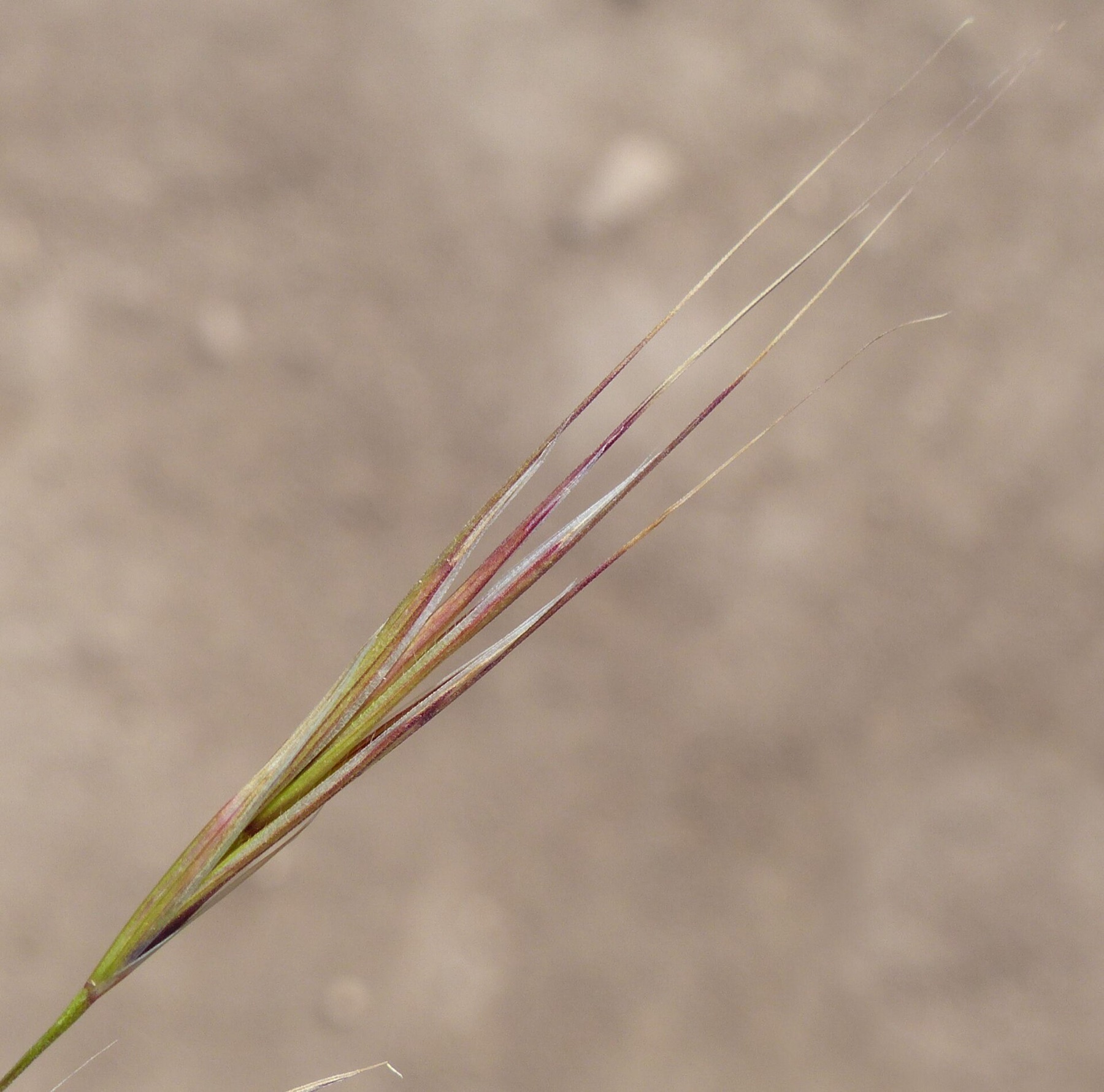
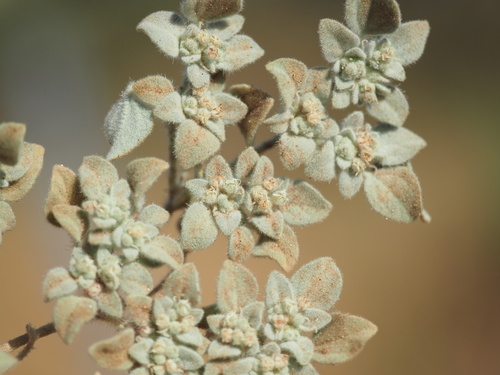
Distant Phacelia
Phacelia distans · Boraginaceae
- Form
- Annual
- Height
- 6–24 in
- Sun
- Full Sun
- Water
- Very Low
- Blooms
- Feb, Mar, Apr, May
- Pet toxicity
- Mild
- Habitat
- Coastal Sage Scrub · Chaparral · Desert · Grassland
🌿 California native
Quick facts
- Habitat: Open scrub, desert edges, slopes, disturbed native ground
- Form / size: Spring annual, 6–24 in
- Sun: Full sun · Water: Winter rain
- Blooms: Late winter–spring · Pollinator value: High
Description
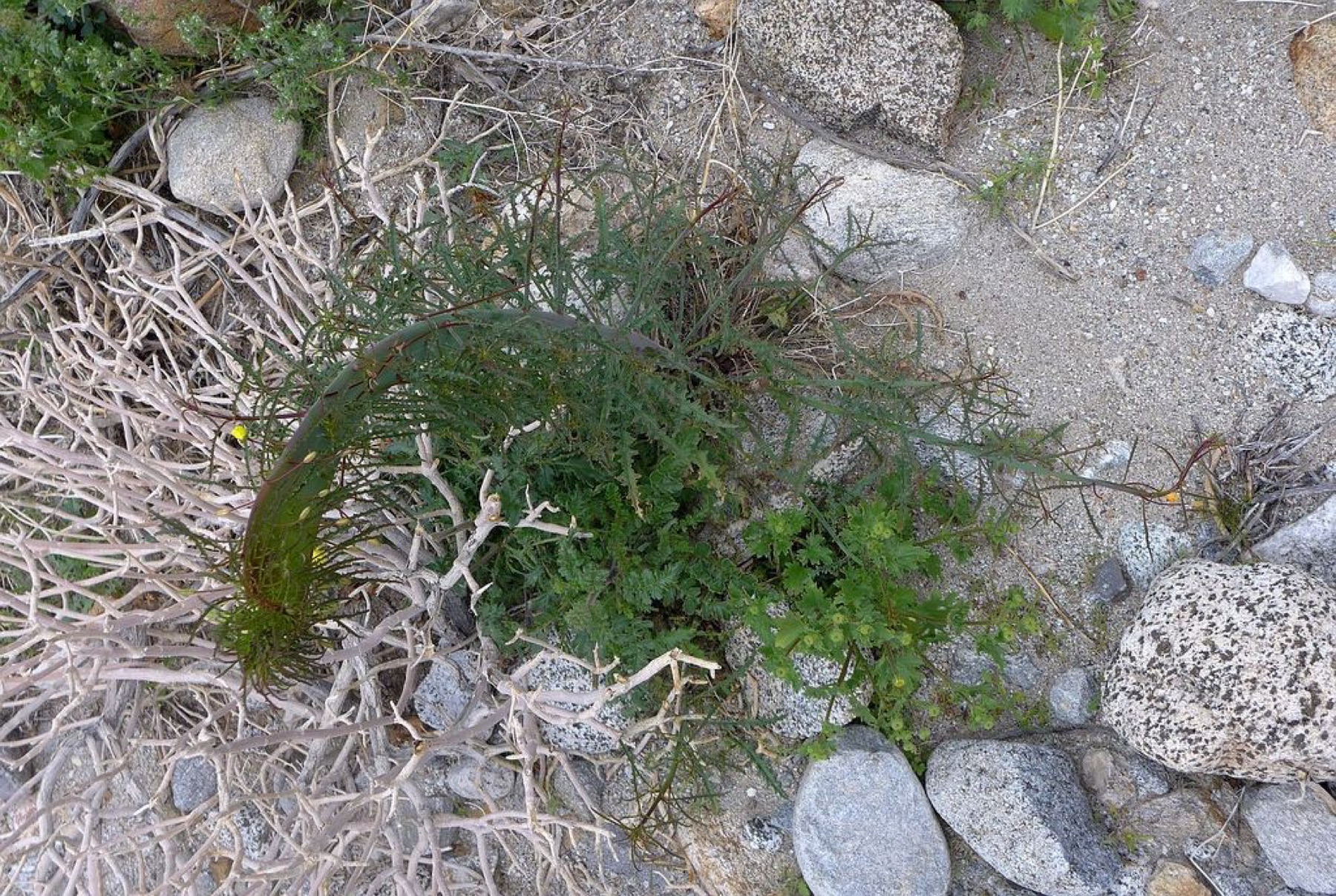
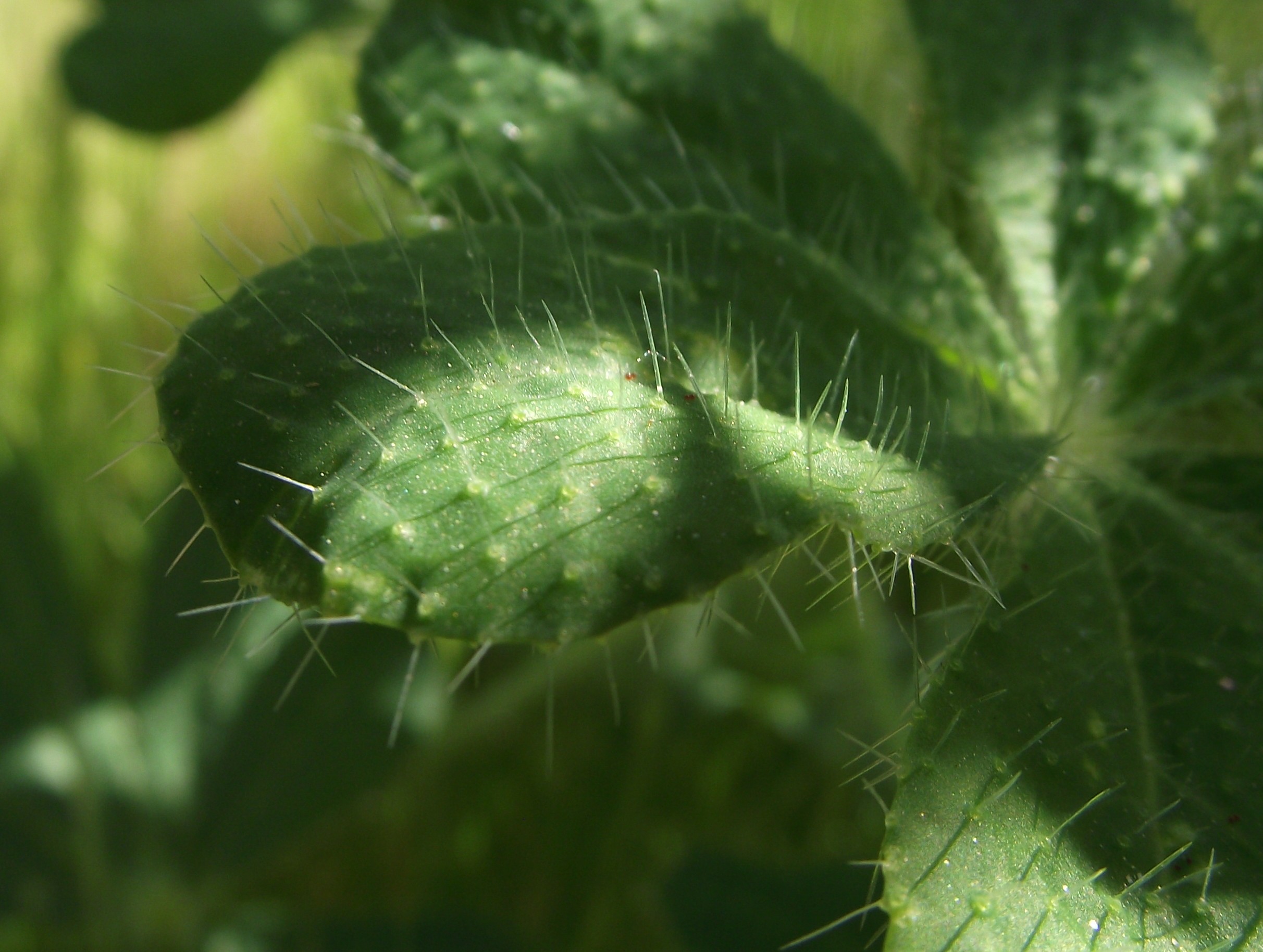
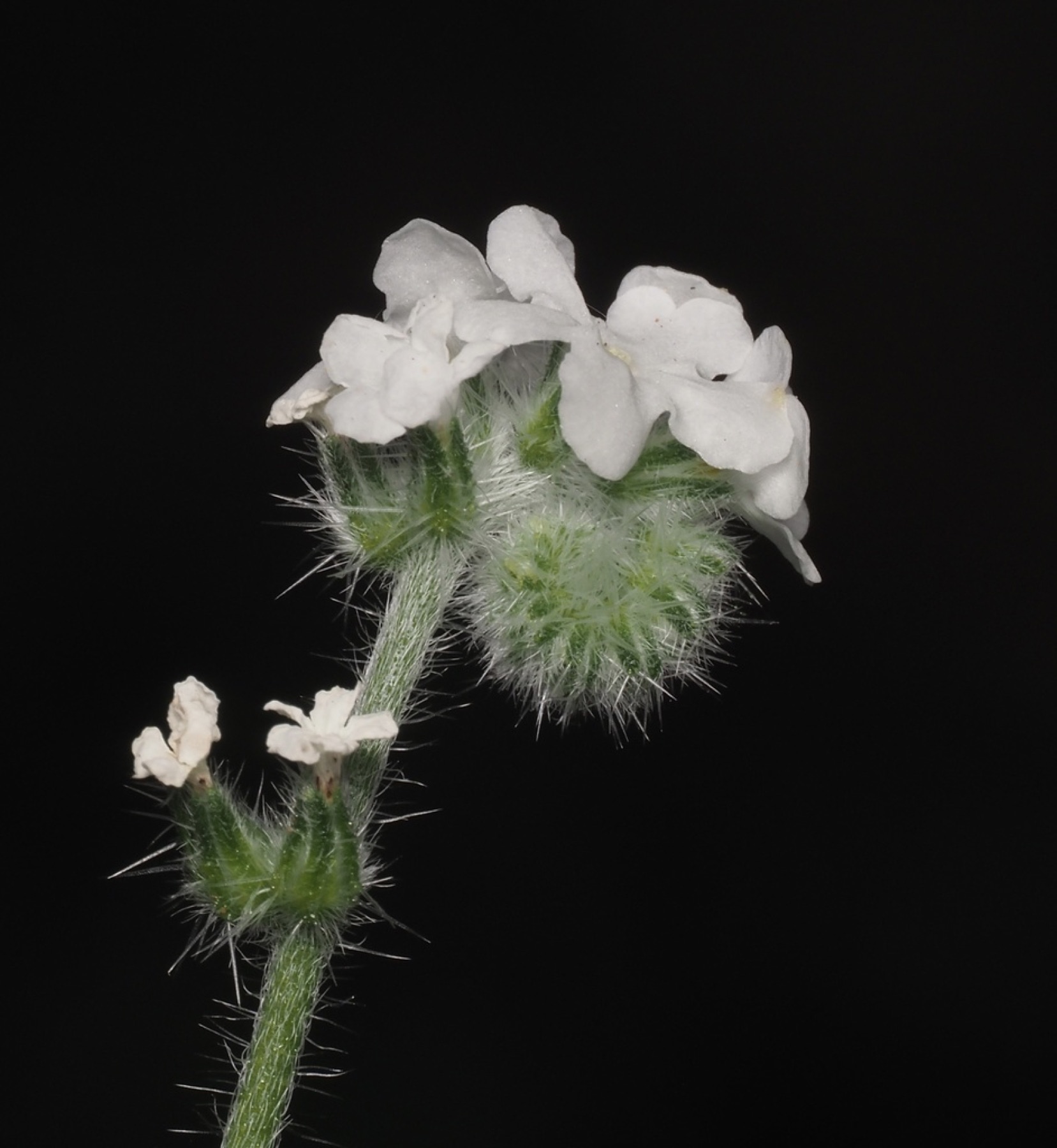
A common spring wildflower with coiled flower clusters of lavender-blue to purple blooms. The stems and leaves are bristly, and the curled “scorpion-tail” flower cluster is a good field mark for phacelias.
Ecological role
Distant phacelia blooms in late winter and spring, a time when few other plants in coastal sage scrub have flowers to offer. Its nectar and pollen draw native bees and other spring insects that are emerging from dormancy. Calscape documents it as a host plant for butterflies and moths, whose caterpillars feed on the plant’s tissues as they develop.
It supports not one dominant species but a diverse suite of spring pollinators colonizing disturbed, open ground. Many insects depend on a sequence of flowering plants through the season, and phacelia’s early bloom is one link in that chain. The annual’s brief, intense bloom fills a gap in the spring pollinator calendar across multiple California habitats, from chaparral to grassland to desert edges. It emerges when native insects need resources most.
Habitat & range
Coastal sage scrub, chaparral openings, desert slopes, roadsides, and other open winter-wet ground across Southern California.
In the garden
Excellent for wildflower mixes and pollinator patches. Sow seed in fall and avoid heavy mulch where you want it to return.
Propagation
From seed sown in fall before winter rains. Let plants set seed if you want a recurring patch.
Where to see it near you
- iNaturalist — observed in Southern California
- Spring slopes, scrub openings, and desert-edge wildflower areas.
Problems
Bristly hairs may irritate sensitive skin. Annual appearance depends heavily on rainfall.