Stinging Lupine
Lupinus hirsutissimus · Fabaceae
- Form
- Annual herb
- Height
- 1-3 ft
- Sun
- Full Sun
- Water
- Very Low
- Blooms
- Mar, Apr, May
- Pet toxicity
- Toxic
- Habitat
- Coastal Sage Scrub · Chaparral · Grassland · Desert
🌿 California native
Quick facts
- Habitat: Open scrub, chaparral burns, grassland, and desert-edge wildflower fields
- Form / size: Bristly annual lupine, 1-3 ft
- Sun: Full sun · Water: Winter rain only
- Blooms: Spring · Pollinator value: High
Description
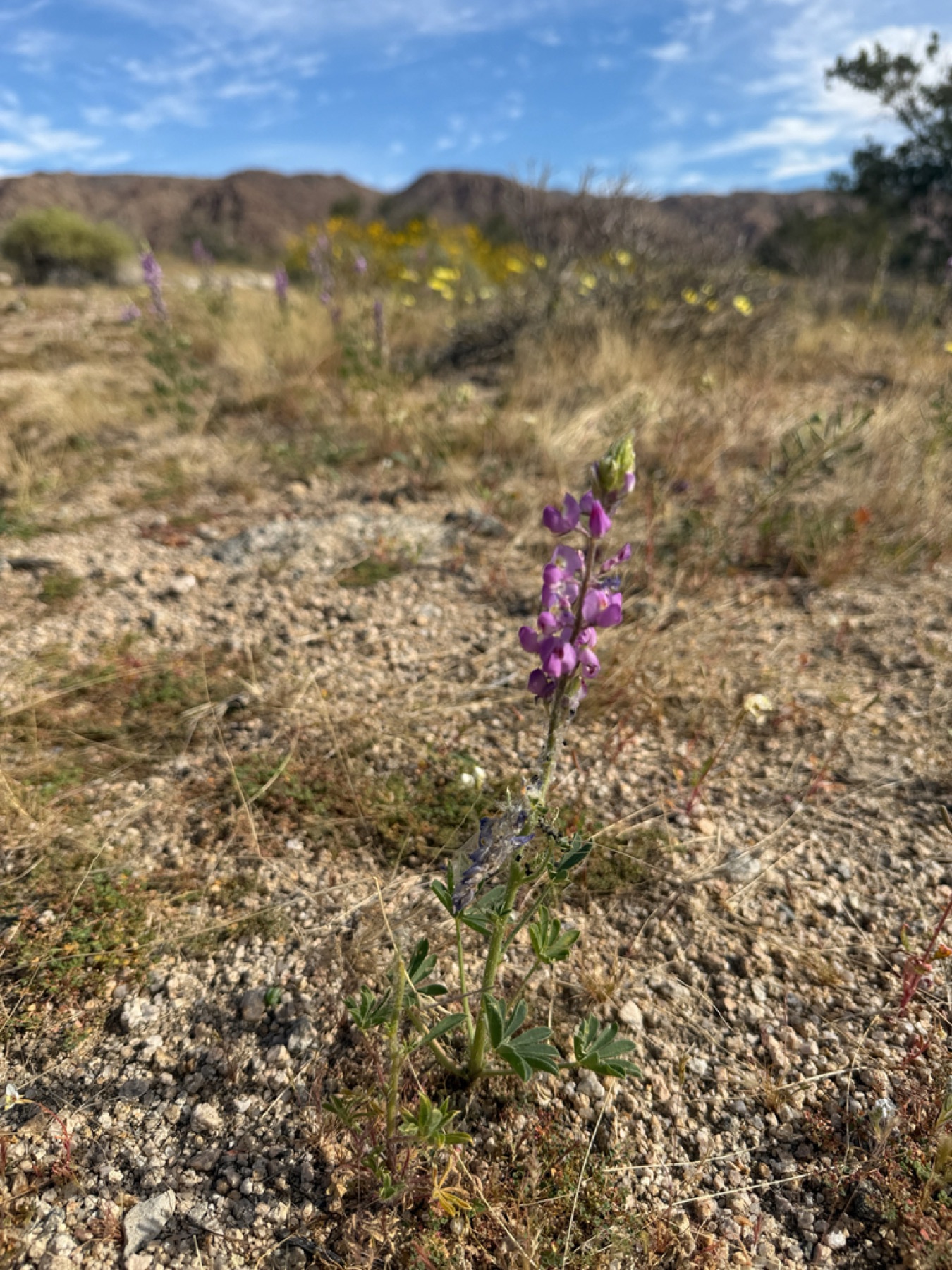
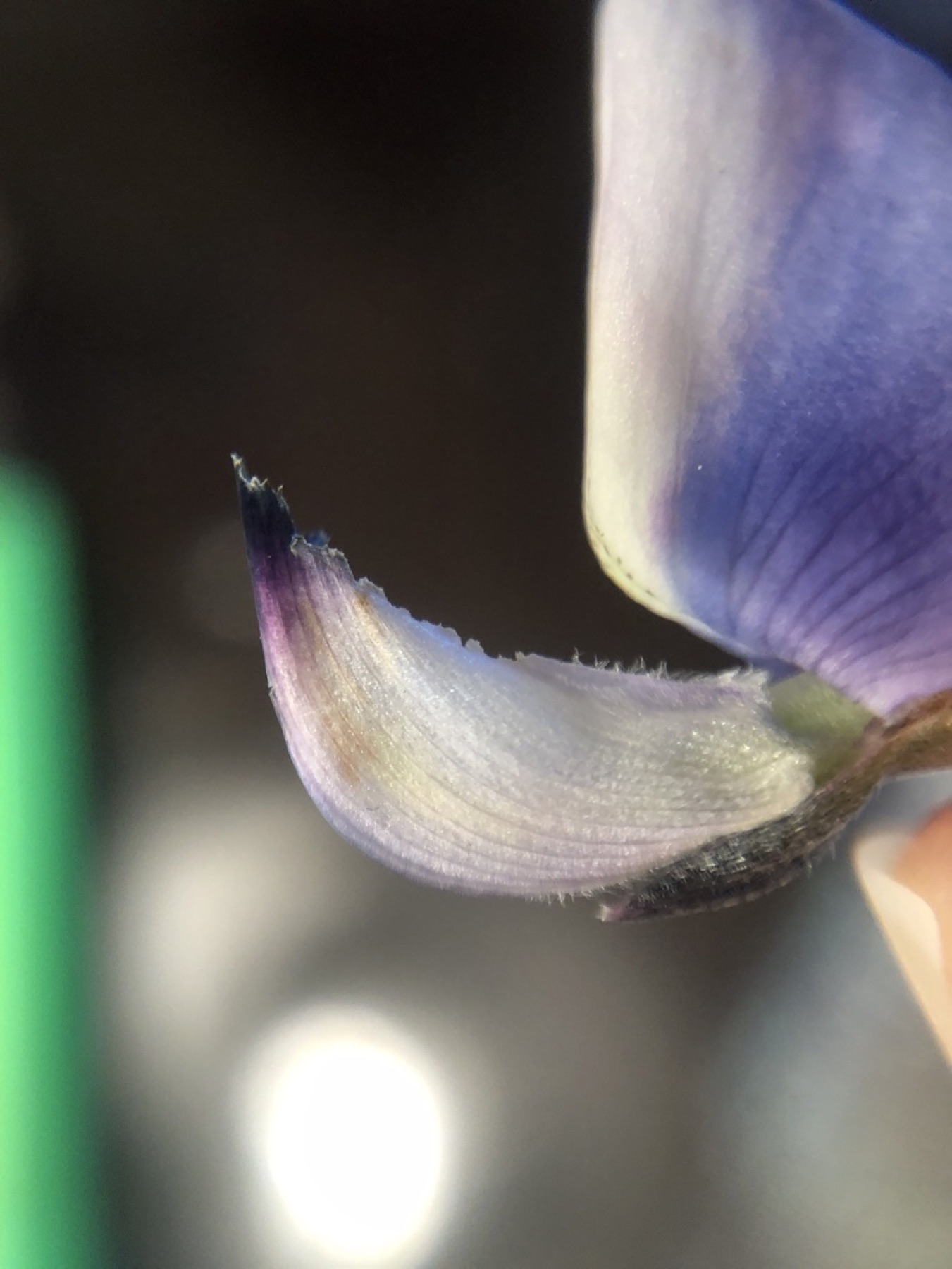
A showy annual lupine with palmate leaves, bristly hairs, and pink to purple flower spikes. The rough hairs can feel irritating, which explains the common name. In good rain years it can be conspicuous in open wildflower habitat.
Wildlife & pollinators
Pea flowers attract native bees and butterflies. Seeds and foliage should not be treated as edible.
Habitat & range
Coastal sage scrub openings, chaparral edges and burns, grasslands, sandy flats, and desert-transition wildflower areas across Southern California.
In the garden
Useful only where you want seasonal native annuals in open soil. Sow in fall and expect year-to-year variation with rainfall.
Propagation
From seed. Scarify lightly and sow before winter rains.
Where to see it near you
- iNaturalist — observed in Southern California
- Spring wildflower fields, open scrub, and disturbed native edges.
Problems
Lupines can be toxic if eaten. The bristly hairs may irritate sensitive skin.