Arizona Lupine
Lupinus arizonicus · Fabaceae
- Form
- Annual herb
- Height
- 0.5-2 ft
- Sun
- Full Sun
- Water
- Very Low
- Blooms
- Feb, Mar, Apr
- Pet toxicity
- Toxic
- Habitat
- Desert · Grassland · Coastal Sage Scrub
🌿 California native
Quick facts · Habitat: Desert flats, sandy washes, open scrub, grassland · Form / size: Spring annual, 0.5-2 ft · Sun: Full sun · Water: Winter rain only · Blooms: Late winter-spring · Pollinator value: High
Description
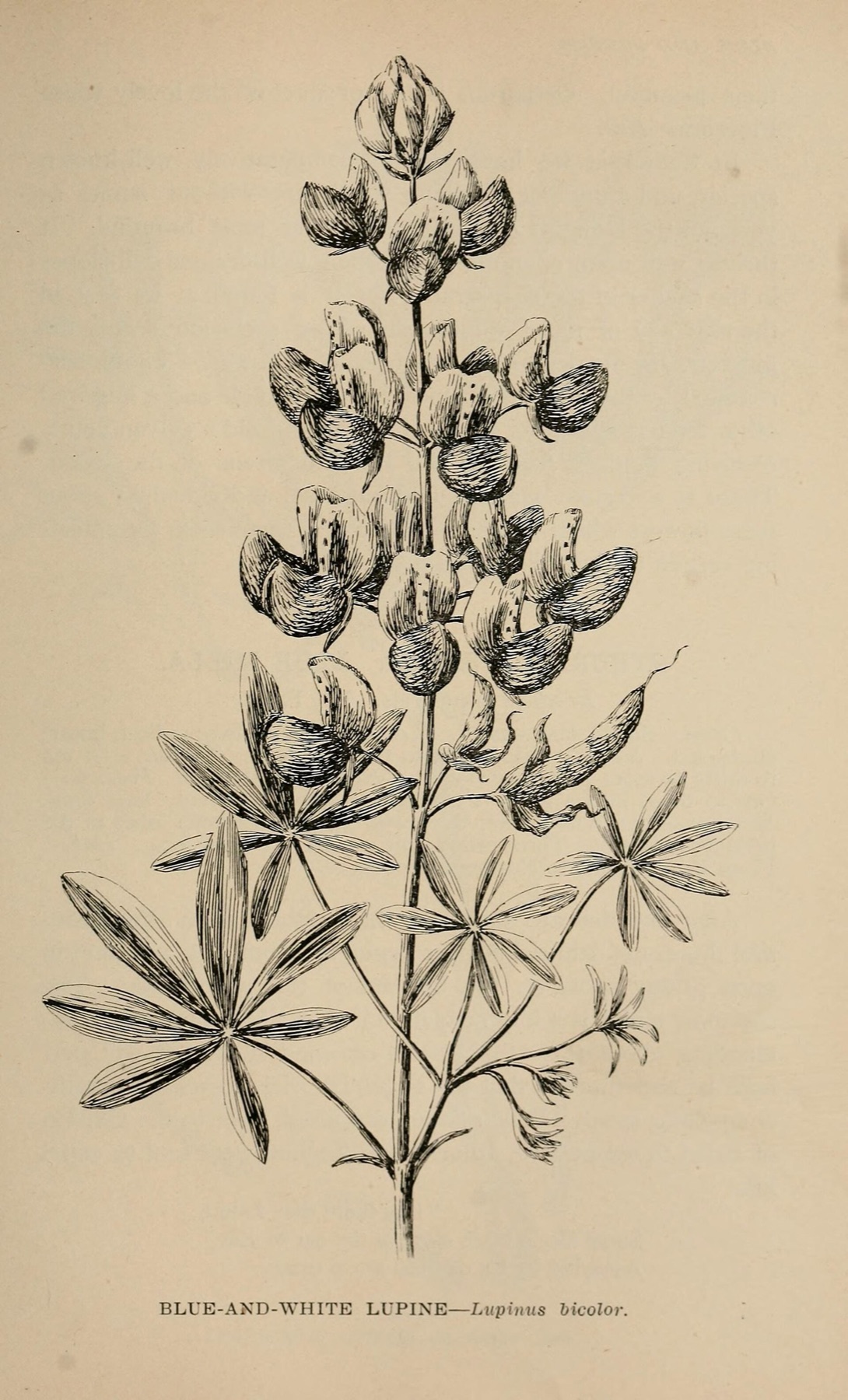
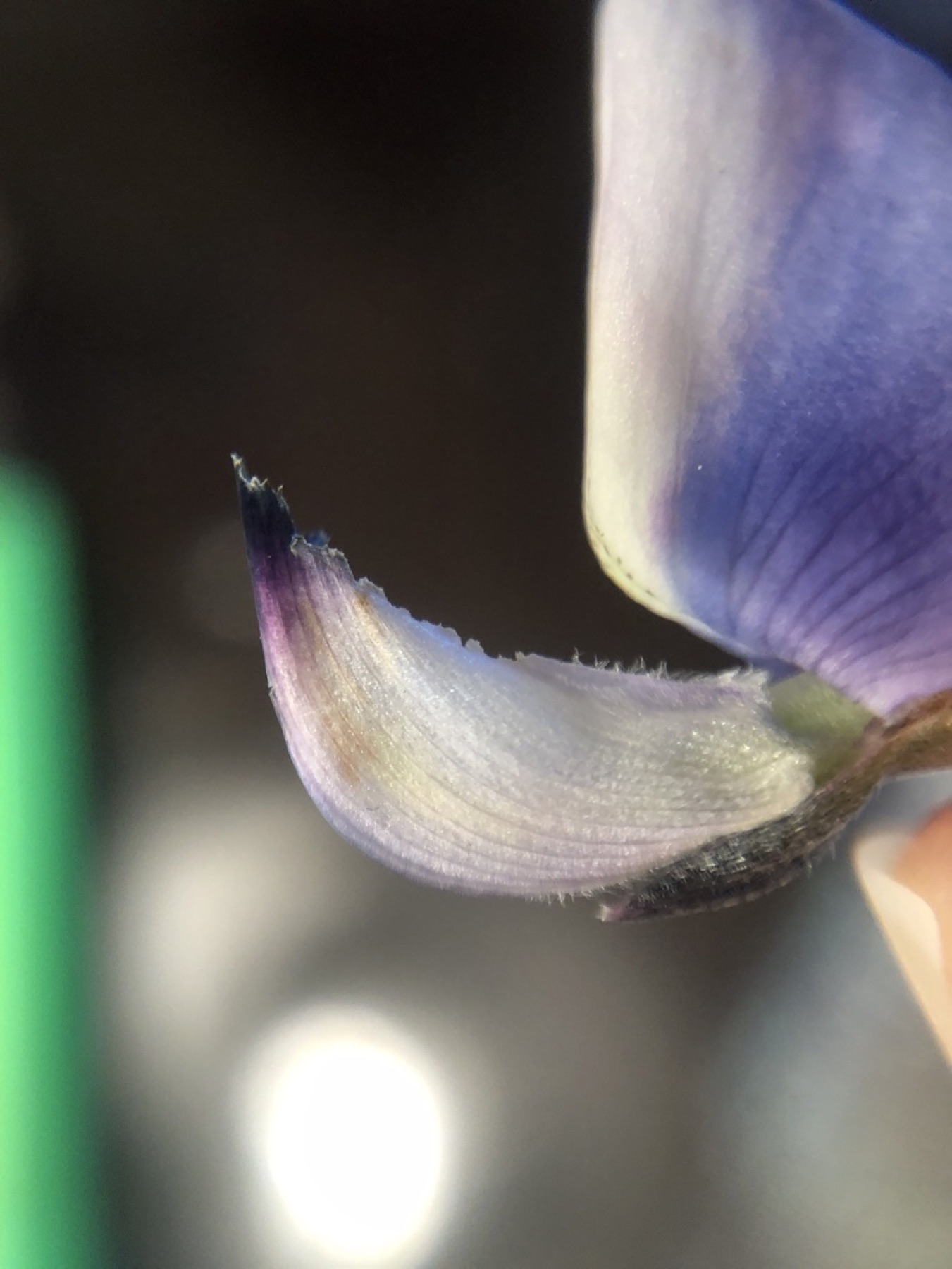
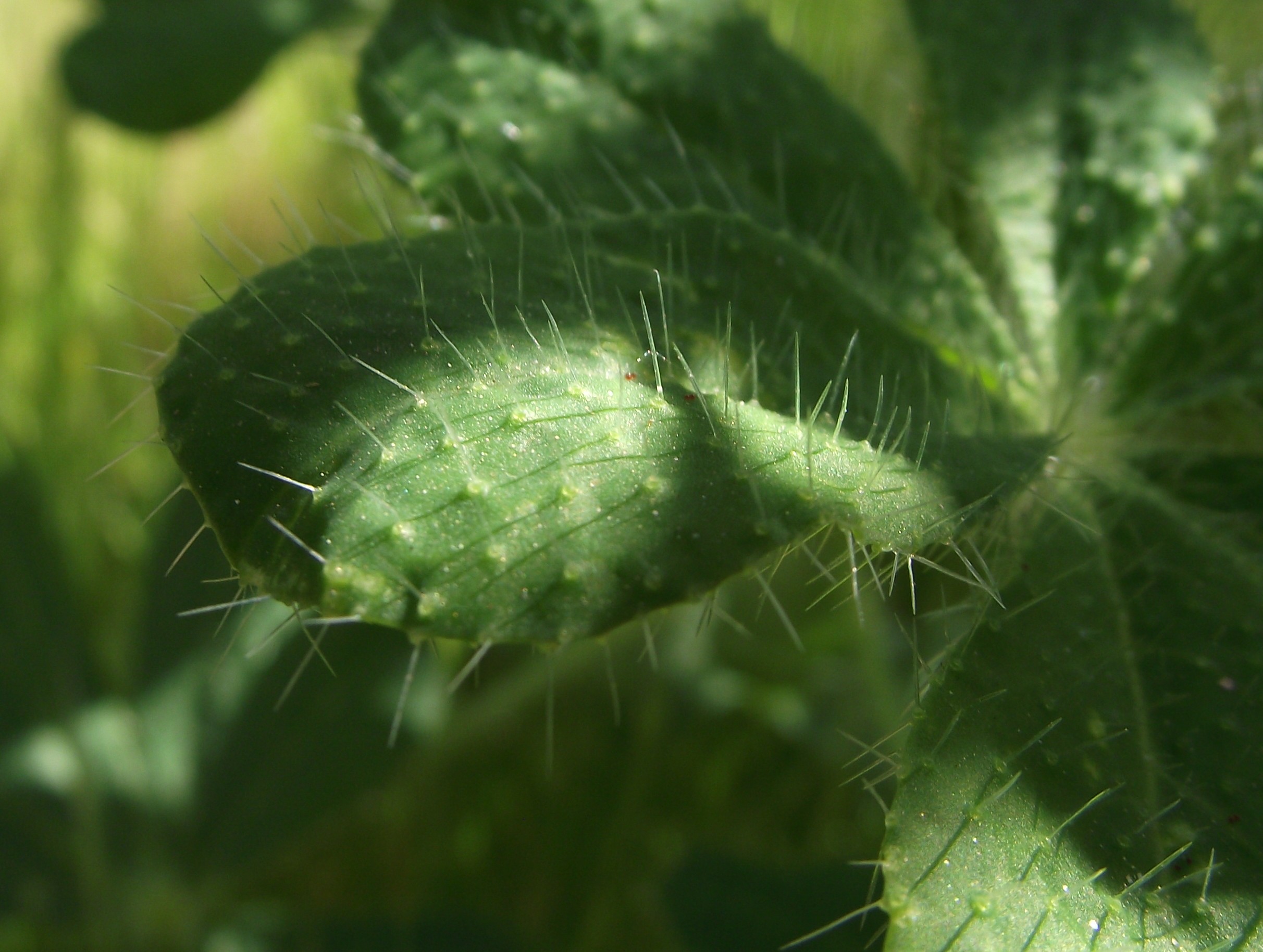
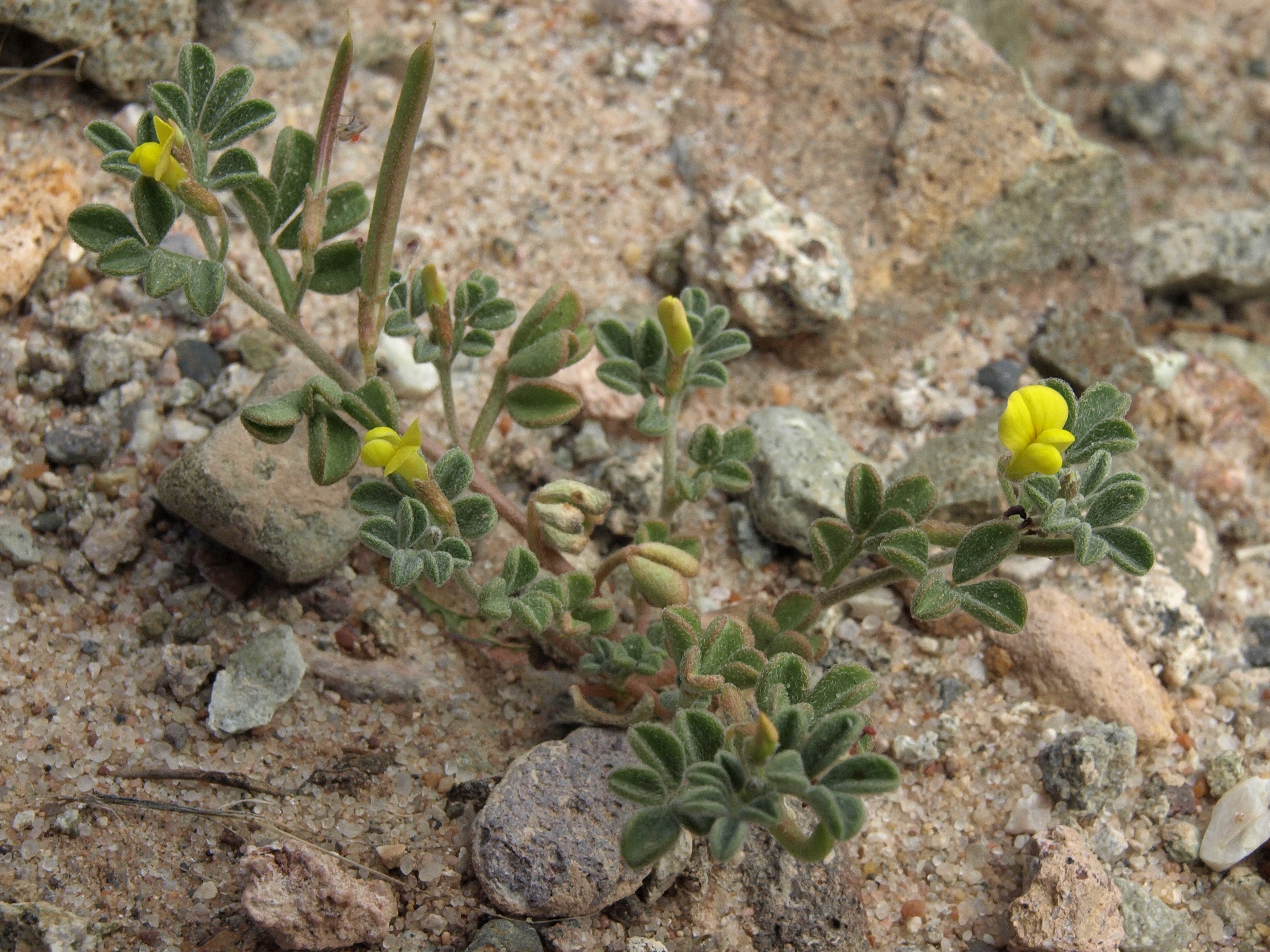
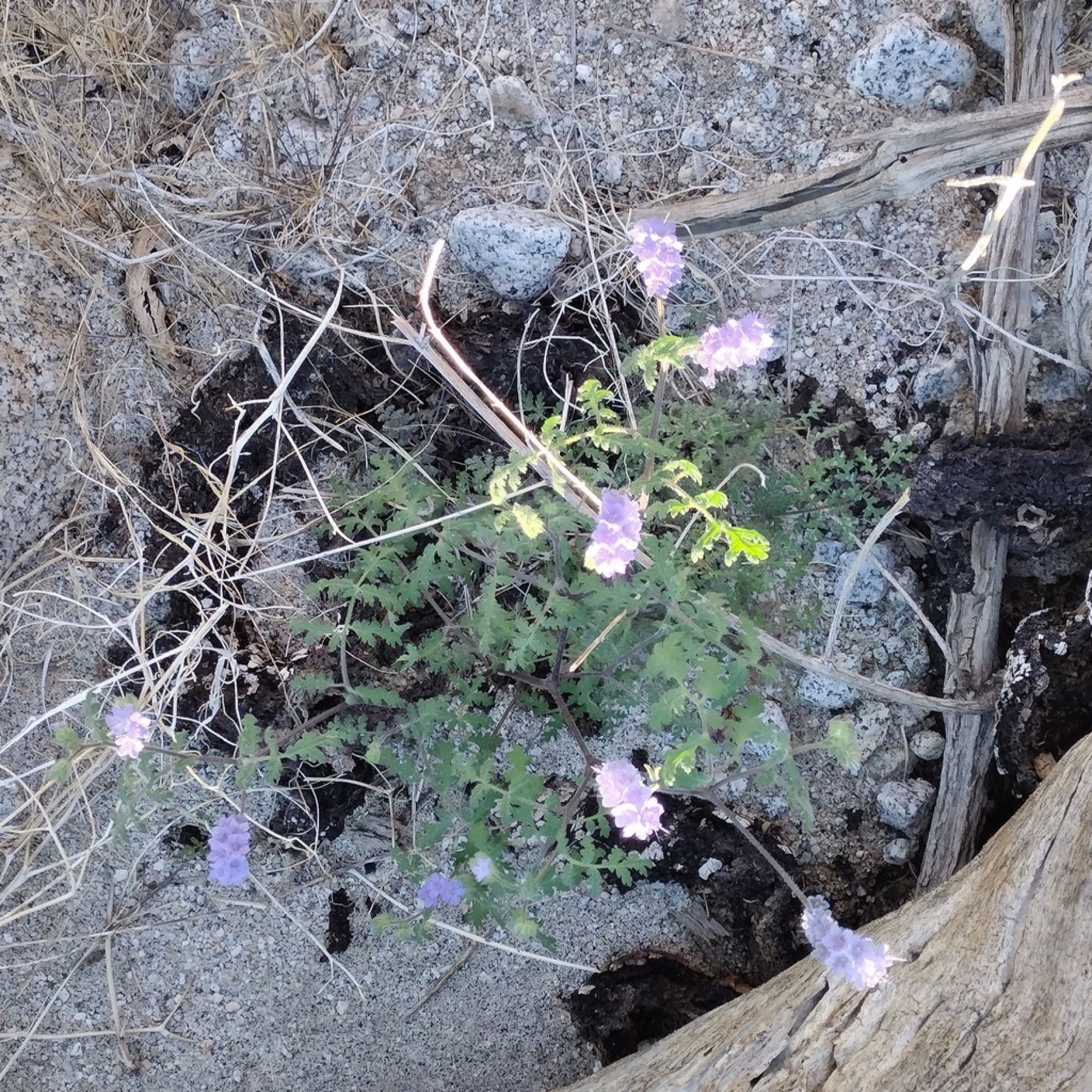
A showy annual lupine with palmately divided leaves and bright pink to magenta-purple flower spikes. In good rain years it can form colorful patches across desert flats and roadsides.
Wildlife & pollinators
Native bees visit the pea flowers. As a legume, it is part of the seasonal nitrogen cycle in open desert soils.
Habitat & range
Desert flats, sandy washes, roadsides, grassland openings, and desert-edge scrub in Southern California and the broader Southwest.
In the garden
Good for dry wildflower mixes in open mineral soil. It is seasonal, not permanent, so plan for reseeding rather than a year-round plant.
Propagation
From seed. Scarification can improve germination; sow in fall before winter rains.
Where to see it near you
- iNaturalist — observed in Southern California
- Desert wildflower fields, sandy washes, and roadsides after winter rain.
Problems
Seeds and foliage can be toxic if eaten. Bloom is strongly rainfall-dependent.