Chia
Salvia columbariae · Lamiaceae
- Form
- Annual
- Height
- 6–24 in
- Sun
- Full Sun
- Water
- Very Low
- Blooms
- Mar, Apr, May, Jun
- Habitat
- Coastal Sage Scrub · Chaparral · Grassland · Desert
🌿 California native
Quick facts
- Habitat: Open scrub, grassland, desert edges, burns
- Form / size: Spring annual, 6–24 in
- Sun: Full sun · Water: Winter rain
- Blooms: Spring–early summer · Pollinator value: High
Description
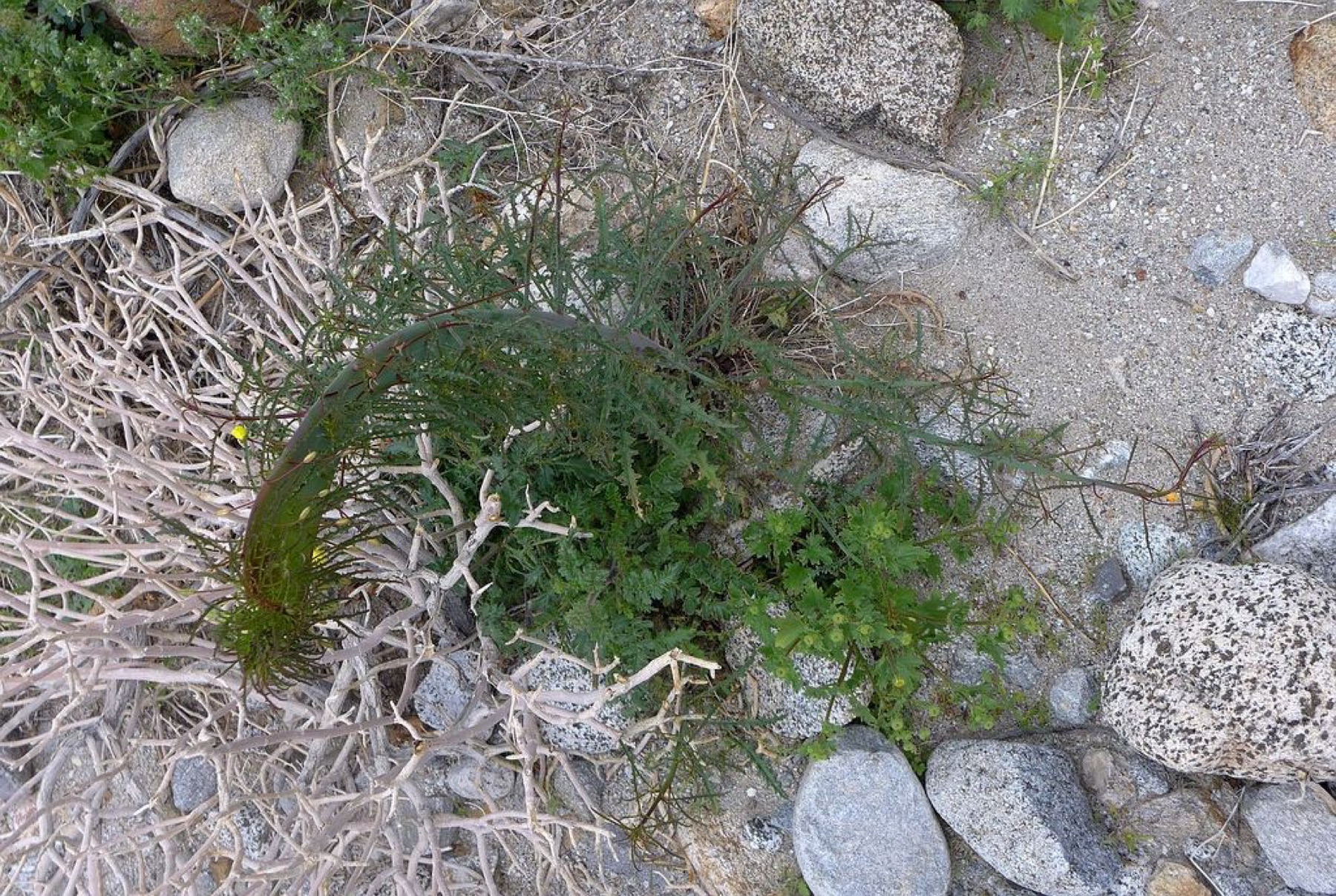
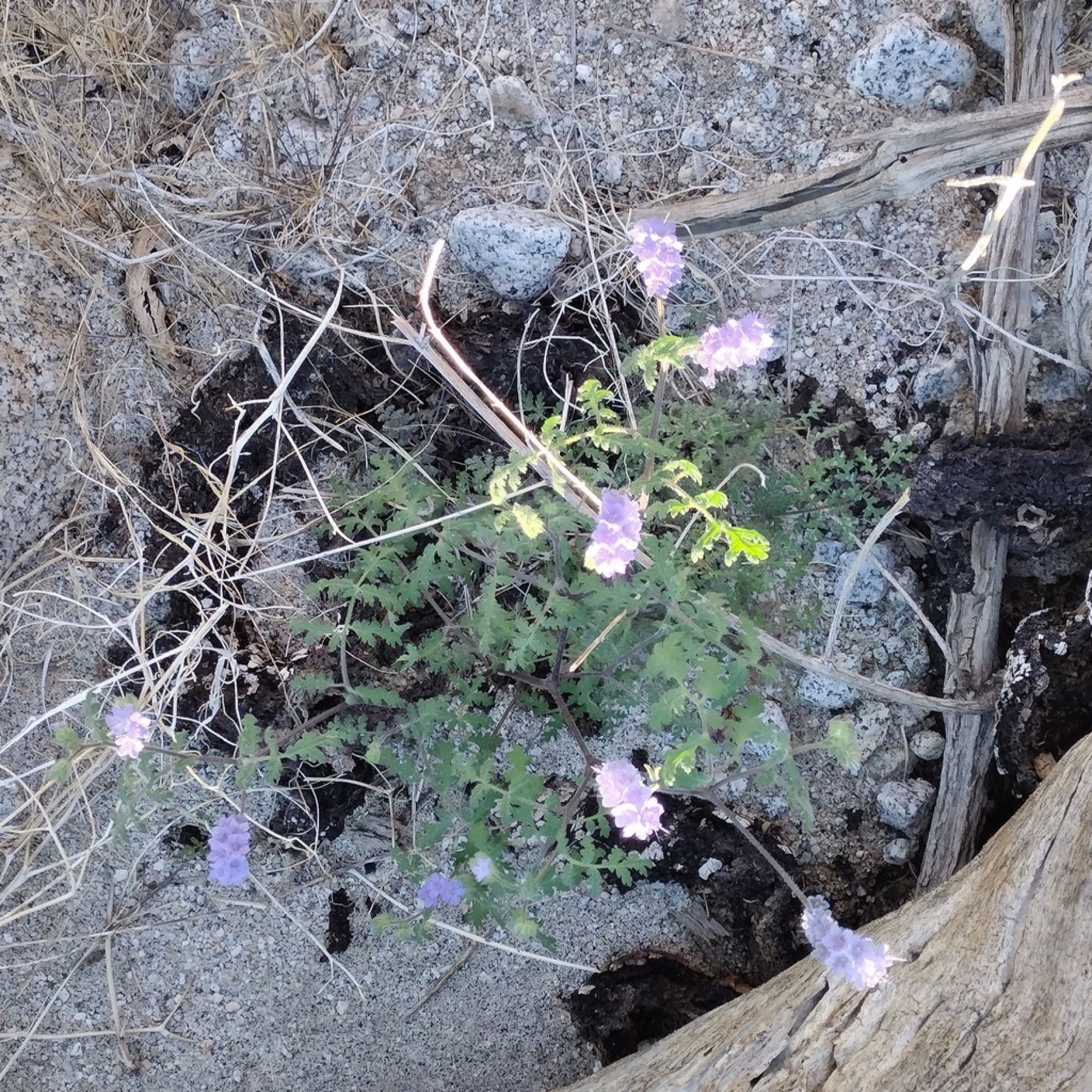
A native annual sage with square stems, wrinkled aromatic leaves, and round stacked flower heads of blue-purple flowers. Dry seed heads become prickly-looking little wheels.
Indigenous & historical use
Chia seed was one of the most important foods across California and the Southwest. The seeds were parched and ground into meal, then stirred into water to make a thick, sustaining drink or gruel; the Cahuilla, Kawaiisu, and Chumash all prepared it this way, and the Kumeyaay chewed the seeds for endurance on long journeys on foot. The mucilaginous seed also worked as medicine, and the Cahuilla tucked a single seed under the eyelid, where it swelled and drew out grit to clean the eye. For the Luiseño and Ohlone as well, chia ranked among the staple seed harvests of Southern and central California.
Ecological role
Chia flowers early in the coastal sage scrub season, offering pollen and nectar to native bees when few other plants are blooming. The seeds attract birds through fall and winter.
Habitat & range
Open coastal sage scrub, chaparral, grassland, desert margins, burns, and other open winter-wet ground across Southern California.
In the garden
Excellent in native wildflower mixes. Sow in fall, keep competition low, and let seed mature if you want it to return.
Propagation
From seed sown in fall before winter rains. Needs open soil and seasonal light.
Where to see it near you
- iNaturalist — observed in Southern California
- Spring wildflower slopes, burns, open scrub, and desert edges.
Problems
Annual abundance swings with rainfall and weed competition.
Sources
- Calscape · iNaturalist · Wikipedia
- Indigenous use: Wikipedia: Salvia columbariae (Uses) · Bean & Saubel, Temalpakh: Cahuilla Indian Knowledge and Usage of Plants (1972) · Moerman, Native American Ethnobotany (Salvia columbariae)
Commonly confused with
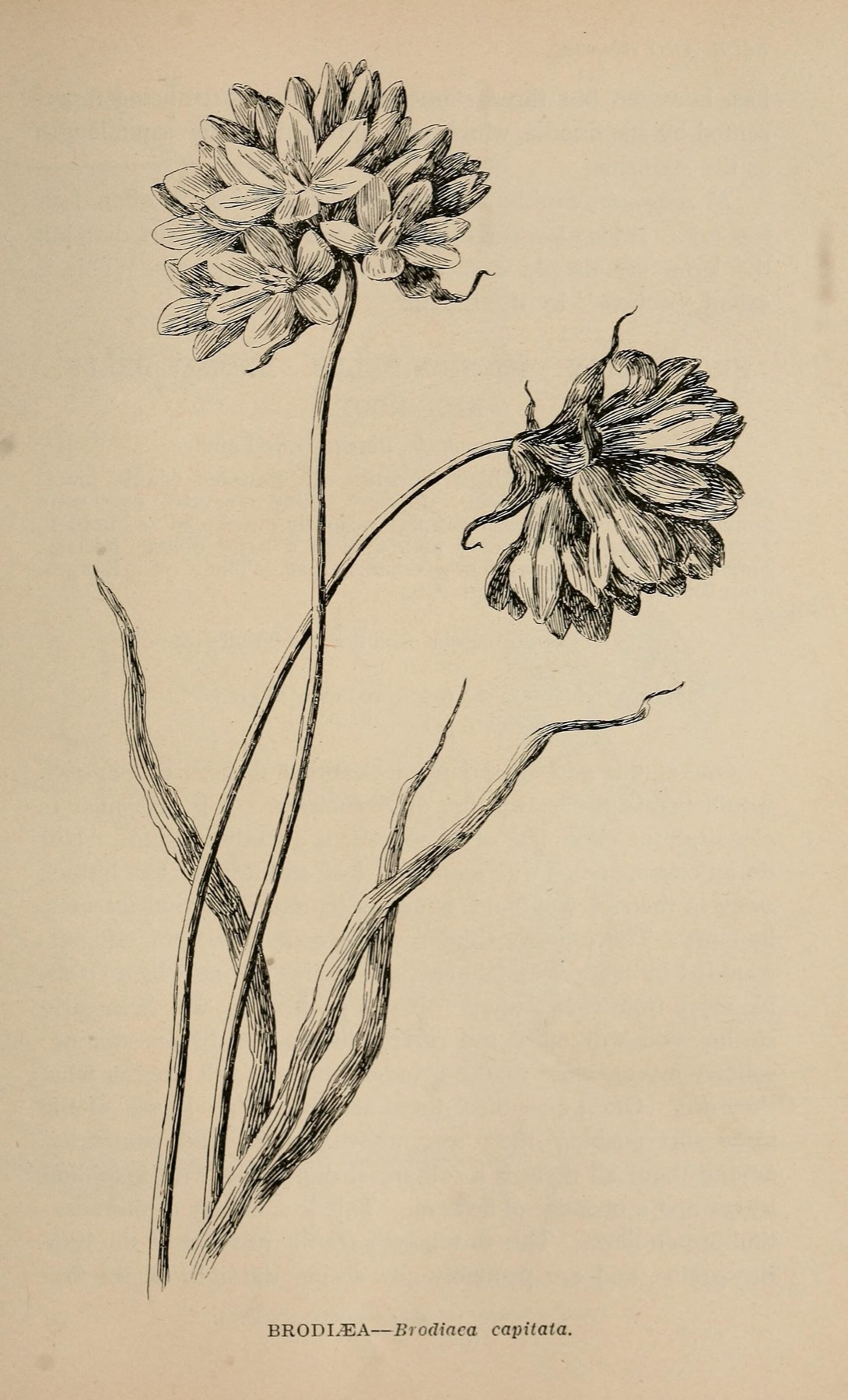 Blue Dicks 🌿 Dipterostemon capitatus also blue-purple in spring, but blue dicks is a bulb with grasslike leaves, not a square-stemmed annual sage.