Yarrow
Achillea millefolium · Asteraceae
- Form
- Perennial
- Height
- 1–3 ft (in bloom)
- Sun
- Full Sun
- Water
- Low
- Blooms
- Apr, May, Jun, Jul
- Pet toxicity
- Mild
- Habitat
- Grassland · Coastal Sage Scrub
🌿 California native
Quick facts
- Habitat: Grassland, open slopes, Coastal Sage Scrub, meadows
- Form / size: Spreading perennial; flower stems 1–3 ft
- Sun: Full sun to part shade · Water: Low
- Blooms: Spring–summer · Pollinator value: High (a top beneficial-insect plant)
Description
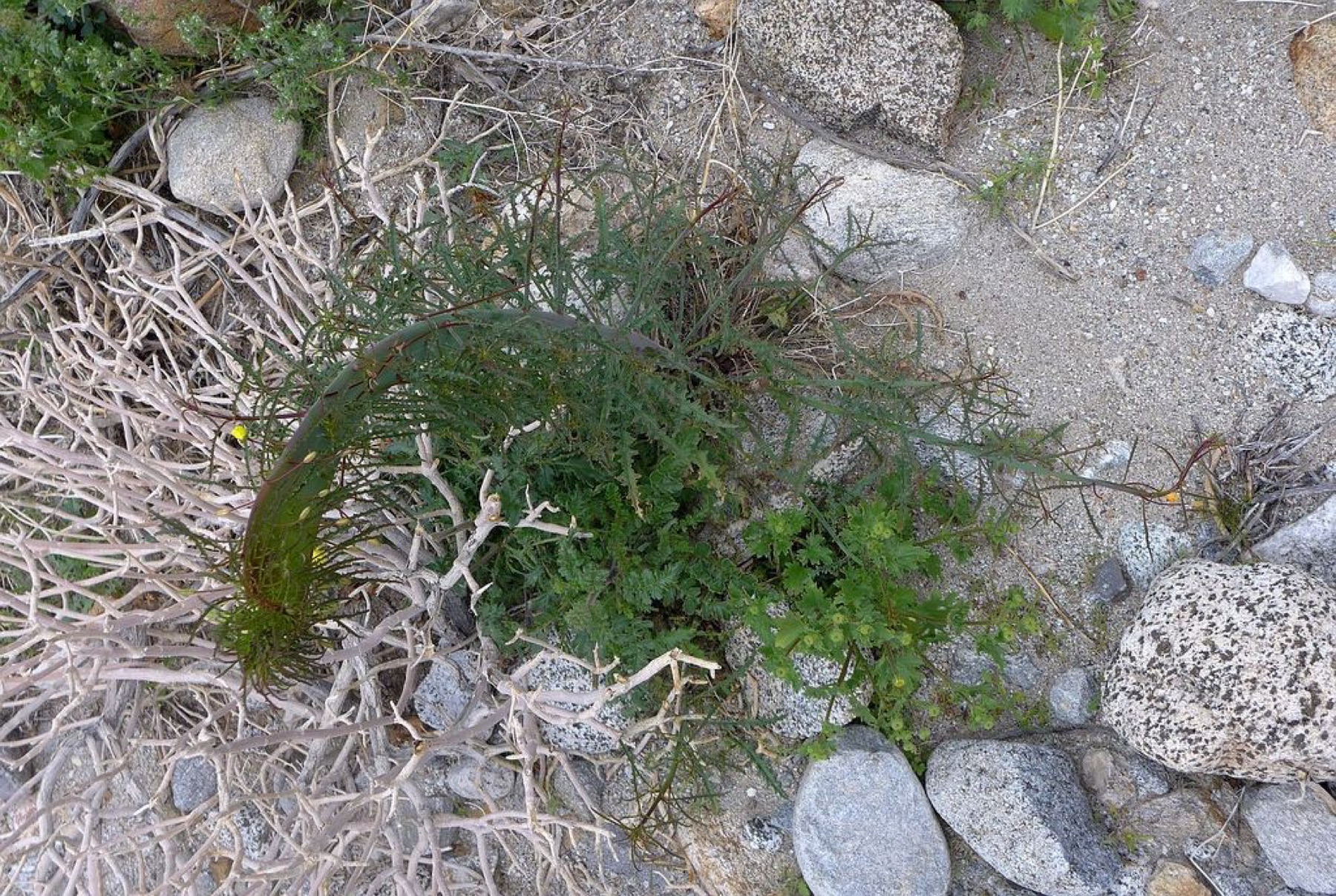
A soft, spreading perennial with finely divided, feathery, aromatic leaves (millefolium = “thousand-leaf”) and flat-topped clusters of small white flowers held above the foliage. Forms a low mat by rhizomes and can take light foot traffic. Long valued as a medicinal/wound herb.
Wildlife & pollinators
The flat flower heads are a landing pad for native bees, hoverflies, tiny wasps, and butterflies — including many beneficial predators of garden pests.
Habitat & range
Grasslands, meadows, open slopes, and coastal bluffs across California (and most of the Northern Hemisphere); extremely adaptable.
In the garden
A versatile, walkable groundcover or meadow component — and one of the best insectary plants for drawing beneficial predators that keep pests down. Full sun, low water; mow or shear after bloom. Spreads, so give it room.
Propagation
Very easy by division of the spreading rhizomes, and from seed.
Where to see it near you
Problems
Trouble-free; its main “issue” is enthusiastic spreading.