Telegraph Weed
Heterotheca grandiflora · Asteraceae
- Form
- Annual
- Height
- 2–6 ft
- Sun
- Full Sun
- Water
- Low
- Blooms
- Jun, Jul, Aug, Sep, Oct, Nov
- Habitat
- Coastal Sage Scrub · Grassland · Disturbed
🌿 California native
Quick facts
- Habitat: Disturbed native ground, roadsides, sandy scrub, burns
- Form / size: Tall annual/biennial, 2–6 ft
- Sun: Full sun · Water (established): Low
- Blooms: Summer–fall · Pollinator value: Moderate
Description
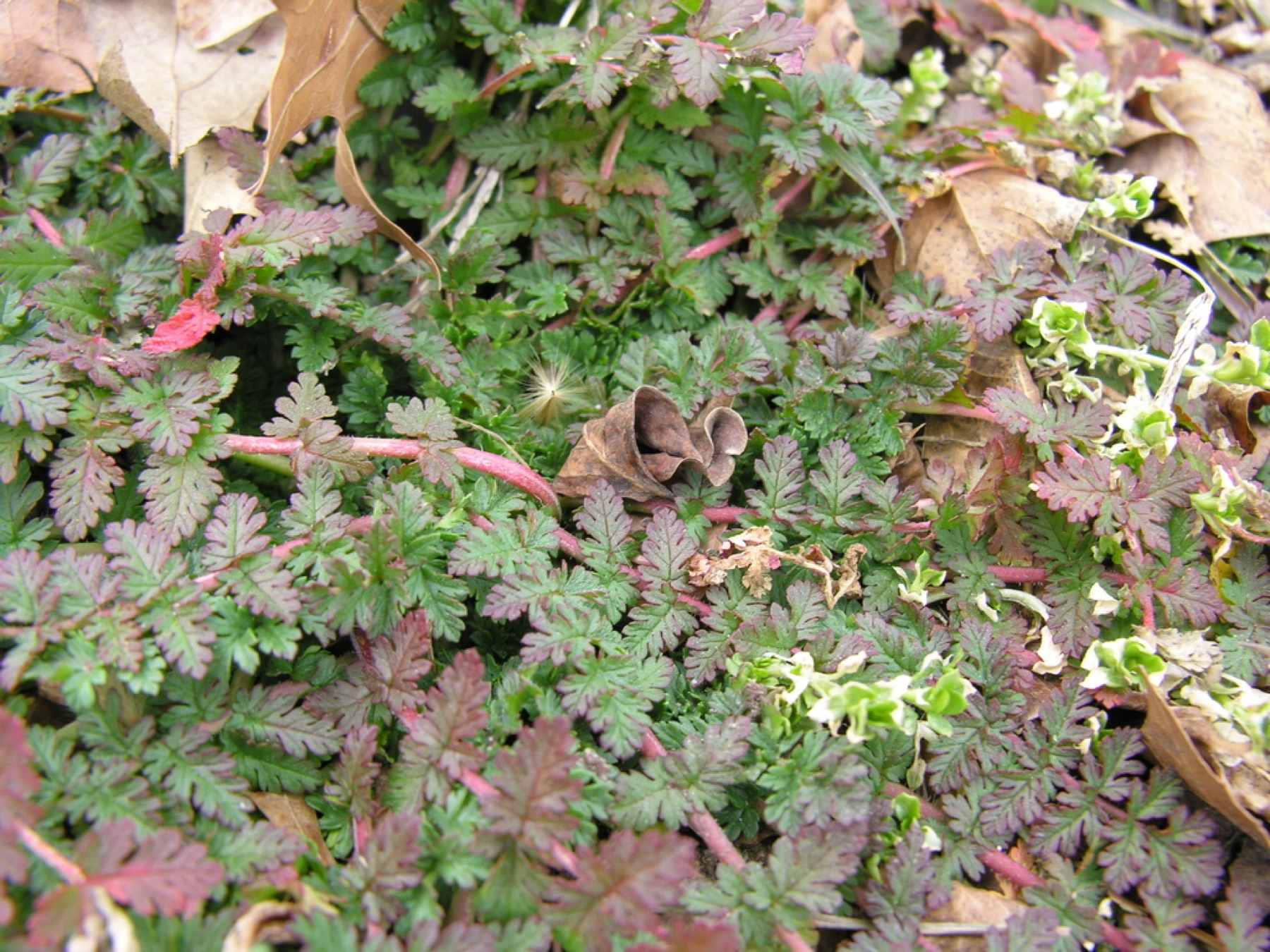
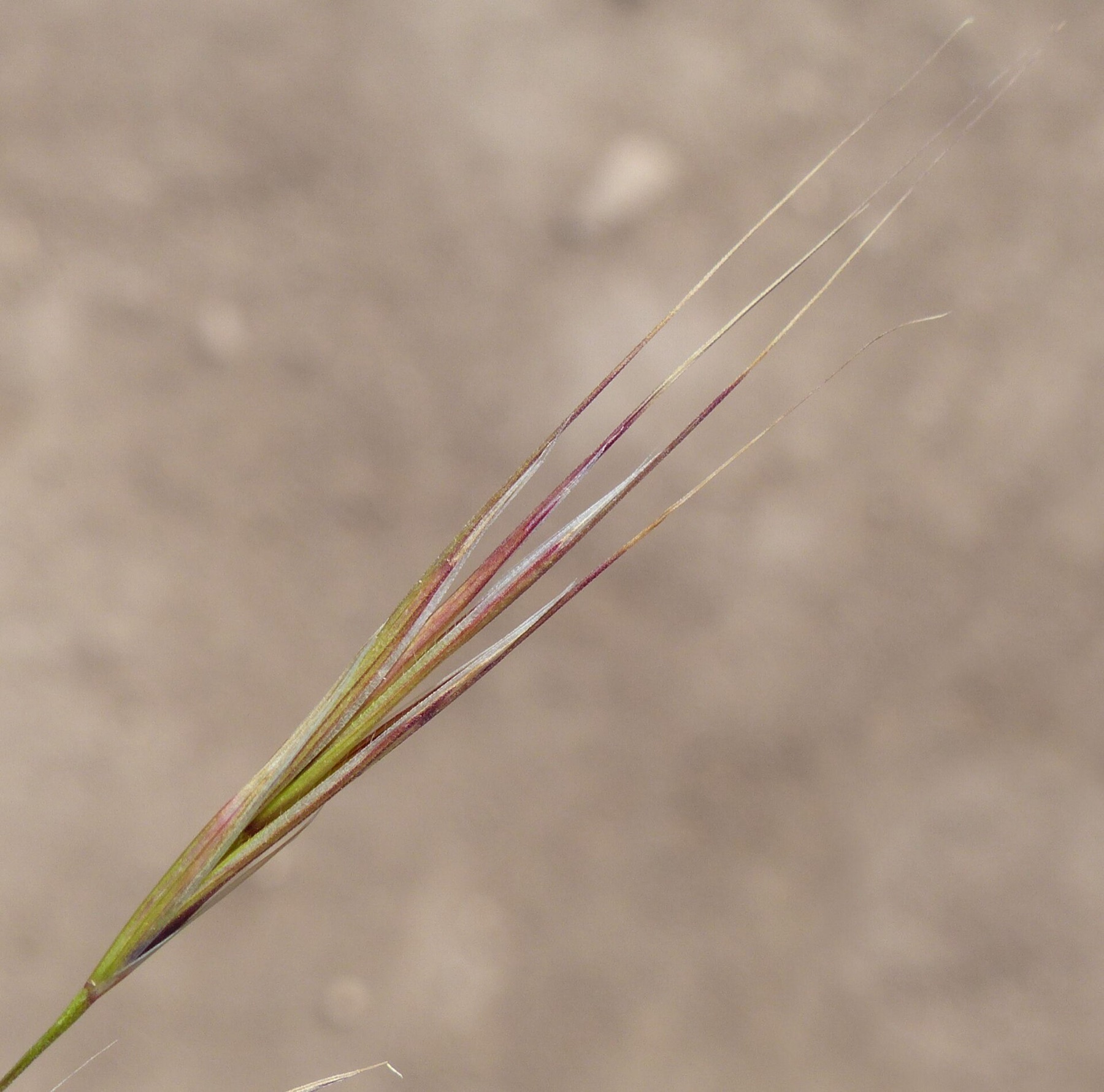
A sticky, aromatic, rough-looking native with tall branching stems, hairy leaves, and yellow daisy-family flower heads. It is often one of the plants that shows up after disturbance — not elegant, exactly, but very much part of the Southern California wildland edge.
Wildlife & pollinators
Flowers attract bees, flies, butterflies, and other small insects during the dry season.
Habitat & range
Roadsides, burns, sandy washes, disturbed coastal sage scrub, and open dry ground across coastal and inland Southern California.
In the garden
More useful in restoration and habitat patches than in tidy design. Let a few stand in rough corners if you want late-season insect activity and seed.
Propagation
From seed, usually after disturbance or open soil. Sow in fall or let it self-sow in a wild patch.
Where to see it near you
- iNaturalist — observed in Orange County
- Roadsides, sandy disturbed ground, burns, and scrub edges.
Problems
Can look weedy and self-sow in open soil. Best for wilder areas.
Sources
Commonly confused with
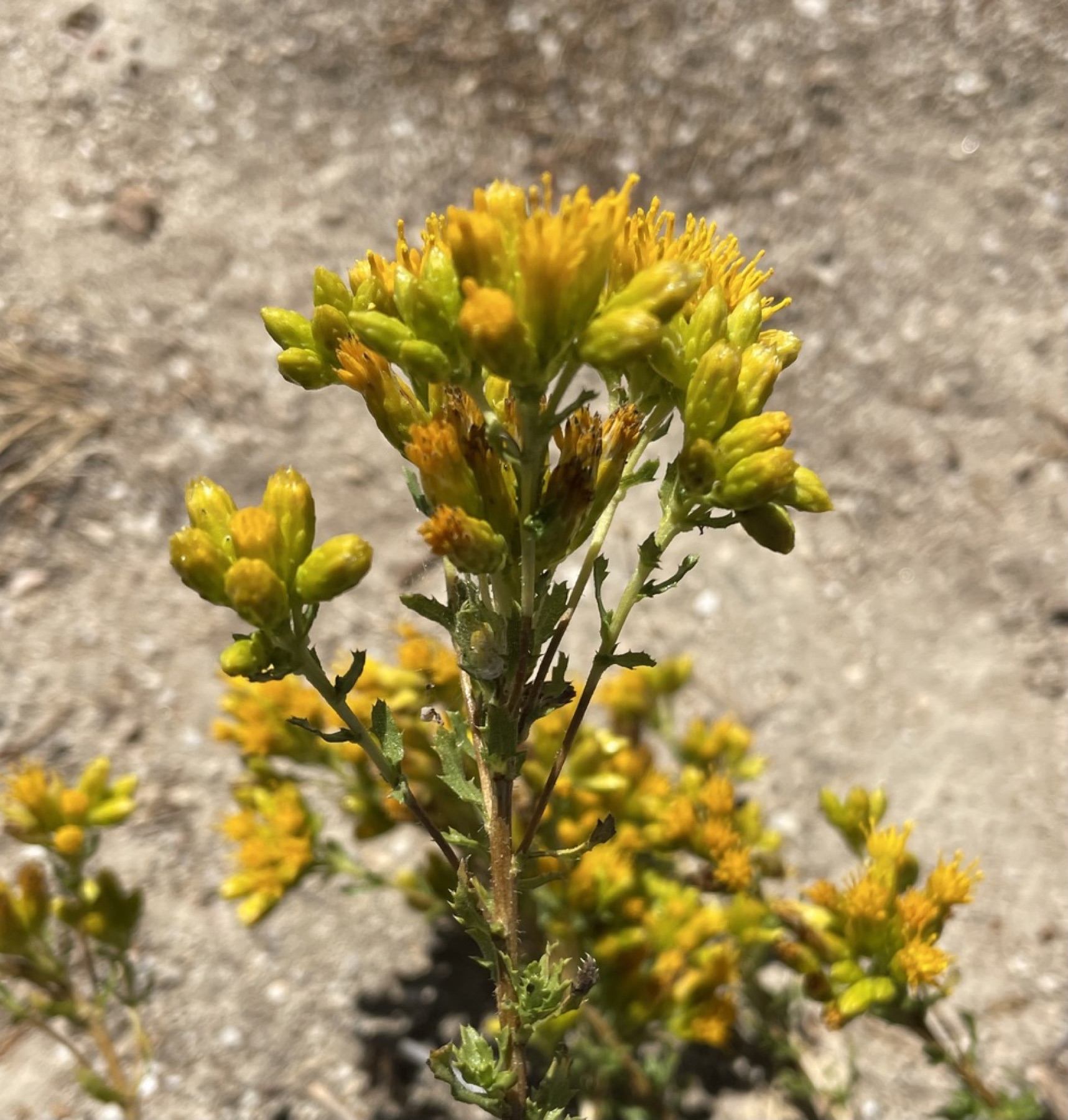 Coastal Goldenbush 🌿 Isocoma menziesii woody shrub with denser form; telegraph weed is taller, stickier, and more annual/biennial.