Scarlet Pimpernel
Lysimachia arvensis · Primulaceae
- Height
- 2-12 in
- Habitat
- Disturbed · Grassland · Coastal Sage Scrub
🌍 Non-native — naturalized; not a control priority
Quick facts
- Habitat: Disturbed ground, lawns, roadsides, fields, open scrub
- Form / size: Low annual, usually under 1 ft
- Status: Non-native naturalized weed · not usually a priority removal target
- Blooms: Spring, small orange-red or blue flowers
Description
A low, delicate annual with opposite leaves and tiny star-shaped flowers, often orange-red but sometimes blue. It creeps through open disturbed soil and disappears as conditions dry.
Wildlife & pollinators
Small flowers are visited by small insects, but native annuals are better habitat plants.
Habitat & range
Lawns, fields, roadsides, disturbed scrub, gardens, and annual grassland throughout Southern California.
In the garden
Mostly a small weed of disturbed soil. It is not usually a major restoration priority, but it signals open, weedy ground.
Propagation
By seed.
Where it’s spread near you
Sources
Commonly confused with
🌿 Native blue-eyed grass or phacelias pimpernel is low, opposite-leaved, and weedy, with tiny star flowers.
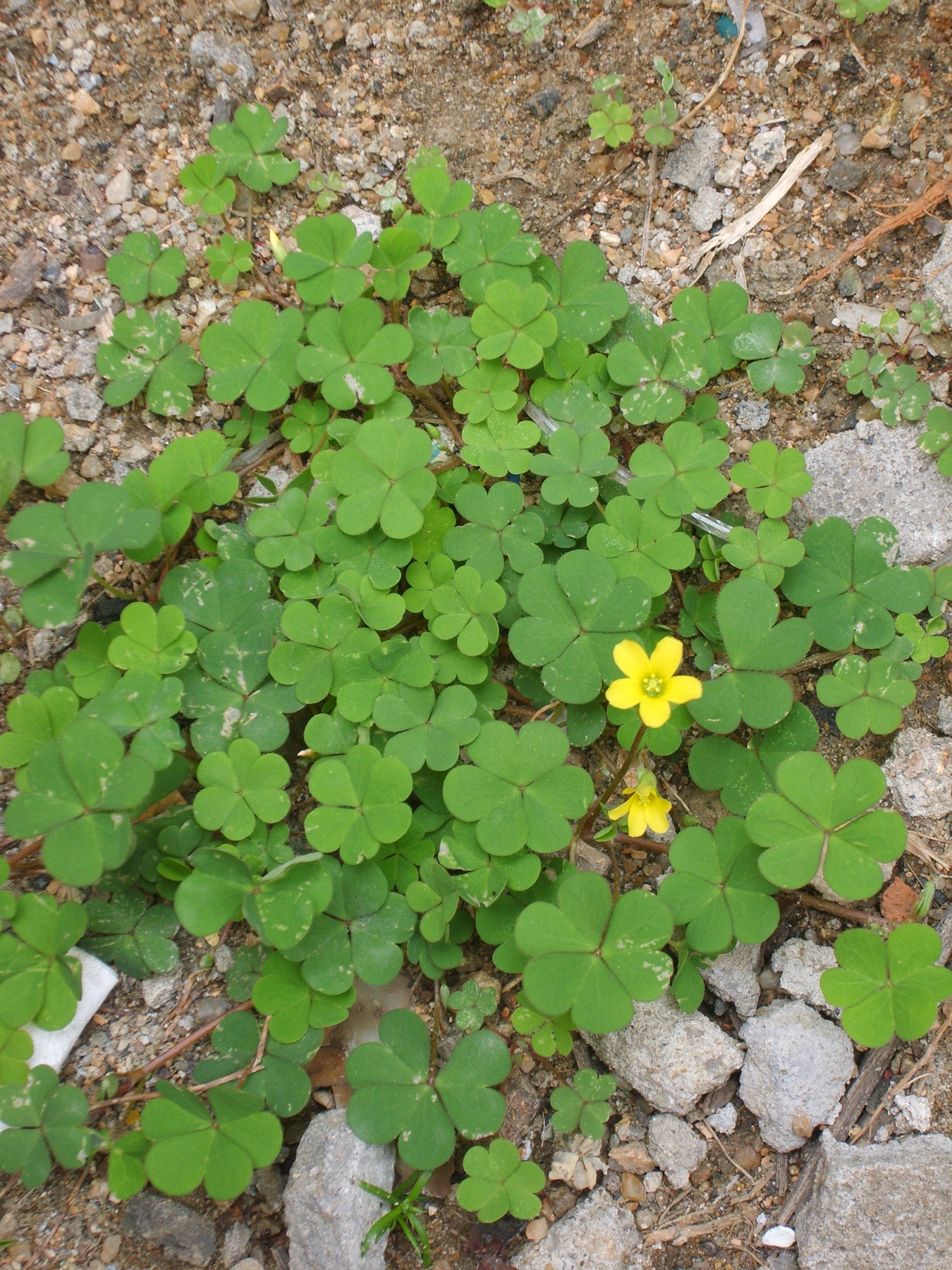 Creeping Woodsorrel 🌍 Oxalis corniculata yellow flowers and clover-like leaves.