Fountain Grass
Cenchrus setaceus · Poaceae
- Height
- 2-5 ft
- Habitat
- Coastal Sage Scrub · Chaparral · Desert · Disturbed
🚫 Invasive — priority to remove
At a glance
- Tell-tale sign: Rounded clumps with arching pink-purple bottlebrush plumes
- Priority: Yes — remove before it seeds, especially near wildland edges
- Why it matters: Escapes landscaping and adds flashy fire fuel
How to identify
A dense bunchgrass with narrow leaves and showy arching flower plumes that look like soft bottlebrushes. Landscape forms often sit at the edge of roads, parking lots, slopes, and yards — exactly where seed can blow into wildland.
Why it’s a problem
Fountain grass invades dry slopes, washes, and scrub, where it competes with natives and creates continuous fine fuel that carries fire.
How it spreads
By abundant wind- and water-moved seed, often from ornamental plantings.
How to remove it
Dig out the crown before seed matures. Bag seed heads. For larger plants, cut plumes first, then remove the whole crown and monitor seedlings after rain.
Plant this instead
Use native grasses and dryland structure: Deergrass, Purple Needlegrass, Giant Wild Rye, California Fuchsia, and California Buckwheat.
Where it’s spread near you
Sources
Commonly confused with
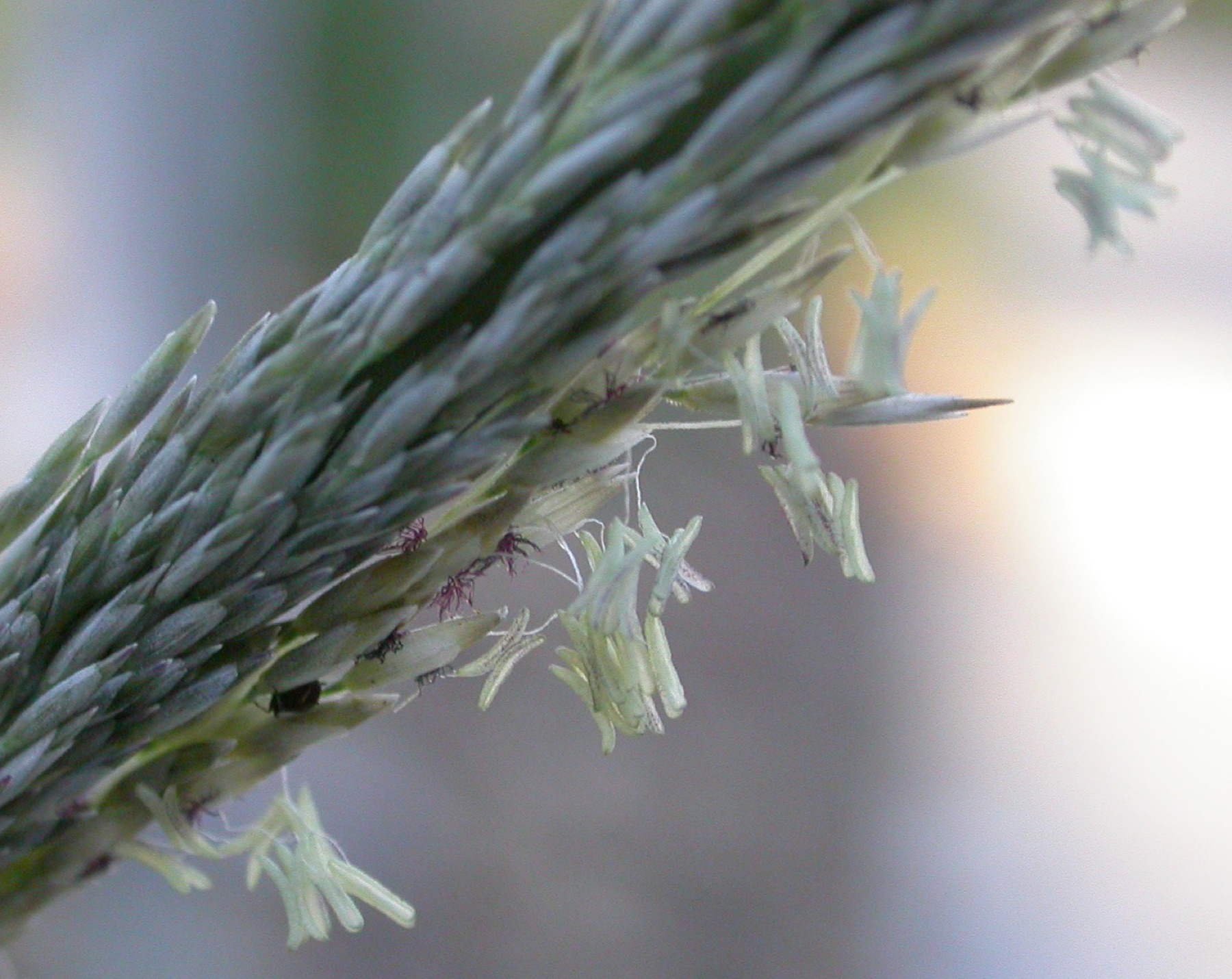 Deergrass 🌿 Muhlenbergia rigens native, larger, with open tan flower sprays rather than purple bottlebrush plumes.