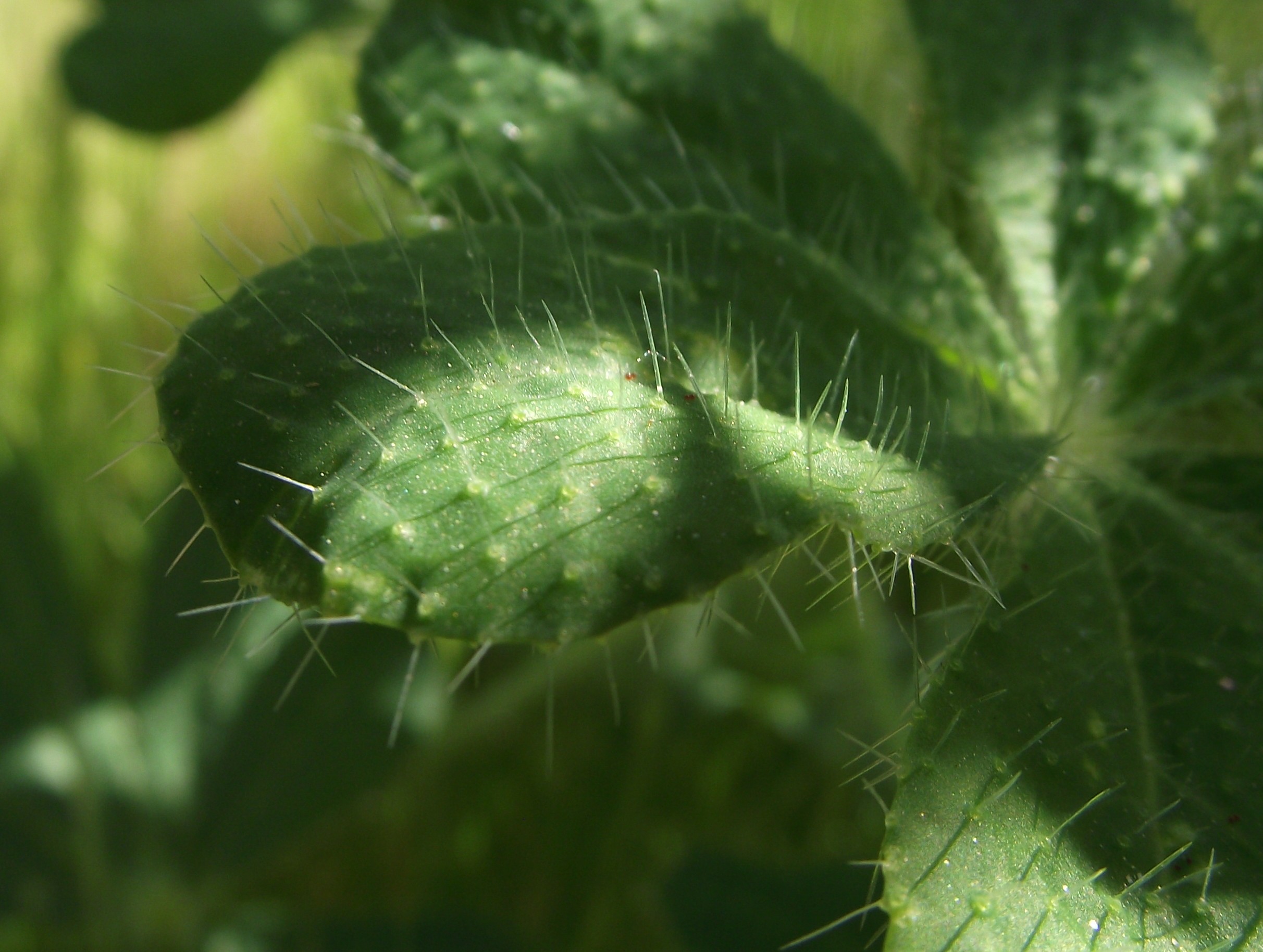
Browneyes
Chylismia claviformis · Onagraceae
- Form
- Annual herb
- Height
- 0.5-2 ft
- Sun
- Full Sun
- Water
- Very Low
- Blooms
- Feb, Mar, Apr, May
- Pet toxicity
- Unknown
- Habitat
- Desert · Coastal Sage Scrub · Chaparral
🌿 California native
Quick facts · Habitat: Desert flats, sandy washes, dry scrub openings · Form / size: Spring annual, 0.5-2 ft · Sun: Full sun · Water: Winter rain only · Blooms: Late winter-spring · Pollinator value: Moderate
Description
A desert annual with pale yellow to cream flowers, usually marked by a darker brownish center. Plants can be low and sparse or more upright after good rains.
Wildlife & pollinators
Visited by bees and moths, especially during desert annual bloom years.
Habitat & range
Sandy flats, desert washes, open scrub, roadsides, and dry slopes through Southern California deserts and desert-edge scrub.
In the garden
Good for dry wildflower mixes in sandy, open soil. It needs seasonal rainfall cues and should dry out after flowering.
Propagation
From seed. Sow in fall on open sandy or gravelly soil.
Where to see it near you
- iNaturalist — observed in Southern California
- Desert washes and sandy flats after winter rain.
Problems
Bloom varies strongly with rainfall. In dry years it may be scarce or tiny.
Sources
Commonly confused with
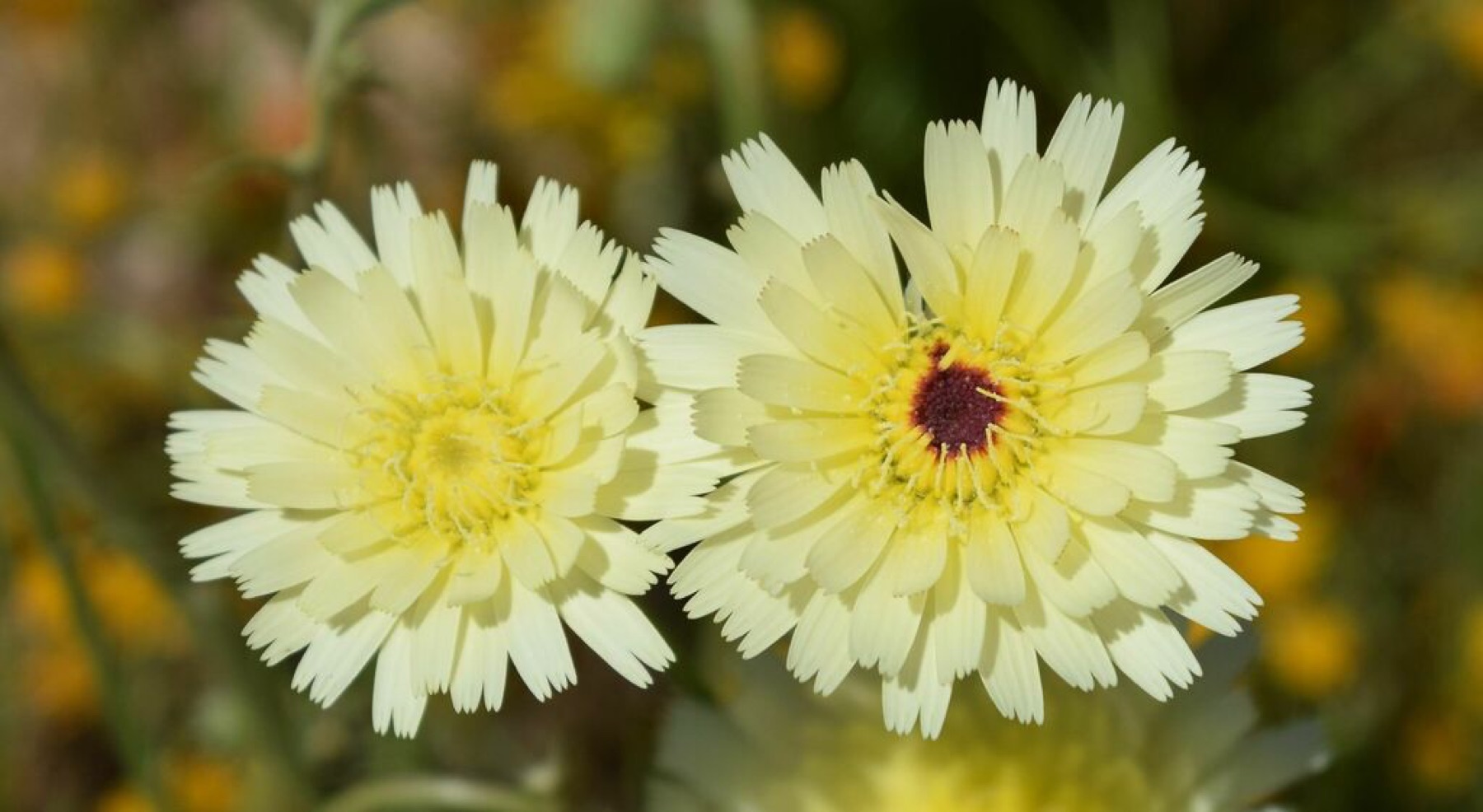 Desert Dandelion 🌿 Malacothrix glabrata brighter yellow composite flower heads; browneyes has evening-primrose flowers with a darker center.
 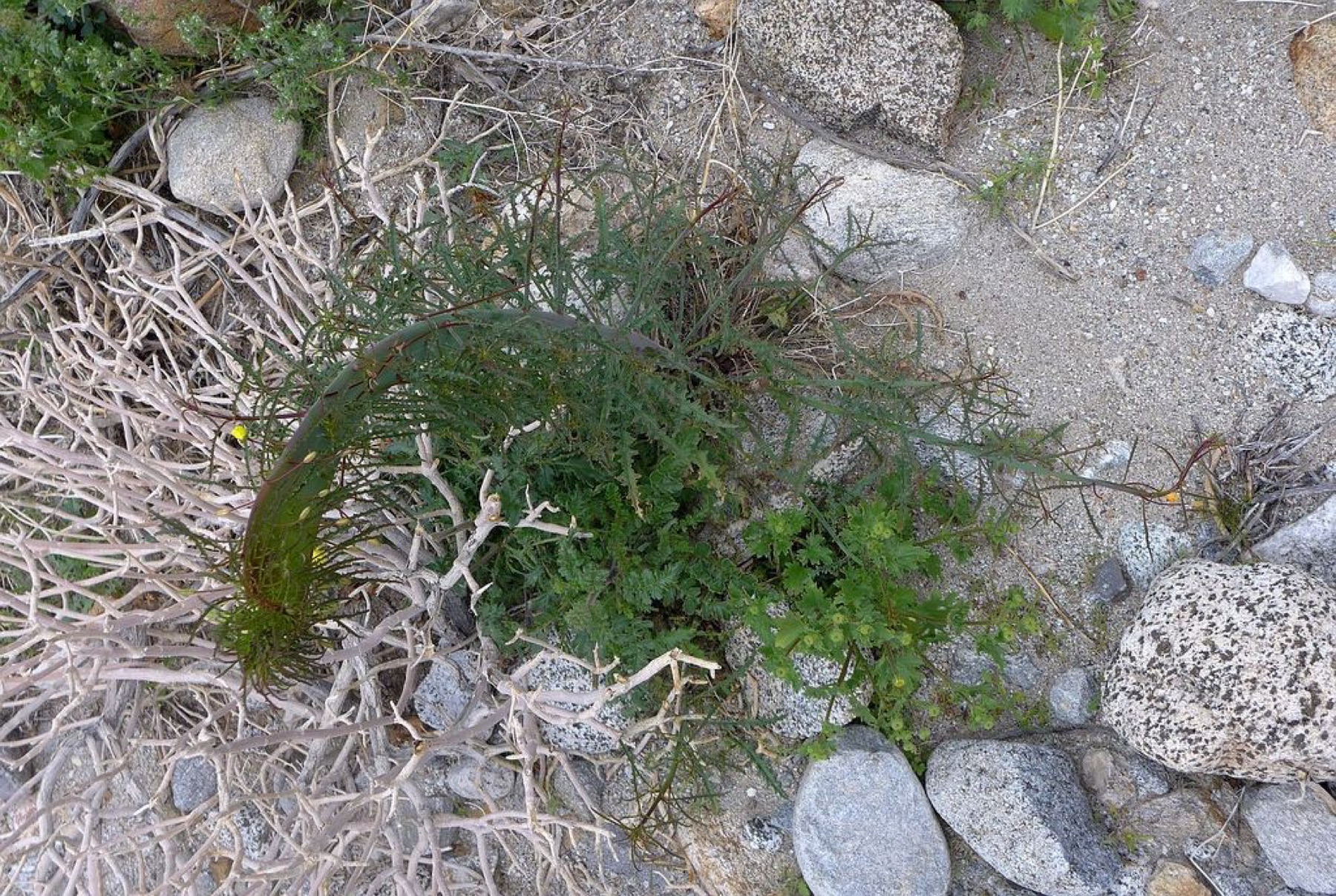 California Primrose 🌿 Eulobus californicus often larger, pale flowers and different leaf shape; browneyes is more desert-annual and usually marked with brown centers.