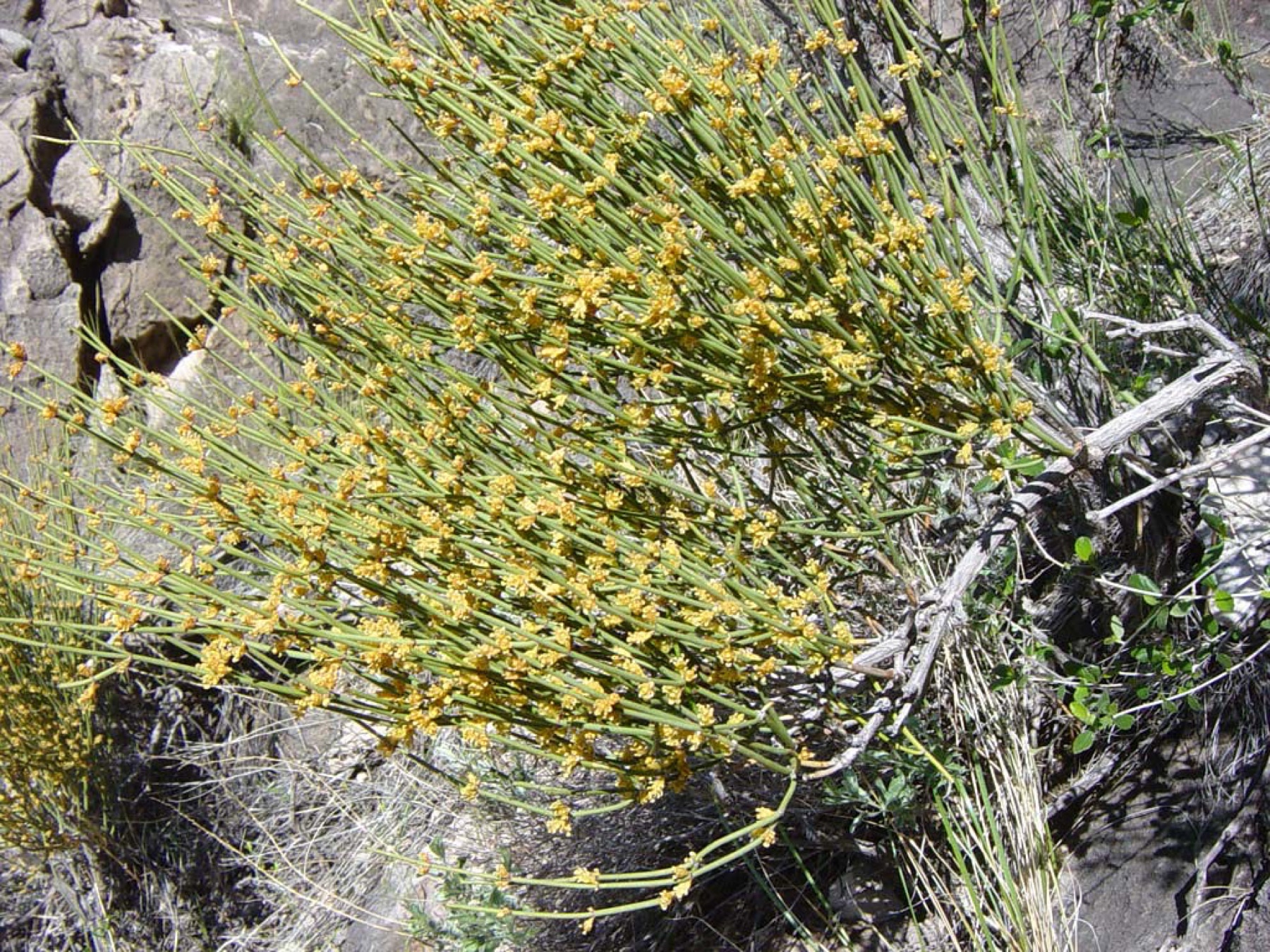
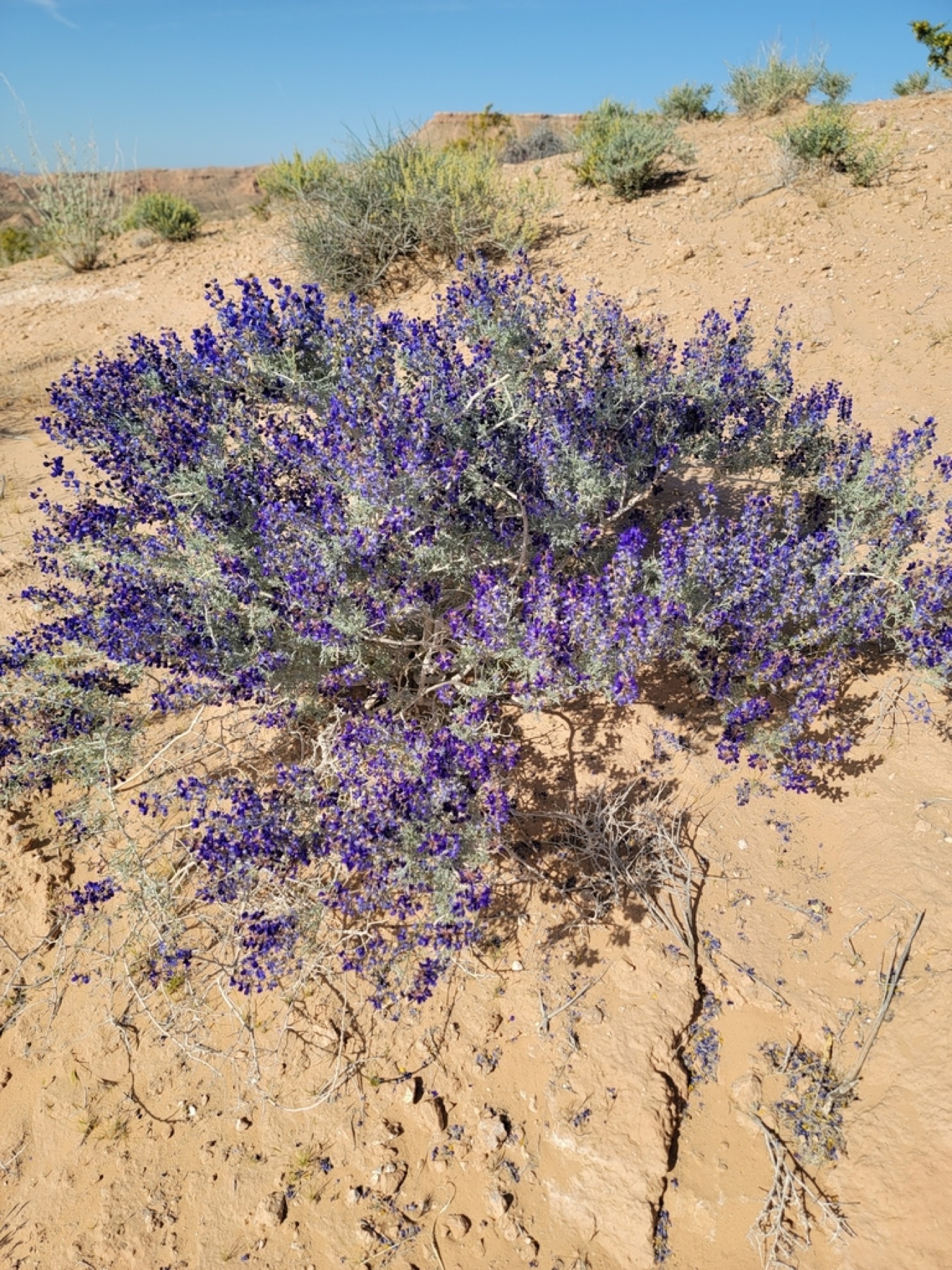
Desert Paintbrush
Castilleja chromosa · Orobanchaceae
- Form
- Perennial
- Height
- 4–16 in
- Sun
- Full Sun
- Water
- Very Low
- Blooms
- Apr, May, Jun
- Habitat
- Desert · Sagebrush Scrub
🌿 California native
Quick facts
- Habitat: Open Desert flats and dry Sagebrush Scrub
- Form / size: Low hemiparasitic perennial, 4–16 in
- Sun: Full sun · Water: Very low
- Blooms: Spring red-orange paintbrush heads · Pollinator value: High
Description
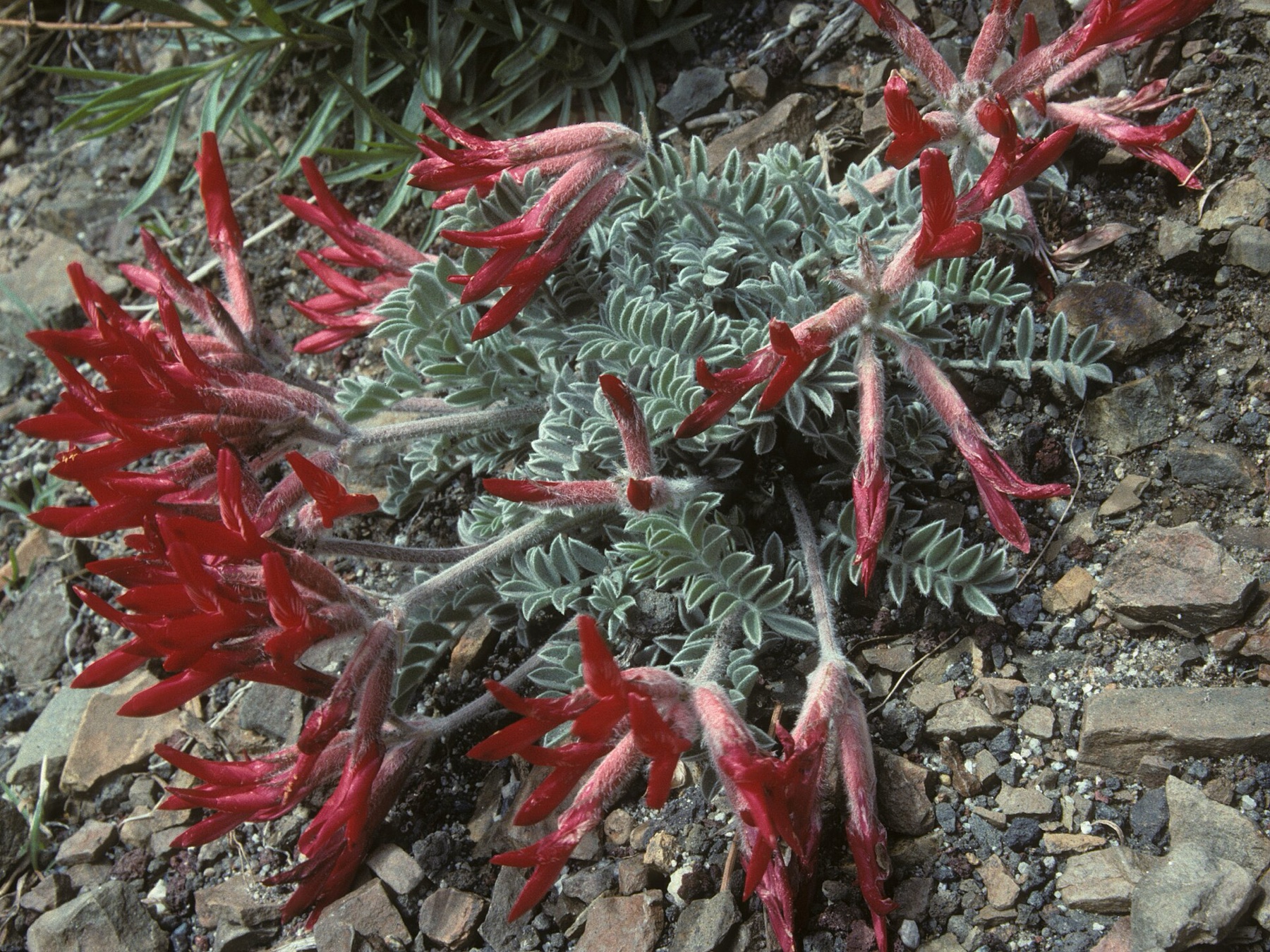
A bright dry-country paintbrush whose apparent “flowers” are mostly colorful bracts around the true flowers. It creates splashes of warm color in otherwise sparse desert scrub and often looks almost painted onto the landscape.
Wildlife & pollinators
Supports hummingbirds and pollinators drawn to bright spring color.
Habitat & range
Dry open desert and sage country of the Great Basin / Mojave transition, including the southern eastern Sierra corridor.
In the garden
Difficult in conventional cultivation because paintbrushes are partly parasitic and often need suitable neighboring host plants.
Propagation
From seed, usually with host plants nearby. Not a beginner species.
Where to see it near you
- iNaturalist — observed across California (map)
- Most likely in the dry southern reaches of the Eastern Sierra, especially around Lone Pine.