Green Ephedra
Ephedra viridis · Ephedraceae
- Form
- Shrub
- Height
- 1–4 ft
- Sun
- Full Sun
- Water
- Very Low
- Blooms
- Mar, Apr, May
- Pet toxicity
- Unknown
- Habitat
- Sagebrush Scrub · Desert · Pinyon Juniper
🌿 California native
Quick facts
- Habitat: Sagebrush Scrub, Desert, and Pinyon-Juniper Woodland
- Form / size: Jointed leafless-looking shrub, 1–4 ft
- Sun: Full sun · Water: Very low
- The tell: green broom-like stems with almost no obvious leaves
Description
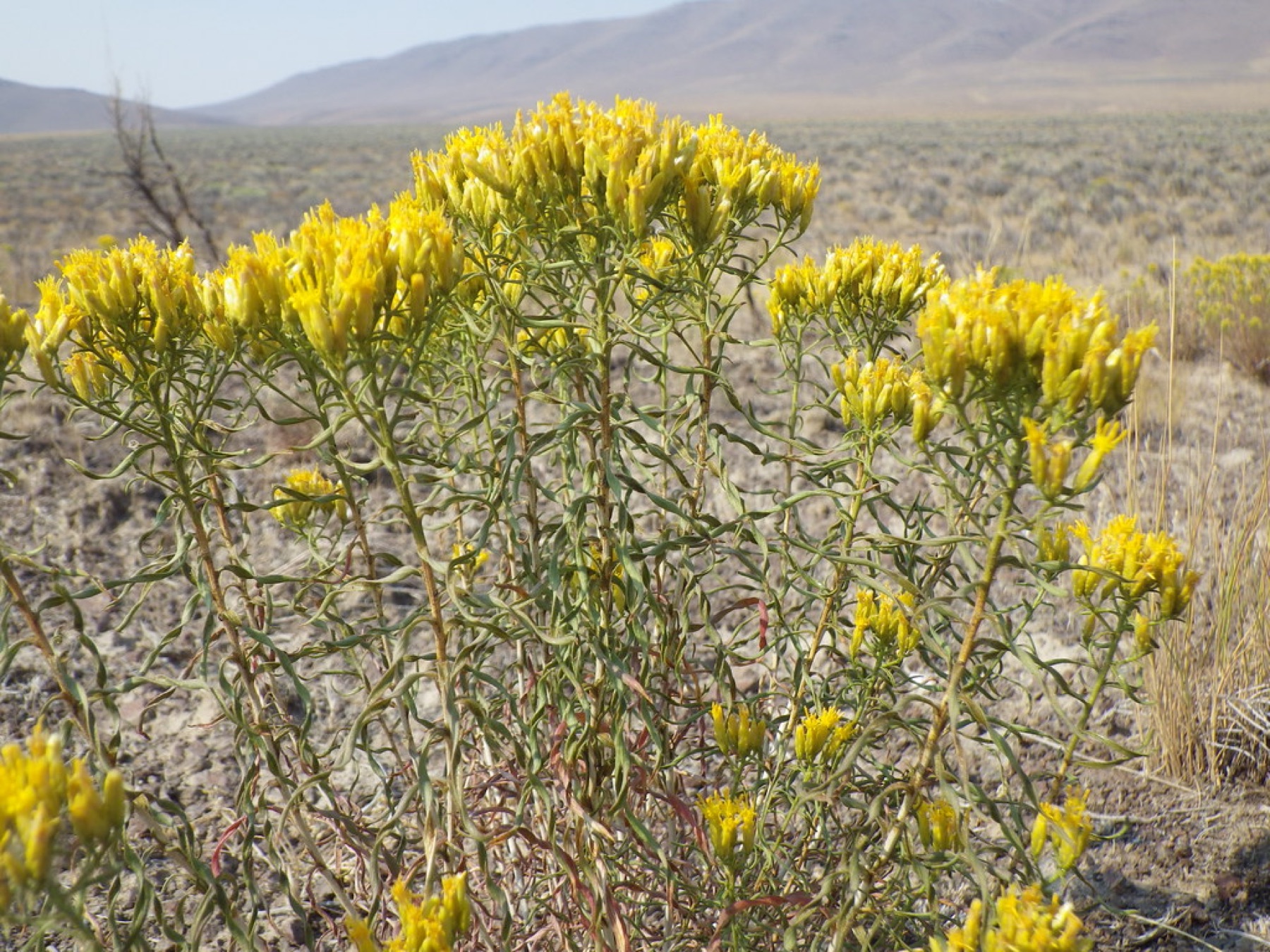
A strange, ancient-looking dryland shrub made mostly of green, jointed stems. The leaves are tiny and scale-like, so from any distance it reads as a wiry green broom or shrub skeleton that happens to be alive.
Wildlife & pollinators
Provides browse and cover in sparse dry landscapes; pollination is mostly wind-driven and visually subtle.
Habitat & range
Dry rocky slopes, washes, and high-desert scrub across the Great Basin and interior desert transition. A good marker of seriously dry country.
In the garden
More structural and botanical than lush or showy. Best in very dry native/desert plantings where its odd texture can read clearly.
Propagation
From seed or cuttings, though establishment is best in harsh, dry, mineral soils.
Where to see it near you
- iNaturalist — observed across California (map)
- Common around Bishop and the dry slopes and flats of the Eastern Sierra corridor.
Sources
Commonly confused with
🌿 jointed green stems green ephedra is told by its distinctly jointed green stems and tiny scale leaves.