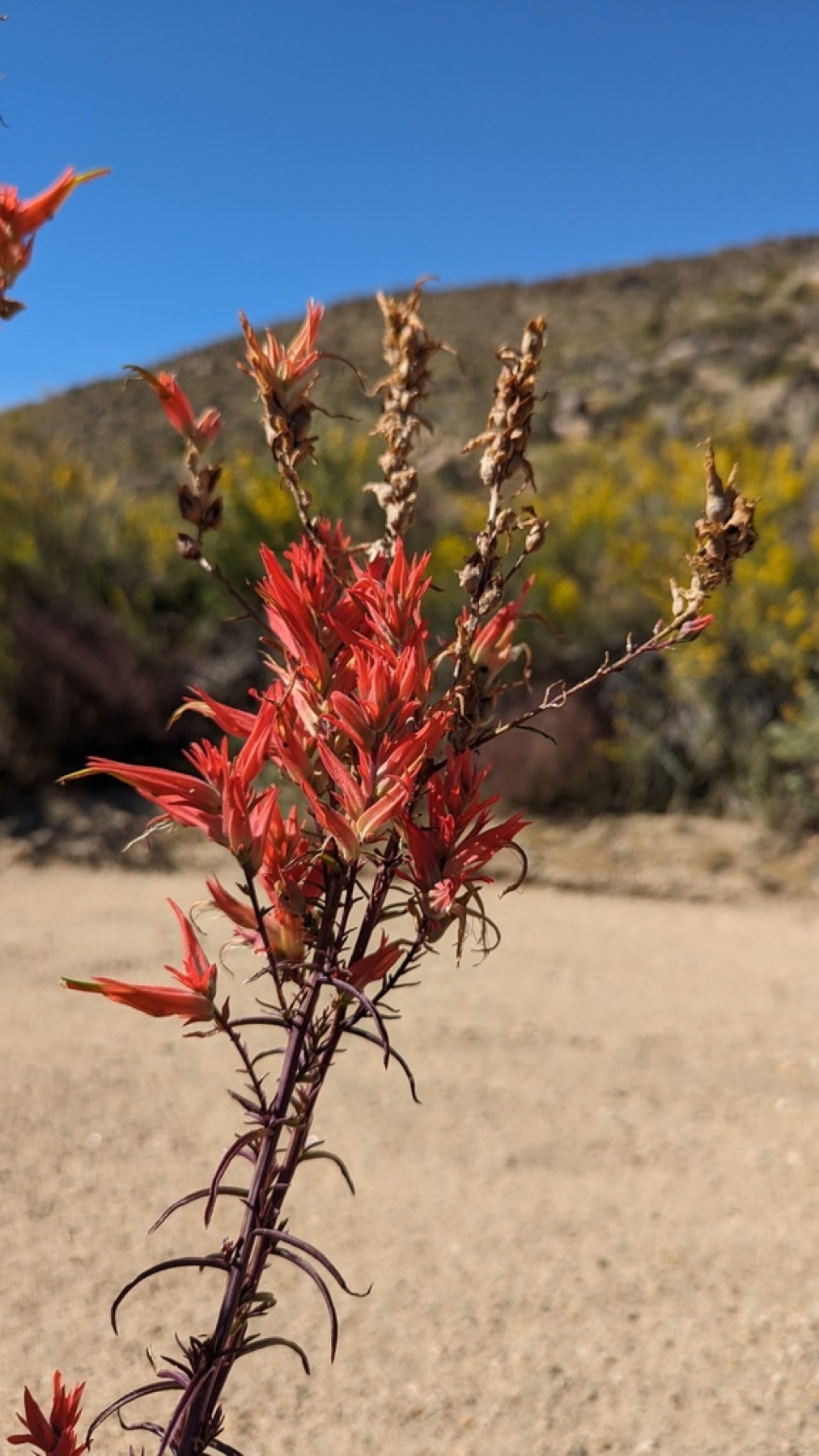
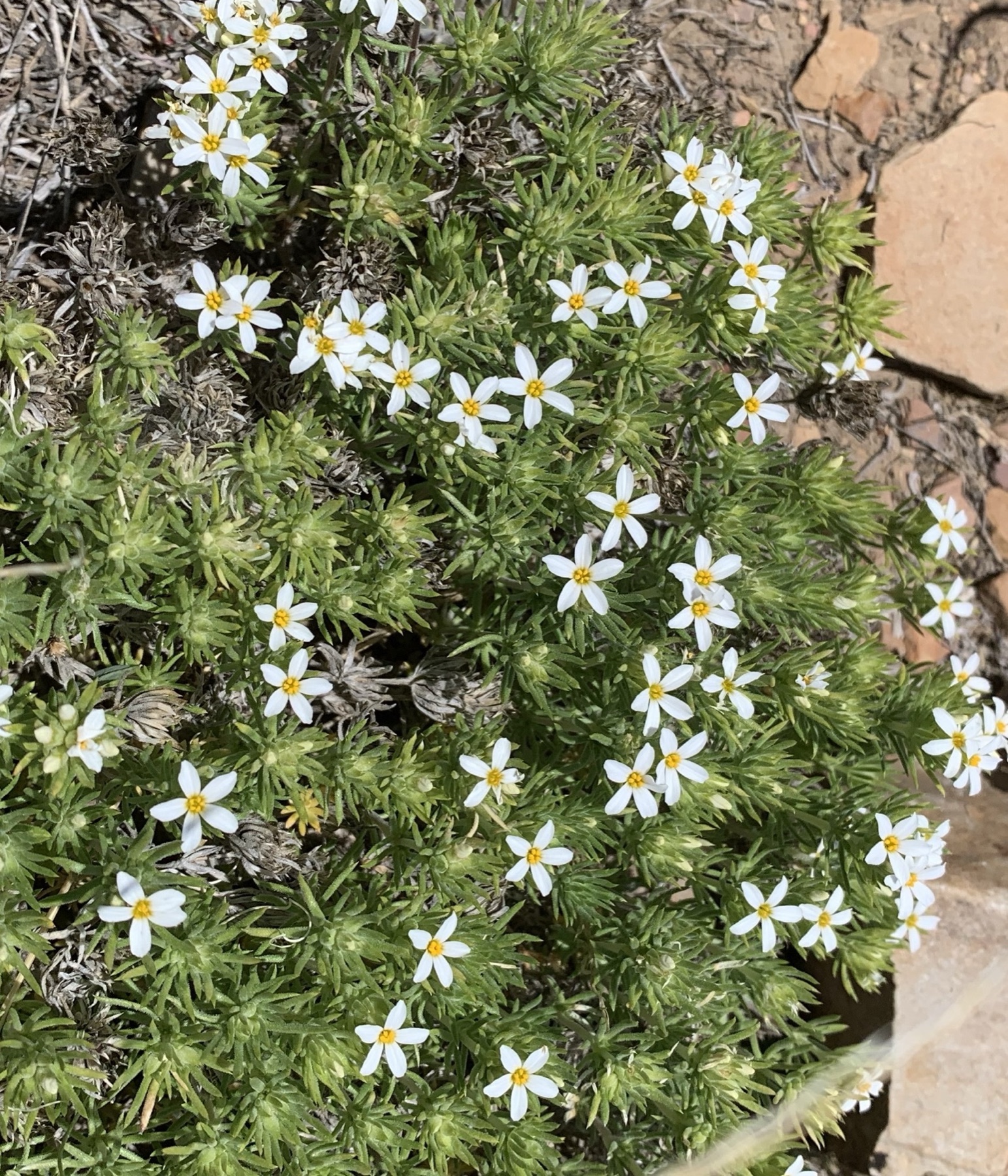
Arrowleaf Balsamroot
Balsamorhiza sagittata · Asteraceae
- Form
- Perennial
- Height
- 8–32 in
- Sun
- Full Sun
- Water
- Low
- Blooms
- Apr, May, Jun, Jul
- Habitat
- Sagebrush Scrub · Pinyon Juniper · Montane
🌿 California native
Quick facts
- Habitat: Sagebrush scrub, pinyon-juniper, and open Montane slopes (east side)
- Form / size: Silvery-leaved perennial, 8–32 in
- Sun: Full sun · Water: Low
- Blooms: Big yellow spring daisies · Pollinator value: High
Description
In spring, whole sagebrush hillsides on the east side of the Sierra turn gold with balsamroot. From a low clump of large, silvery-gray, arrowhead-shaped leaves (up to about 20 inches long and softly hairy), it throws up leafless stems each topped by a single yellow sunflower head three to four inches across. Underground is the real engine of the plant: a deep, woody, balsam-scented taproot that can reach more than two meters down. The overall effect is a silver arrow-leaved rosette scattering big yellow daisies across dry, open ground.
Indigenous & historical use
In the Great Basin and Eastern Sierra, the Northern Paiute and Shoshoni pounded the root into a poultice for wounds, sores, swellings, and insect bites, and prepared it as an eyewash. The uses are recorded in Percy Train, James Henrichs, and W. Andrew Archer’s 1941 survey, Medicinal Uses of Plants by Indian Tribes of Nevada, within the plant’s Great Basin range. The large seeds and young shoots were also eaten as food across the plant’s broader interior-West range.
Ecological role
Balsamroot is a classic co-dominant of Great Basin sagebrush country and open Jeffrey-pine and juniper understories. The deep taproot lets it ride out drought and resprout after fire, and it is a valued early-season browse for mule deer, elk, pronghorn, and bighorn sheep. Blooming before most desert forbs, it is an important early nectar and pollen source for native bees and butterflies. It is long-lived and slow to establish, so a good stand is a marker of relatively intact, undisturbed range.
Habitat & range
Dry sagebrush slopes, pinyon-juniper, and open montane ground, reaching its western limit on the east side and crest of the Sierra Nevada, roughly 3,000 to 9,300 ft. It grows in the Lake Tahoe basin (El Dorado County) and through the Mammoth Lakes and Eastern Sierra country of Mono and Inyo counties, extending out into the adjacent Great Basin.
In the garden
Best in full sun on lean, well-drained loam or clay; it sulks in sandy or over-watered beds. Very drought-tolerant once established, it wants only occasional deep water and a dry summer dormancy. A fine choice for a native meadow, sagebrush garden, or unirrigated slope alongside sagebrush, lupine, and bunchgrasses.
Propagation
From seed given about one to three months of cold-moist stratification. Sow in fall, or stratify and sow in place, because the long taproot makes transplanting difficult; direct-seeding or deep pots work best. Establishment is slow, often several years to first bloom, and the woody taproot rules out division or cuttings.
Where to see it near you
- iNaturalist — observed across California (map)
- Sagebrush slopes around Lake Tahoe and the Eastern Sierra (McGee Creek and the Mono Basin in spring).
Sources
- Calscape · iNaturalist · Wikipedia
- Indigenous use: Train, P., J.R. Henrichs & W.A. Archer, Medicinal Uses of Plants by Indian Tribes of Nevada (1941).
Commonly confused with
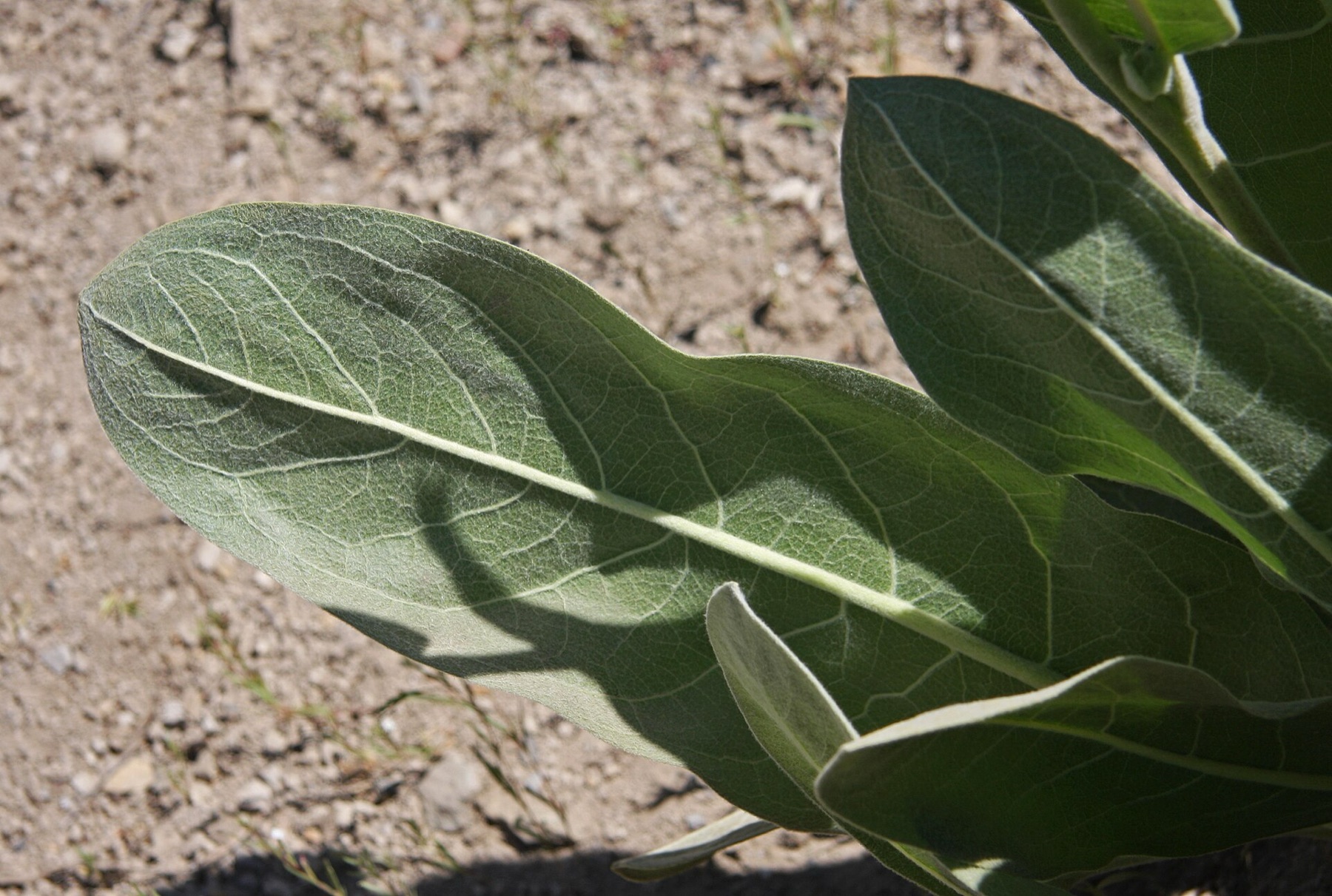 Woolly Mule's Ears 🌿 Wyethia mollis their leaves are elliptical to lance-shaped and set along the stem, not basal arrowheads, and they usually carry several heads per stem rather than one.