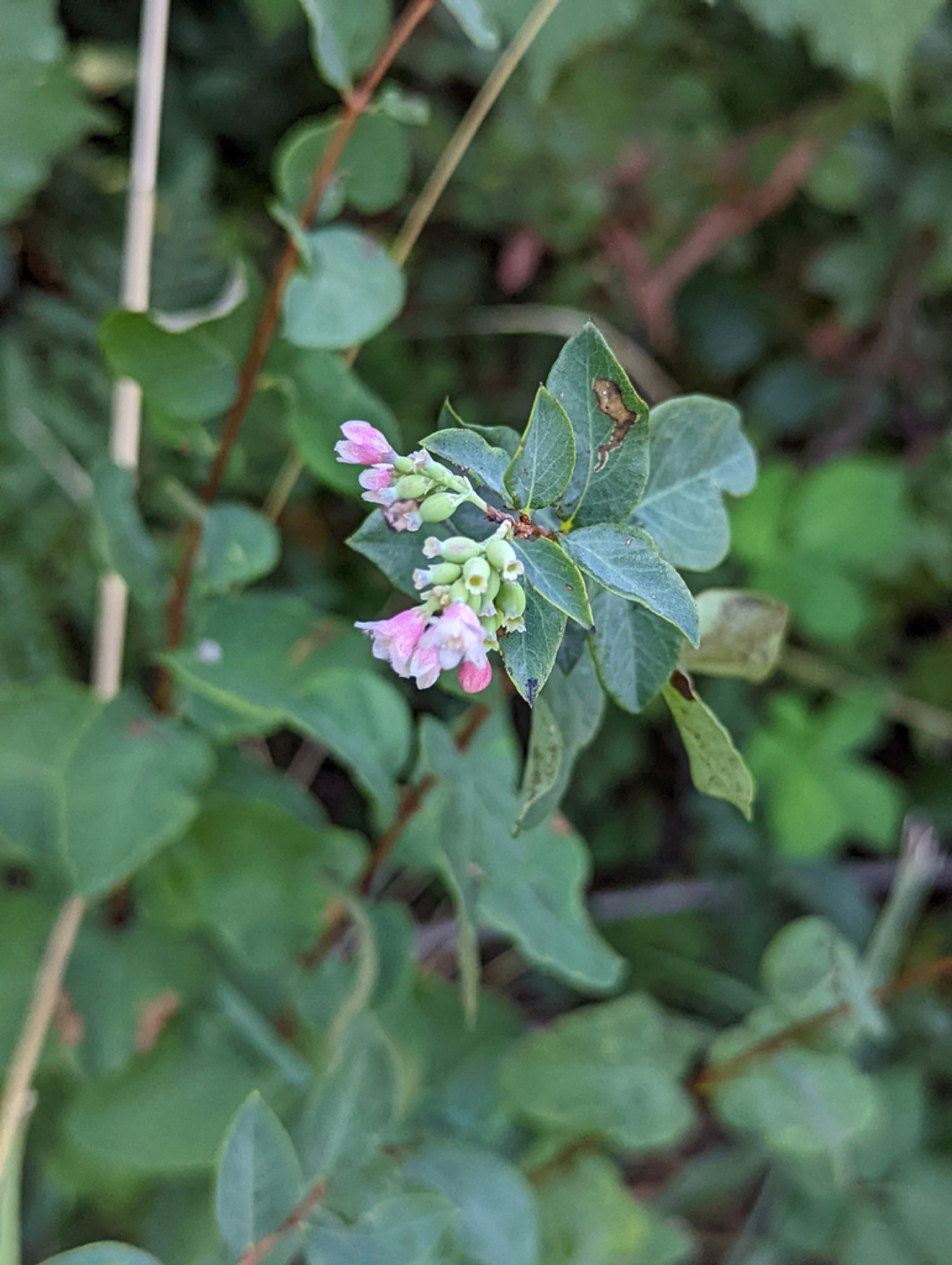
Bridges' Penstemon
Penstemon rostriflorus · Plantaginaceae
- Form
- Perennial
- Height
- 1–3 ft
- Sun
- Full Sun
- Water
- Low
- Blooms
- May, Jun, Jul
- Habitat
- Sagebrush Scrub · Pinyon Juniper · Montane
🌿 California native
Quick facts
- Habitat: Sagebrush Scrub, Pinyon-Juniper Woodland, and dry Montane edges
- Form / size: Upright perennial, 1–3 ft
- Sun: Full sun · Water: Low
- Blooms: Late spring–summer red tubes · Pollinator value: High
Description
An upright east-side penstemon with narrow leaves and clusters of warm red to orange-red tubular flowers. It has a cleaner, drier-country look than lusher mountain penstemons and reads immediately as a hummingbird plant.
Wildlife & pollinators
Strongly attractive to hummingbirds and also visited by large bees.
Habitat & range
Dry mountain slopes, sagebrush margins, and pinyon-juniper transition country of the eastern Sierra and Great Basin edge.
In the garden
Excellent for dry mountain or high-desert native gardens with sharp drainage and full sun.
Propagation
From seed or cuttings. Best in gritty, fast-draining conditions.
Where to see it near you
- iNaturalist — observed across California (map)
- Frequent along dry slopes of the Eastern Sierra corridor.
Sources
Commonly confused with
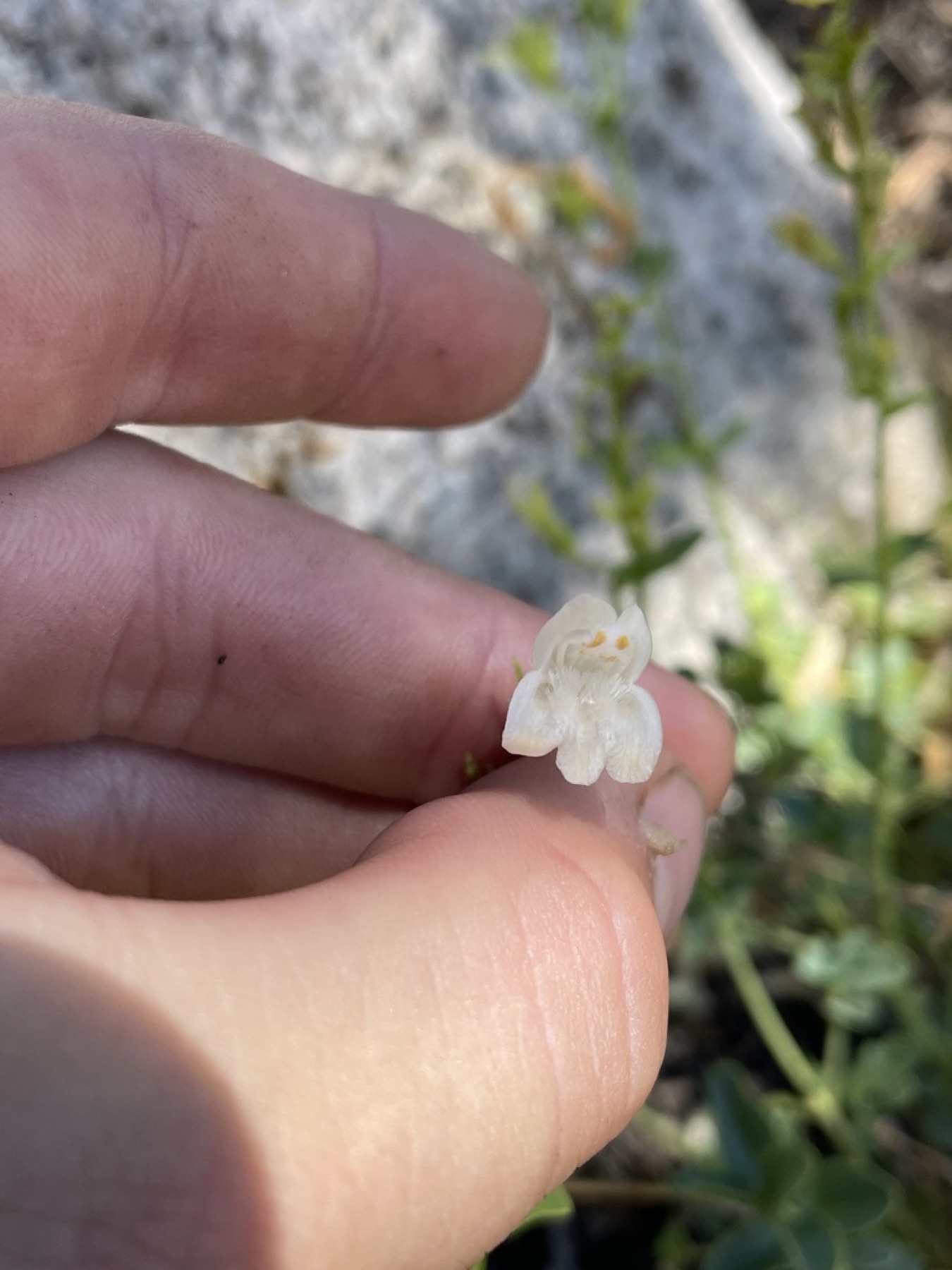 Mountain Pride 🌿 Penstemon newberryi mountain pride is lower, mat-forming, and magenta in granite country.
 🌿 Scarlet bugler / other red penstemons Bridges' penstemon belongs to colder, drier east-side shrub country.