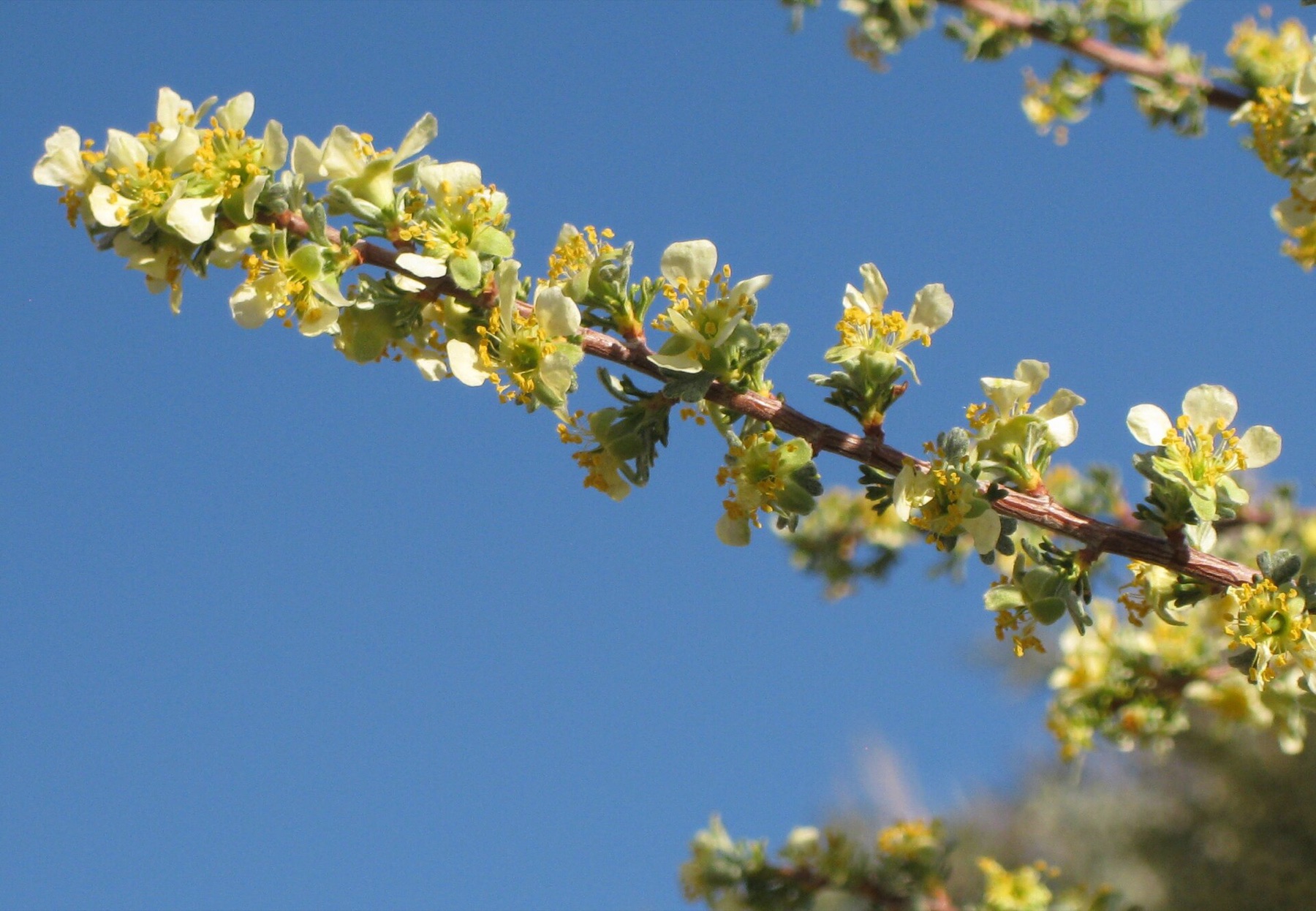
Nuttall's Linanthus
Leptosiphon nuttallii · Polemoniaceae
- Form
- Annual
- Height
- 2–10 in
- Sun
- Full Sun
- Water
- Very Low
- Blooms
- May, Jun, Jul
- Habitat
- Sagebrush Scrub · Montane
🌿 California native
Quick facts
- Habitat: Open Sagebrush Scrub and dry Montane slopes
- Form / size: Small spring annual, 2–10 in
- Sun: Full sun · Water: Very low
- Blooms: Late spring–summer · Pollinator value: Moderate
Description
A delicate little east-side annual with very fine leaves and small starry flowers, usually pale with a soft pink or lavender cast. Like other linanthus species, it can read as a haze of flowers over open sandy or gravelly ground.
Wildlife & pollinators
Useful to small native bees and other spring pollinators.
Habitat & range
Open sagebrush-steppe, gravelly flats, and dry mountain slopes of the eastern Sierra and Great Basin transition.
In the garden
Best in wildflower-style plantings or dry native gravel beds where small annuals are allowed to reseed naturally.
Propagation
From seed sown in fall or ahead of winter moisture.
Where to see it near you
- iNaturalist — observed across California (map)
- Dry open country along the Eastern Sierra corridor.
Sources
Commonly confused with
🌿 Whiskerbrush Leptosiphon ciliatus another small east-side linanthus, but whiskerbrush is typically more obviously bristly and showier at close range.