Single-leaf Pinyon
Pinus monophylla · Pinaceae
- Form
- Tree
- Height
- 15–35 ft
- Sun
- Full Sun
- Water
- Very Low
- Habitat
- Pinyon Juniper · Desert · Montane
🌿 California native
Quick facts
- Habitat: Pinyon-Juniper Woodland, high desert, and lower Montane slopes (east side of Big Bear, Eastern Sierra base)
- Form / size: Small, rounded tree, 15–35 ft
- Sun: Full sun · Water: Very low
- The tell: one stiff grey-green needle per bundle (unique among our pines)
Description
A short, rounded, slow-growing desert pine, and the only pine that carries its needles singly: one stiff, blue-grey needle per fascicle, giving the branch a bottlebrush look. It bears fat, wingless pine nuts in small, heavy cones. This is the signature tree of the open pinyon-juniper woodland, scattered across dry, rocky slopes where mountain cold meets desert dryness.
Indigenous & historical use
The seeds, called pinyon nuts (tüba or tüva), were the most important plant food across the Great Basin, and the harvest is still a living tradition for the Western Shoshone, Owens Valley Paiute, Northern Paiute, and Washoe. Families returned each fall to particular groves to knock down the cones, roast them to release the nuts, and store the crop for winter. Working in the 1930s, the anthropologist Julian Steward called pinyon “the most important single food source where it occurs” for Great Basin peoples, and found that the location of the groves shaped where people spent the winter. A good cone year is still cause for a family harvest in the Eastern Sierra today.
Ecological role
Pinyon is the keystone of its namesake woodland. The wingless, protein- and fat-rich seeds are cached by the pinyon jay, which buries far more than it recovers and so plants the next generation of trees; woodrats, chipmunks, squirrels, and black bears all take the nuts as well. Together with juniper, the tree builds a woodland that shelters and feeds a whole dry-country community, from nesting birds to the many animals that lean on the mast in a good cone year.
Habitat & range
Pinyon-juniper woodland on dry, rocky, high-desert slopes, from the desert-facing side of the San Bernardino Mountains around Big Bear north along the eastern base of the Sierra Nevada and out into the Great Basin. It is most at home where mountain cold overlaps with desert dryness, grading up into lower montane forest and down into high desert.
In the garden
A tough, characterful small evergreen for hot, dry, sharply drained mountain or desert gardens. Full sun, very low water, and a lot of patience, since it grows slowly. Use nursery-grown plants, give it room to age, and avoid rich soil or summer irrigation.
Propagation
From seed (the pine nuts). Sow fresh in deep pots, since seedlings resent transplanting; cold-moist stratification can improve germination. Slow to establish.
Where to see it near you
- iNaturalist — observed across California (map)
- Desert-facing slopes around Big Bear and the base of the Eastern Sierra.
Problems
Tough once established. Watch for root stress from summer irrigation and poor drainage, and for bark beetle pressure during drought.
Sources
- Calscape · iNaturalist · Wikipedia
- Indigenous use: Steward, J.H., Basin-Plateau Aboriginal Sociopolitical Groups (Bureau of American Ethnology Bulletin 120, 1938) · USFS FEIS — Pinus monophylla.
Commonly confused with
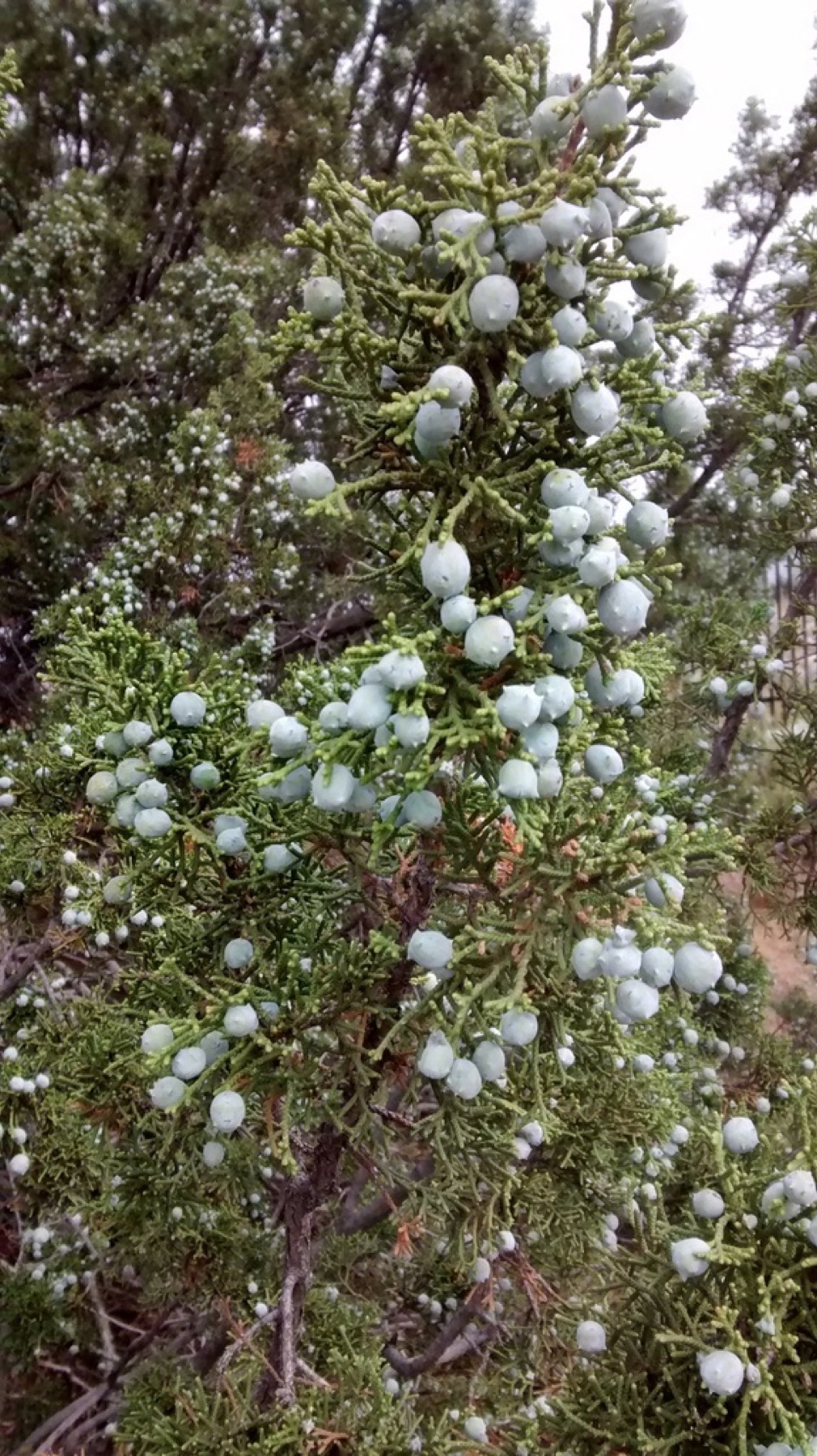
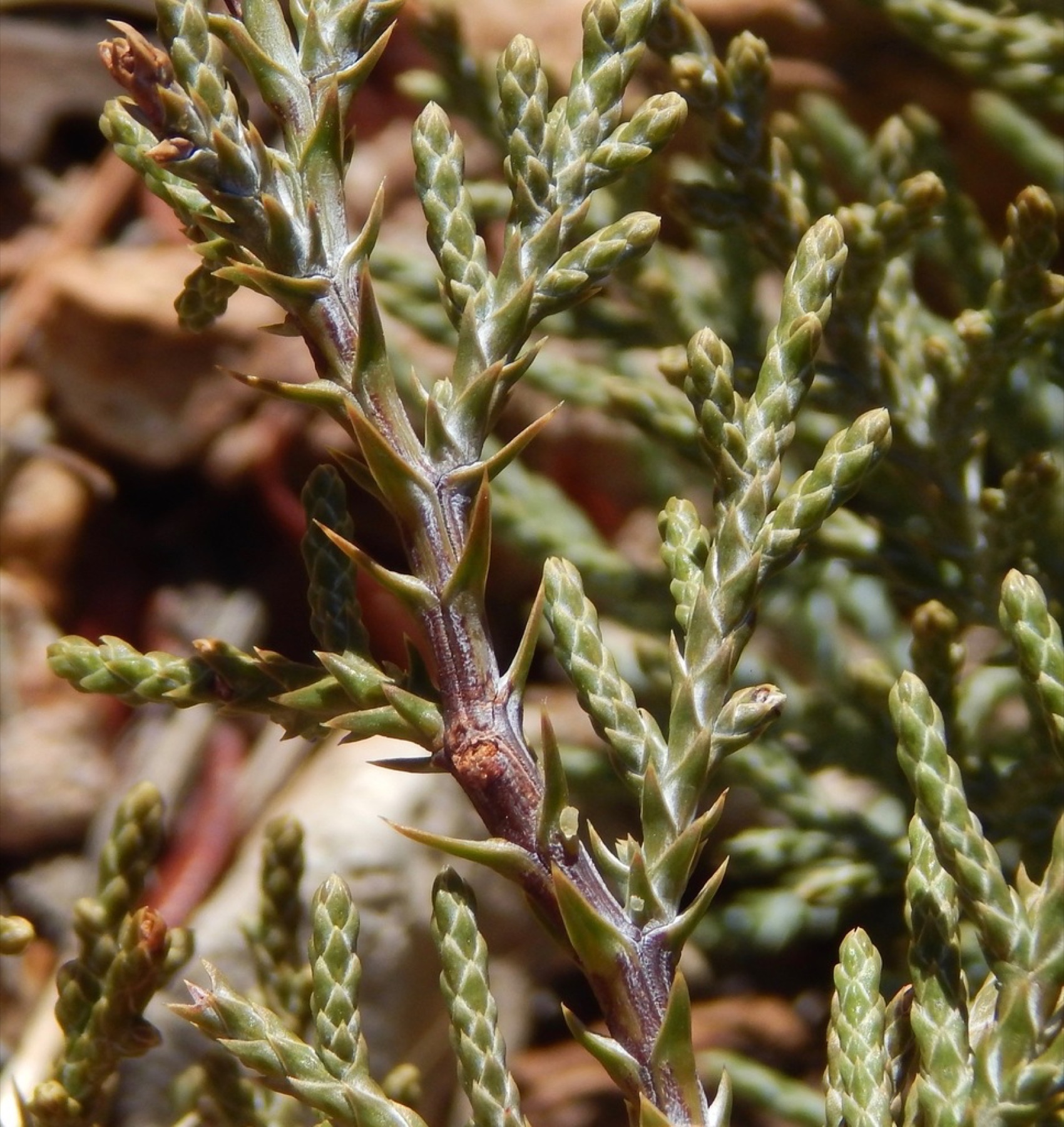 Western Juniper 🌿 Juniperus grandis shares the woodland but is a juniper, with scale-like foliage and berry-like cones rather than needles and woody cones.
 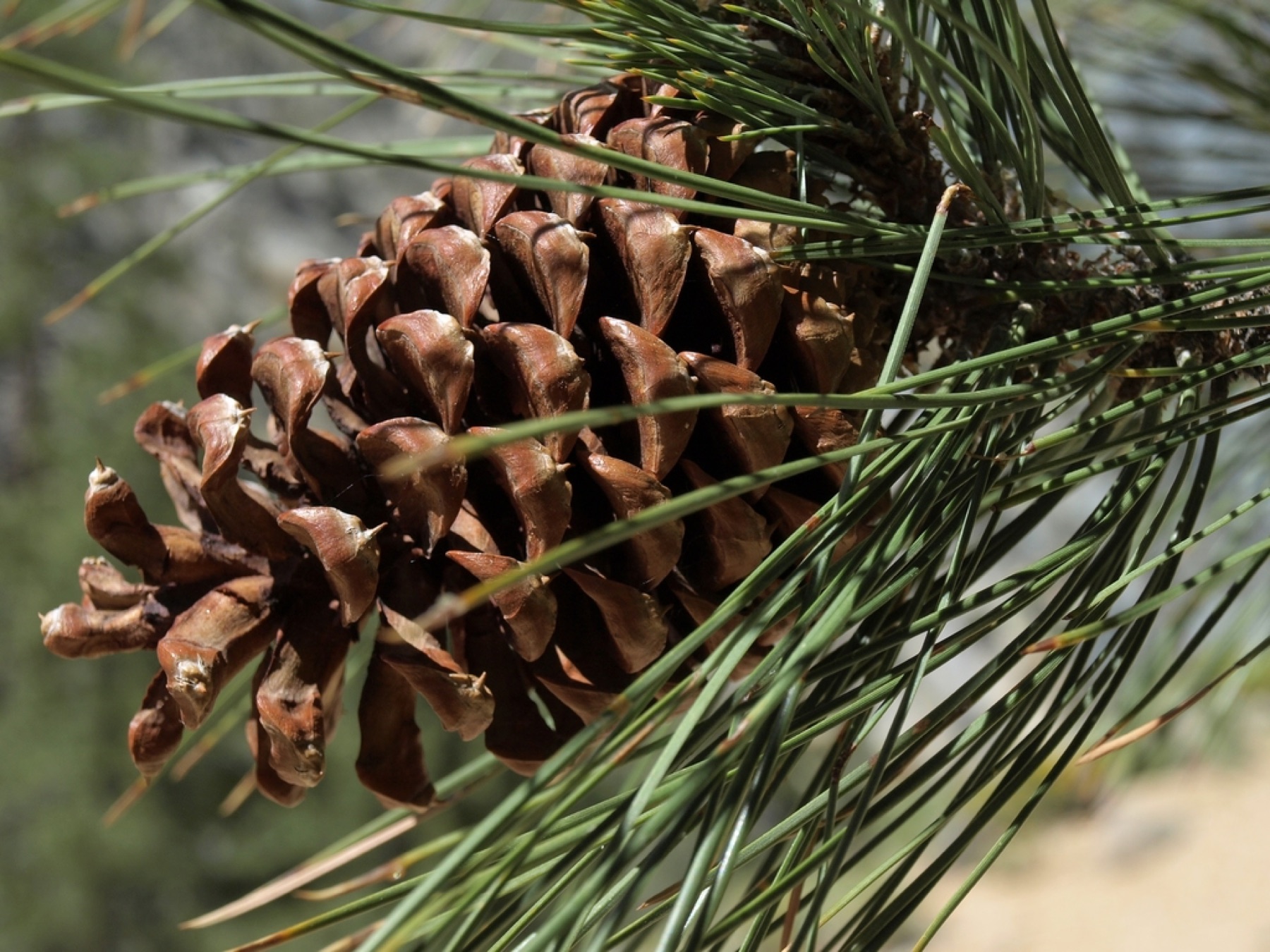 Jeffrey Pine 🌿 Pinus jeffreyi much taller, with long needles in bundles of three; single-leaf pinyon has short, single needles and a compact, rounded crown.