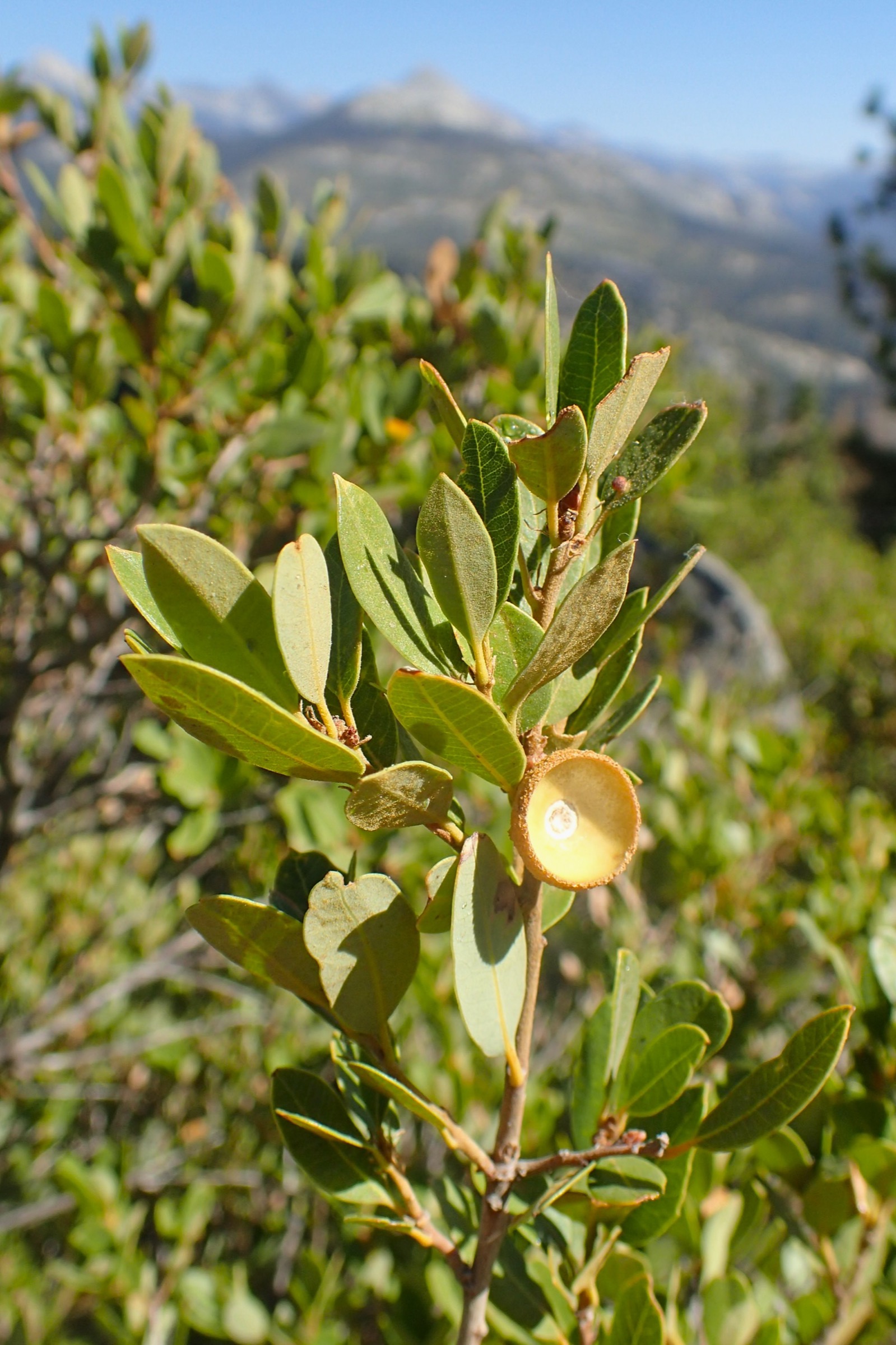
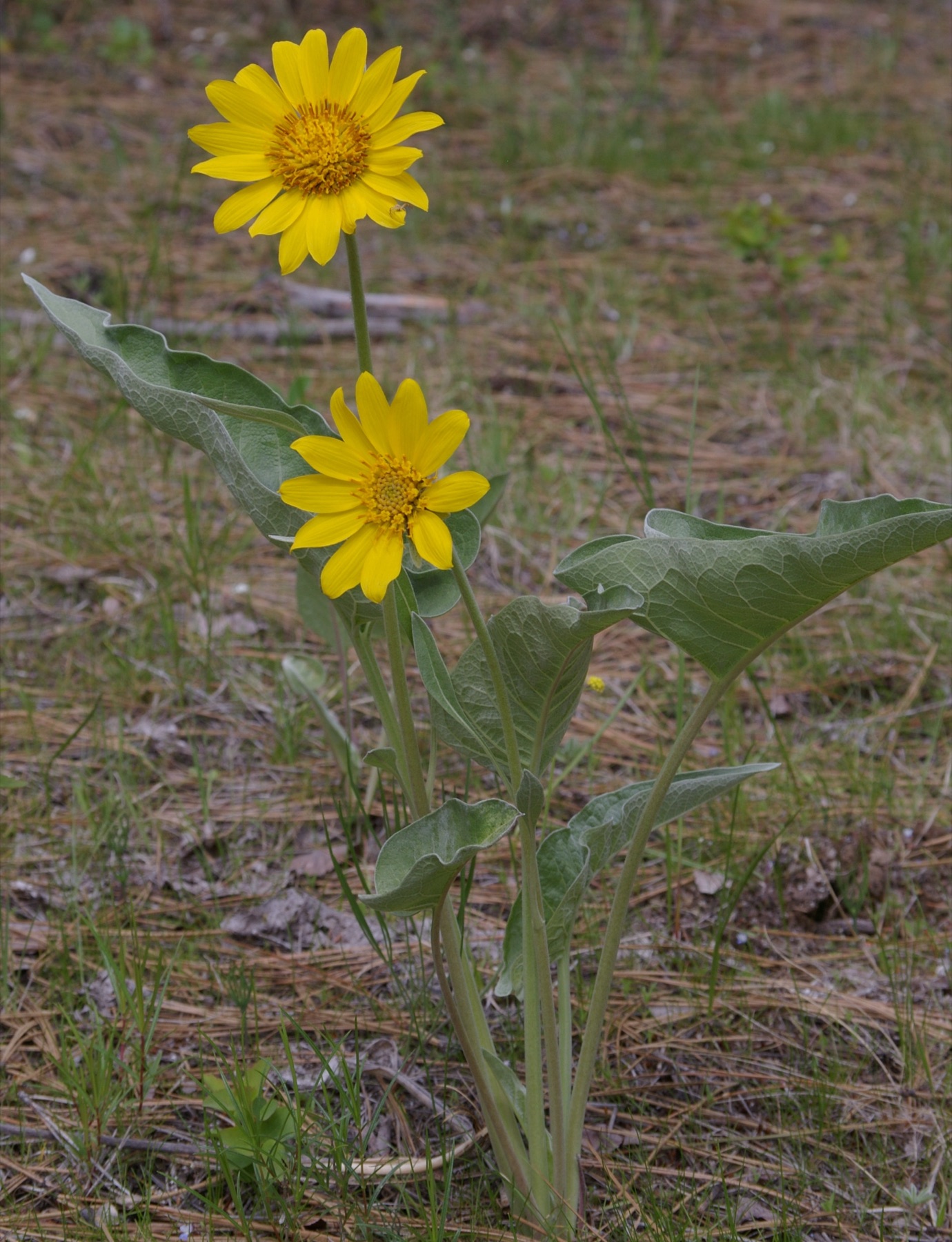
Western Juniper
Juniperus grandis · Cupressaceae
- Form
- Tree
- Height
- 15–50 ft
- Sun
- Full Sun
- Water
- Very Low
- Habitat
- Subalpine · Montane · Pinyon Juniper
🌿 California native
Quick facts
- Habitat: Subalpine granite, Montane, Pinyon-Juniper Woodland
- Form / size: Stout, gnarled tree, 15–50 ft
- Sun: Full sun · Water: Very low
- The tell: scale-like foliage + blue, berry-like cones; massive twisted trunks on granite
Description
The picturesque, often massive juniper of Sierra granite domes and high east-side slopes — squat, immensely thick trunks with shredding reddish bark, weathered into sculptural forms by wind and ice. Foliage is scale-like (not needles), and the “berries” are fleshy, waxy-blue seed cones. Some are over a thousand years old.
Wildlife & pollinators
Wind-pollinated; the blue cones feed birds and mammals, which disperse the seed.
Habitat & range
Rocky Subalpine and upper Montane slopes of the Sierra, plus Pinyon-Juniper Woodland; iconic on granite around the Eastern Sierra.
Propagation
From seed, which is slow and erratic (often needs scarification + long stratification); usually nursery-grown.
Where to see it near you
- iNaturalist — observed across California (map)
- Granite slopes of the Eastern Sierra; higher slopes around Big Bear.
In the landscape
A characterful, extremely tough evergreen for hot, dry, sharply drained sites. Full sun, very low water, very slow.
Sources
Commonly confused with
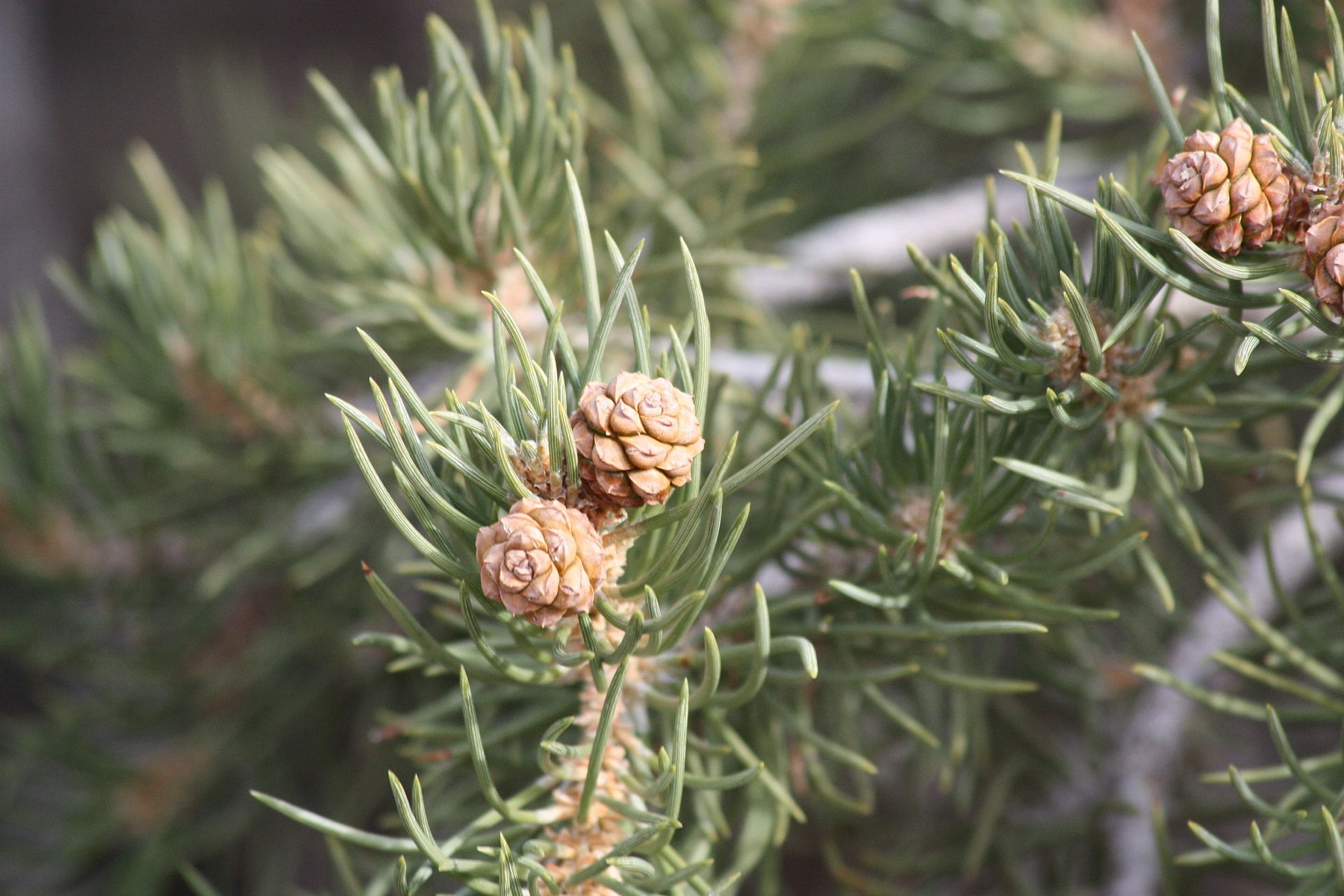 Single-leaf Pinyon 🌿 Pinus monophylla shares the woodland but is a pine (single needles, woody cones); juniper has scale foliage and berry-like cones.