Huckleberry Oak
Quercus vacciniifolia · Fagaceae
- Form
- Shrub
- Height
- 1–5 ft
- Sun
- Full Sun
- Water
- Low
🌿 California native
Quick facts
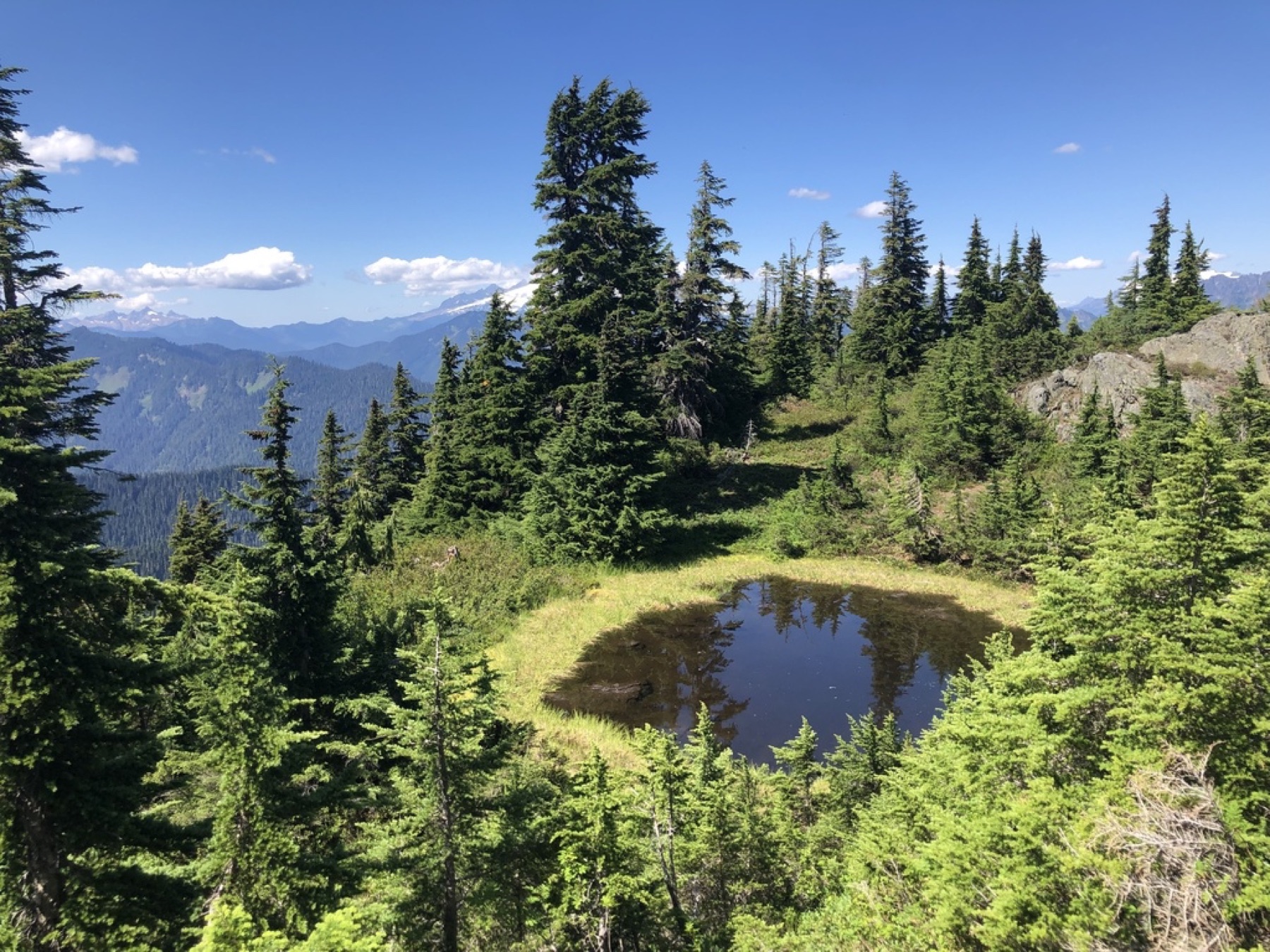
- Habitat: High rocky Montane and Subalpine slopes and ridges
- Form / size: Low sprawling shrub, 1–5 ft
- Sun: Full sun · Water: Low
- The tell: a knee-high oak that mats over granite; small, smooth-edged, huckleberry-like leaves
Description
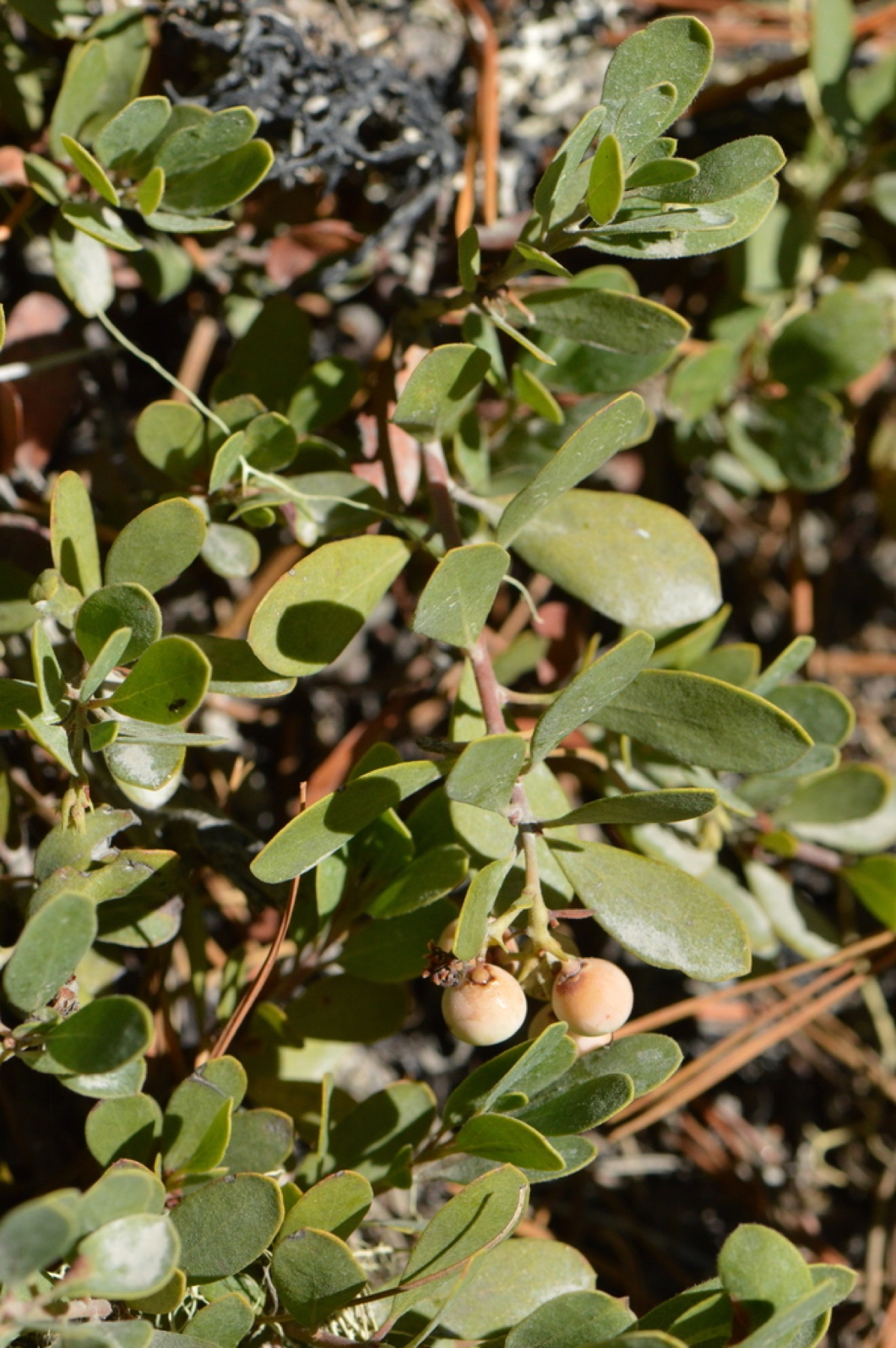
An oak that never becomes a tree. Huckleberry oak is a low, spreading evergreen shrub that mats horizontally over high-elevation rock, usually under five feet tall and often wind-flattened into a carpet. The small (half- to one-inch) leaves are oval, flat, dull gray-green, and smooth-margined, close enough to a huckleberry’s that they give the plant its name. The acorns are tiny, take two years to ripen, and have a very bitter kernel. It is one of the highest-climbing oaks in California, holding on across exposed granite where few other broadleaf plants can.
Ecological role
Huckleberry oak belongs to the golden-cup oak group and hybridizes freely with canyon live oak where the two meet in the Sierra. It is a dominant of montane and subalpine chaparral, resprouting vigorously from its root crown after fire, and its deep, dense roots make it valuable for holding steep slopes; nursery-grown plants are used in the Lake Tahoe basin for erosion control that keeps sediment out of the lake. The acorns feed black bears, mule deer, blue grouse, mountain quail, and rodents in fall, though the foliage is only fair browse.
Habitat & range
High rocky slopes and ridges of the northern and central Sierra Nevada and the southern Cascades, south to about Fresno County, roughly 3,000 to 9,600 ft. It is abundant around Lake Tahoe, where it rings the basin as a co-dominant of the montane chaparral with bush chinquapin.
In the garden
A slow-growing, long-lived groundcover or bank shrub for cold-winter mountain gardens, and an excellent erosion-control plant on slopes. It wants full sun, fast-draining sandy or rocky soil, and very little summer water once established; it does poorly in clay or in hot, low-elevation heat.
Propagation
From acorns, sown fresh in fall since they lose viability if allowed to dry, with cold-moist stratification to help. It is notoriously slow to establish, and nursery-grown seedlings (as used in Tahoe restoration) transplant more reliably than direct-sown seed.
Where to see it near you
- iNaturalist — observed across California (map)
- The montane chaparral rimming the Lake Tahoe basin and the granite ridges of the central Sierra.
Sources
Commonly confused with
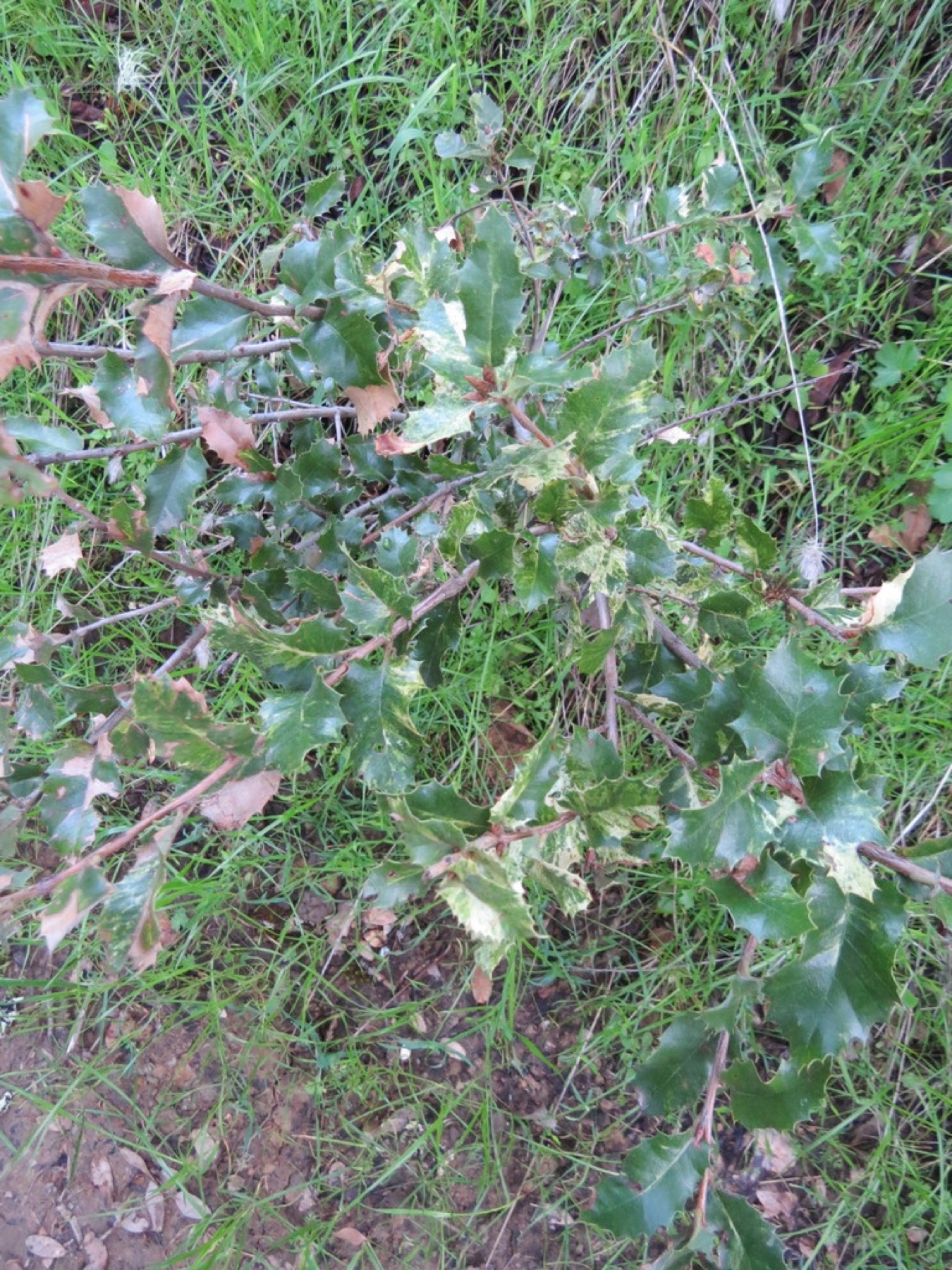 Canyon Live Oak 🌿 Quercus chrysolepis the same golden-cup group, and it hybridizes with this species, but it grows into a broad tree with larger, often spine-toothed leaves and a thick, golden-fuzzy acorn cup. Huckleberry oak stays a low sprawling shrub with small, entire leaves.
 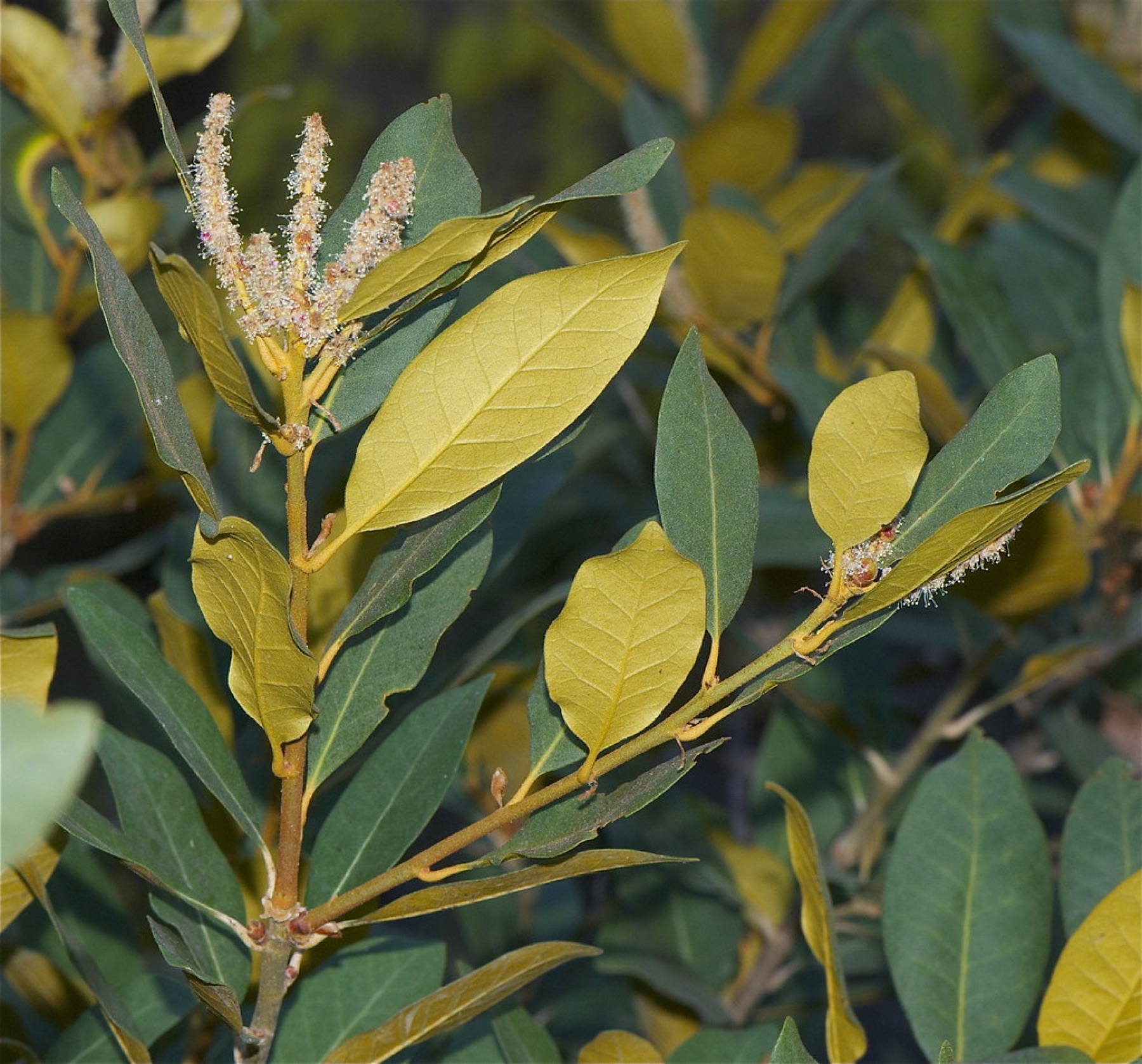 Bush Chinquapin 🌿 Chrysolepis sempervirens grows intermixed with similar small entire leaves, but its leaf undersides are gold-scaly and it makes spiny burs, not acorns.